 7132 178 St NW,
 Call us:


 Call us780-809-1056
- Mail usinfo@inspecus.ca
- Schedule An Inspection
Call us780-809-1056

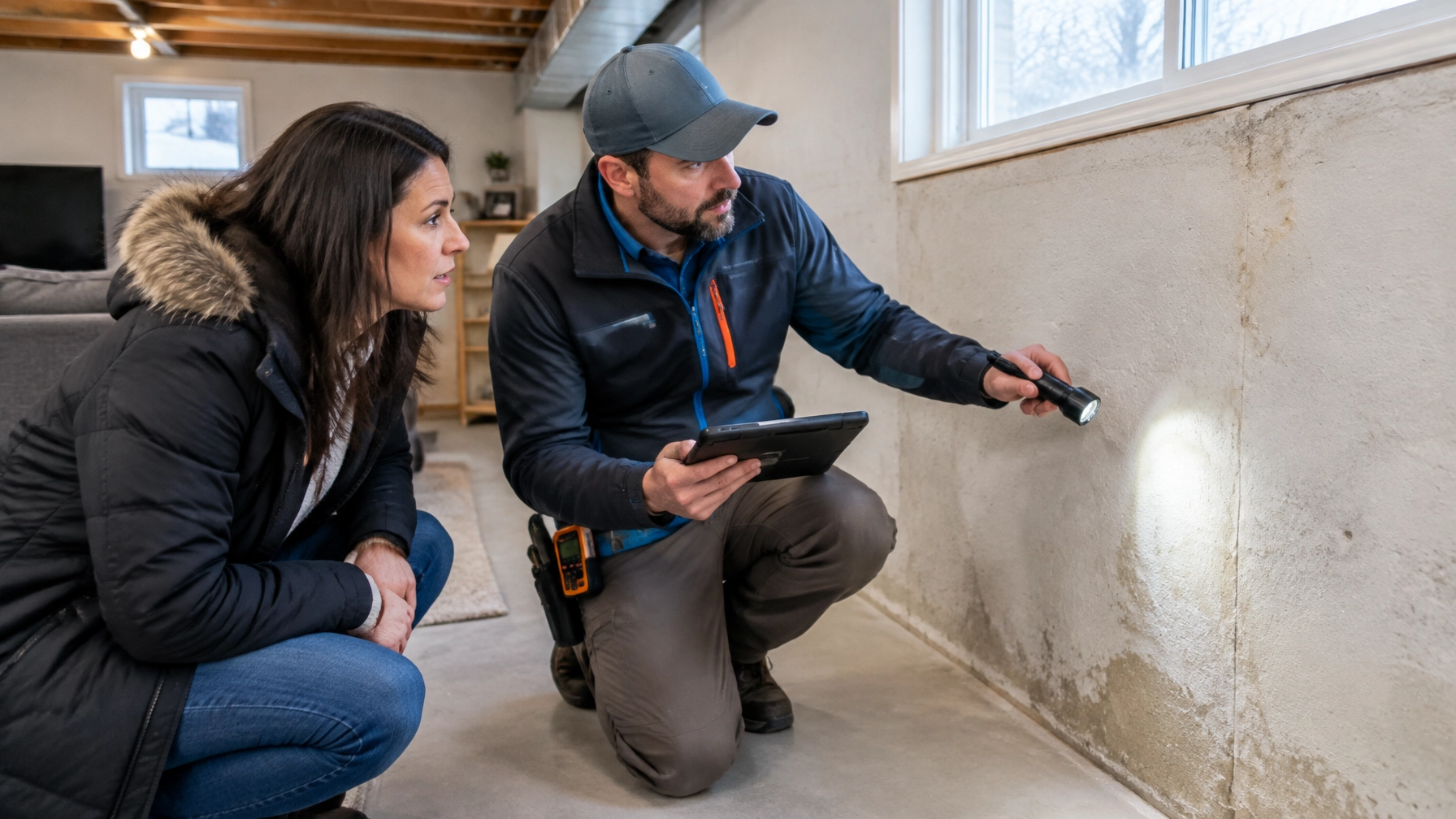
Short answer: Yes, if you can, attend your Edmonton home inspection, especially for the inspector’s explanations and final walkthrough. You’ll see findings in context, ask questions as they arise, and better understand what needs prompt attention versus routine maintenance. If you can’t be there, arrange a report review and follow-up conversation.
Meta description: Should you attend your Edmonton home inspection? Learn what happens, what to bring, winter limits, questions to ask, and what to do if you can't attend.
Are you wondering whether being there will make a real difference? In my experience, it can make the inspection report much easier to understand. A photo and a written note are useful, but seeing a finding in place gives you more context.
When you attend, you can:
Clients who attend often tell me the finding makes more sense in person than it did when they first read it in the report. That context can help you decide what to discuss with your real estate professional and what questions to ask next.
“My job is to describe what I can observe, explain why it matters, and help you understand your options. I don’t make the buying decision for you. That decision should be based on your priorities and the information available.”- Banti K Shaw
If you’re preparing for a purchase, learn more about our pre-purchase home inspection in Edmonton.
What should you expect when you arrive? For many homes, plan for roughly 2.5 to 3 hours for the inspection and walkthrough. The property’s size, age, layout, condition, and accessibility can affect the time.
A typical visit may move through the home in a practical sequence:

Could snow affect what the inspector can see? Yes. In fall and winter, snow or ice may cover roof surfaces, roof edges, exterior foundation areas, window wells, and sections of the yard. Frozen ground can also limit assessment of grading and drainage. An inspector should note areas that couldn’t be observed rather than treat them as satisfactory.
For safety, a snow-covered or icy roof may not be walked. The inspector may assess visible roof areas from the ground or other safe vantage points. If attic access is blocked or unsafe, that limitation should also be documented.
A winter inspection can still provide valuable information about accessible components and observed conditions. If important areas are concealed, ask whether a follow-up after the thaw or a specialist assessment would help. The City of Edmonton’s lot grading guidance explains why drainage around a home matters; snow-covered ground can make current slopes and water flow harder to assess.
Would a little preparation make the visit easier? Yes. Dress for a working walkthrough: you may be moving between rooms, going into a basement, or standing outside in chilly weather.
Bring:
You don’t need to bring tools or climb into restricted areas. Follow the inspector’s safety instructions and avoid handling electrical equipment, opening panels, or entering spaces that the inspector has identified as unsafe or inaccessible.
Pro tip: Ask the seller or your agent ahead of time whether utilities will be on and whether the inspector can access the attic hatch, electrical panel, mechanical room, and basement. Clear access can make the visit more useful.
What will help you get the most from the walkthrough? Ask open, practical questions about what was observed and what remains uncertain:
Ask about additional services if relevant, too. A standard visual inspection does not automatically include a sewer camera inspection. If you want the drain line assessed, ask whether a sewer scope inspection in Edmonton is appropriate for the property.

Are you expecting the inspection to uncover every hidden defect? A home inspection is a visual assessment of accessible components. It can report on conditions observed at the time, but it is not an exhaustive investigation of concealed areas or a guarantee of future performance.
For example, a visual inspection can describe visible foundation conditions, accessible roof areas, or an observed system’s operation. It generally cannot confirm the condition of materials hidden behind finished walls, predict exactly how long a component will last, or establish the cause of every symptom. A sewer line’s interior condition also requires a separate scope service.
The InterNACHI Standards of Practice explain the scope and limitations of a home inspection. Ask your inspector what their agreement covers and how inaccessible or seasonal limitations will be identified. You can also review the Alberta government’s home inspection information.
Can you still get value from the inspection if you’re out of town or unavailable? Absolutely. Let the inspector know before the appointment and arrange a clear way to go over the findings.
You can:
A written report is important whether or not you attend. If you want to understand the inspection scope in advance, see our certified home inspection services in Edmonton.
Does the inspector tell you whether to buy the home? No. My role is to report observed conditions and explain their significance and limitations. Your purchase decision belongs to you, made with the advice of your real estate professional and any specialists you choose to consult.
Attending also doesn’t mean you should expect every issue to be visible. Snow, stored belongings, locked areas, and concealed construction can limit what’s observable. And while it’s helpful to ask questions, the inspection is not a repair estimate, code-compliance certification, or substitute for specialist assessment when one is recommended.
Does attending cost more? Usually, attendance itself does not add a separate charge. Confirm the inspection terms and any optional services with your provider.
Can I bring my agent or a contractor? Ask your inspector in advance. A real estate professional may be helpful; a contractor’s assessment is separate and should be arranged when appropriate.
Can family come? Check with the inspector first. A small group is generally easier to accommodate and less distracting during a technical walkthrough.
How long does it take? A typical Edmonton home inspection and buyer walkthrough takes about 2.5 to 3 hours, depending on the home and access.
Do I need to attend the whole time? No. If your schedule is tight, try to attend the summary and final walkthrough, and plan to review the report afterward.
What if I live out of town? Ask about a phone or video walkthrough and review the written report carefully. You can follow up with questions after you receive it.
If you can attend, I recommend it. You’ll have the chance to connect the report to the home, ask questions, and understand any seasonal or access limitations. If you can’t make it, a detailed report review and follow-up conversation are practical alternatives.
To discuss your purchase inspection or ask what to expect on the day, you can explore InspecUs home inspection services in Edmonton.
We are licensed by the Licensed Professional and certified through InterNACHI

InspecUs Home Inspection is certified in the best practices established by Internachi. Our commitment to safety includes maintaining a 6-foot distance and using personal protective equipment (PPE) during all inspections.

© 2024 InspecUs - All Rights Reserved. | Sitemap | Developed by Integrated Marketing Platform Inc.