 7132 178 St NW,
 Call us:


 Call us780-809-1056
- Mail usinfo@inspecus.ca
- Schedule An Inspection
Call us780-809-1056

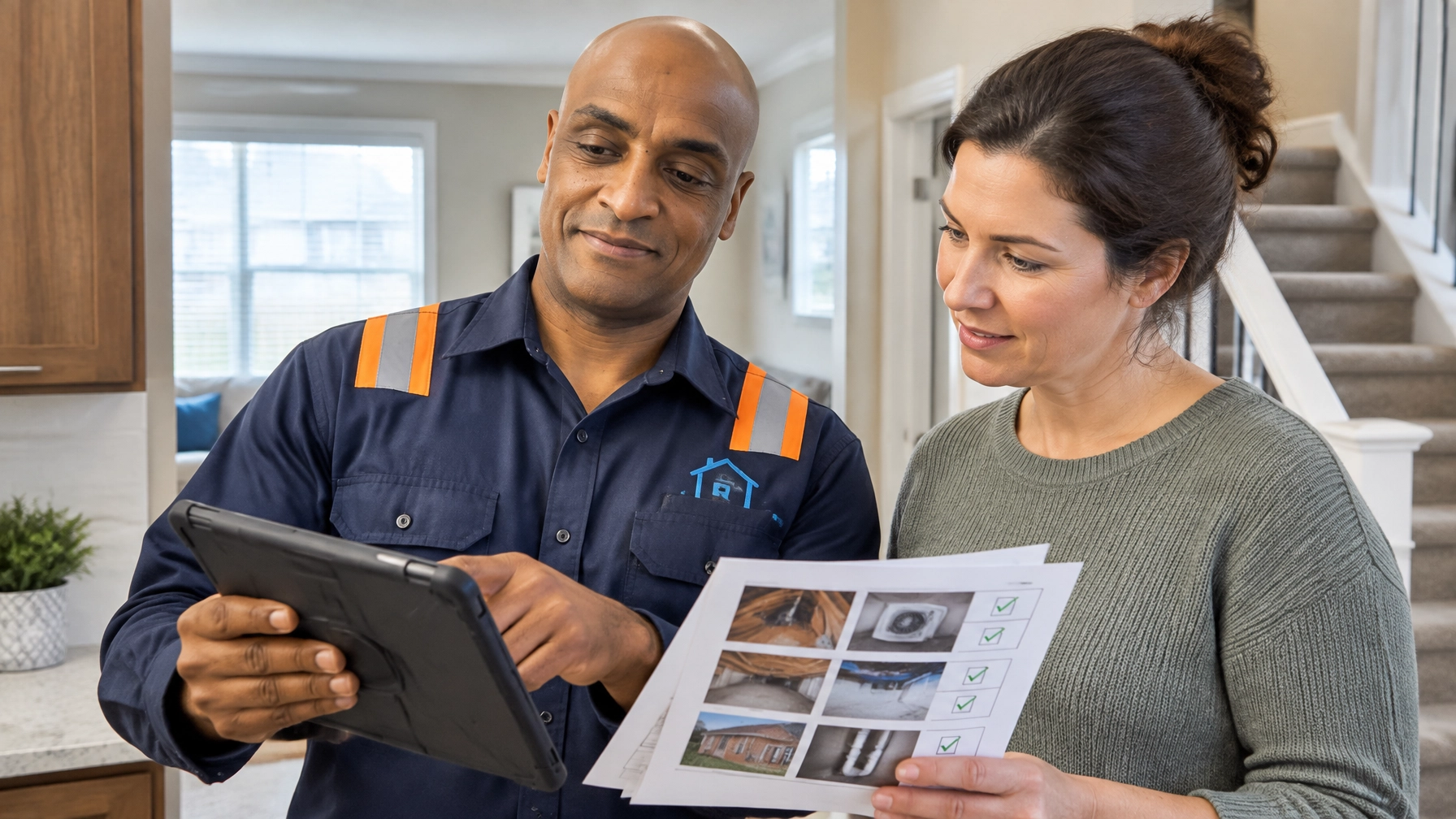
Direct answer: Edmonton buyers commonly book too late, choose an inspector on price, skip the walkthrough and important add-ons, misunderstand report limitations, treat every finding as urgent, or waive the inspection condition. An independent inspection booked early helps you understand risks, protect deadlines, and decide confidently.
Meta description: Learn the seven costly home inspection Edmonton mistakes buyers make, from missed deadlines to waived inspections, and practical ways to protect your purchase.
Buying a home in Edmonton is a major financial decision. Your inspection is one of the most valuable opportunities you have to understand the property before you remove conditions, but only if you use that opportunity properly.
I’m Banti K Shaw, owner of InspecUs. With more than 10 years of inspection and construction experience, I have seen how small misunderstandings can lead to expensive surprises. These are the seven mistakes I most often encourage Edmonton buyers to avoid.
Observable symptom: You have only a day or two left to complete the inspection, receive the report, investigate major concerns and make a decision.
Underlying cause: Edmonton condition periods can be tight. Buyers sometimes wait until the end of the period to schedule, without considering the time needed for specialist opinions, repair estimates or written notices under the purchase contract.
At InspecUs, we work to deliver a detailed, photo-documented report within 24 hours. However, you still need enough time to read it and act. Your inspection should be booked immediately after your offer is accepted, not just before the deadline.
“I want buyers to have time to understand their report, not feel pressured into making a six-figure decision late at night. The inspection is most useful when it creates room for informed choices.”
Pro tip: Ask your realtor or lawyer to confirm the exact condition deadline, including when notice must be delivered. Book your pre-purchase home inspection in Edmonton early and leave several days for follow-up.
Next step: If you have just made an offer, request an inspection quote as soon as possible.
Observable symptom: The inspection fee looks attractive, but you cannot clearly confirm the inspector’s Alberta licence, insurance, experience, inspection scope or report quality.
Underlying cause: Price is easy to compare, while competence is harder to evaluate. A lower fee may reflect a shorter inspection, a narrower scope, less detailed reporting or limited experience with Edmonton homes.
In Alberta, buyers should verify both the individual Home Inspector licence and the associated Home Inspection Business licence. You can review the requirements on the Alberta home inspector licence page. InterNACHI certification is also valuable for education, standards and professional development, but it does not replace Alberta licensing.
Look for:
Pro tip: Ask for a sample report before booking. You should be able to see how the inspector explains risk, limitations, photos and recommended next steps.
Next step: Compare qualifications and scope, not just the advertised price, before selecting your home inspector.
Observable symptom: You receive a long report but do not understand what the inspector saw, which findings matter most or how the home’s systems operate.
Underlying cause: Some buyers assume the inspection is simply a service they order and a PDF they receive. In reality, attending the inspection gives you an opportunity to ask questions, see conditions directly and learn about maintenance.
A typical inspection of an average detached home may take two to three hours, depending on size, age, access and complexity. At InspecUs, we encourage buyers to attend the inspection or, at minimum, join the final walkthrough.
We examine more than 100 items in our reports, including accessible structure, roof components, attic areas, electrical, plumbing, heating, ventilation, interiors and safety concerns. We also explain what could not be inspected.

Pro tip: Bring questions about:
Read our guide on what to expect at a property inspection before your appointment.
Next step: Attend when possible, wear practical clothing and treat the inspection as an educational opportunity, not just a pass-or-fail test.
Observable symptom: The standard inspection identifies a concern, but you do not have enough information to understand the hidden condition behind it.
Underlying cause: A standard home inspection is primarily a visual, non-invasive assessment. It does not automatically include every specialized test. Edmonton’s climate, soil conditions, older housing stock and mature trees can make certain add-ons especially useful.
Depending on the property, consider:
You can review InspecUs sewer scope inspection services, radon testing information and thermal imaging and moisture detection.
Pro tip: Do not automatically order every add-on. Choose based on the home’s age, location, visible symptoms, renovation history and your risk tolerance.
Next step: Ask your inspector which specialized services are appropriate before the inspection date.
Observable symptom: You panic over a report item that was never included in the inspection, or assume that a clean summary means every part of the home was evaluated.
Underlying cause: Buyers often read the summary first and stop there. The limitations section explains what was inaccessible, concealed, unsafe, disconnected, seasonal or outside the inspection scope.
A home inspection is not:
For example, an inspector may report that a roof area was not fully visible because of snow, unsafe access or stored belongings. That does not automatically mean the roof is defective, but it does mean further evaluation may be appropriate.
Pro tip: Read the report in this order:
Next step: If a finding worries you, ask your inspector what was observed, what was not tested and whether a qualified specialist should investigate further.
Observable symptom: You focus on scratched flooring or a loose handle while overlooking an active leak, unsafe electrical condition or failing heating system.
Underlying cause: Inspection reports can contain many observations. Not every observation has the same urgency, cost or safety impact.
I recommend prioritising findings in this order:
“My job is not to make you afraid of every defect. My job is to help you understand which findings could affect safety, damage or long-term ownership costs.”

Pro tip: For significant findings, obtain specialist opinions and realistic repair estimates. Use the report to support a decision, not to demand that every maintenance item be repaired before possession.
Next step: Discuss priorities with your realtor, contractor or lawyer before negotiating repairs or credits.
Observable symptom: You feel pressure to make your offer more competitive, or you assume a seller’s pre-listing inspection eliminates the need for your own.
Underlying cause: In a competitive market, buyers may believe an inspection condition will weaken their offer. Others assume a seller’s report is sufficient. But a seller’s report was commissioned for the seller’s transaction and may not answer your specific questions, concerns or risk priorities.
Waiving an inspection condition can remove an important opportunity to identify costly or hazardous issues before you are committed. Your legal rights depend on the wording of your signed offer, so review the contract with your realtor or lawyer before waiving any condition.
A seller’s report can be useful background information, but it should not replace an independent inspection commissioned by you. At InspecUs, our reporting is unbiased and independent, with no third-party influence from sellers, agents, contractors or repair companies.
Pro tip: If you receive a pre-listing report, give it to your independent inspector. We can consider relevant information while still examining the property ourselves.
Next step: Protect your decision-making process by arranging an independent pre-purchase inspection whenever the contract and timing allow.
Possibly, but it depends on the conditions and wording in your signed purchase contract. You may be able to proceed, negotiate, request repairs or withdraw if the inspection condition remains active. Ask your realtor or lawyer before taking action.
You are not automatically entitled to every repair. You can negotiate repairs, a price adjustment or a credit, or decide whether the property still makes financial sense for you. Your inspector can help explain the condition; your realtor or lawyer can advise on negotiation and contract rights.
InspecUs aims to provide detailed, photo-documented reports within 24 hours. The on-site inspection itself commonly takes two to three hours for an average detached home, although larger or more complex properties may take longer.
A home inspection is generally not legally required for every purchase, but it is a highly valuable due-diligence step. Whether to include or waive an inspection condition is a contractual decision that should be made with professional advice.
A home inspection cannot eliminate every uncertainty, but it can help you understand the property before you commit. Book early, verify licensing and experience, attend the inspection, choose relevant add-ons, read the limitations and prioritise risks logically.
If you would like to discuss your property, contact InspecUs at 780-809-1056 or info@inspecus.ca. You can also request a quote online, with no pressure and no obligation.
We are licensed by the Licensed Professional and certified through InterNACHI

InspecUs Home Inspection is certified in the best practices established by Internachi. Our commitment to safety includes maintaining a 6-foot distance and using personal protective equipment (PPE) during all inspections.

© 2024 InspecUs - All Rights Reserved. | Sitemap | Developed by Integrated Marketing Platform Inc.