 7132 178 St NW,
 Call us:


 Call us780-809-1056
- Mail usinfo@inspecus.ca
- Schedule An Inspection
Call us780-809-1056

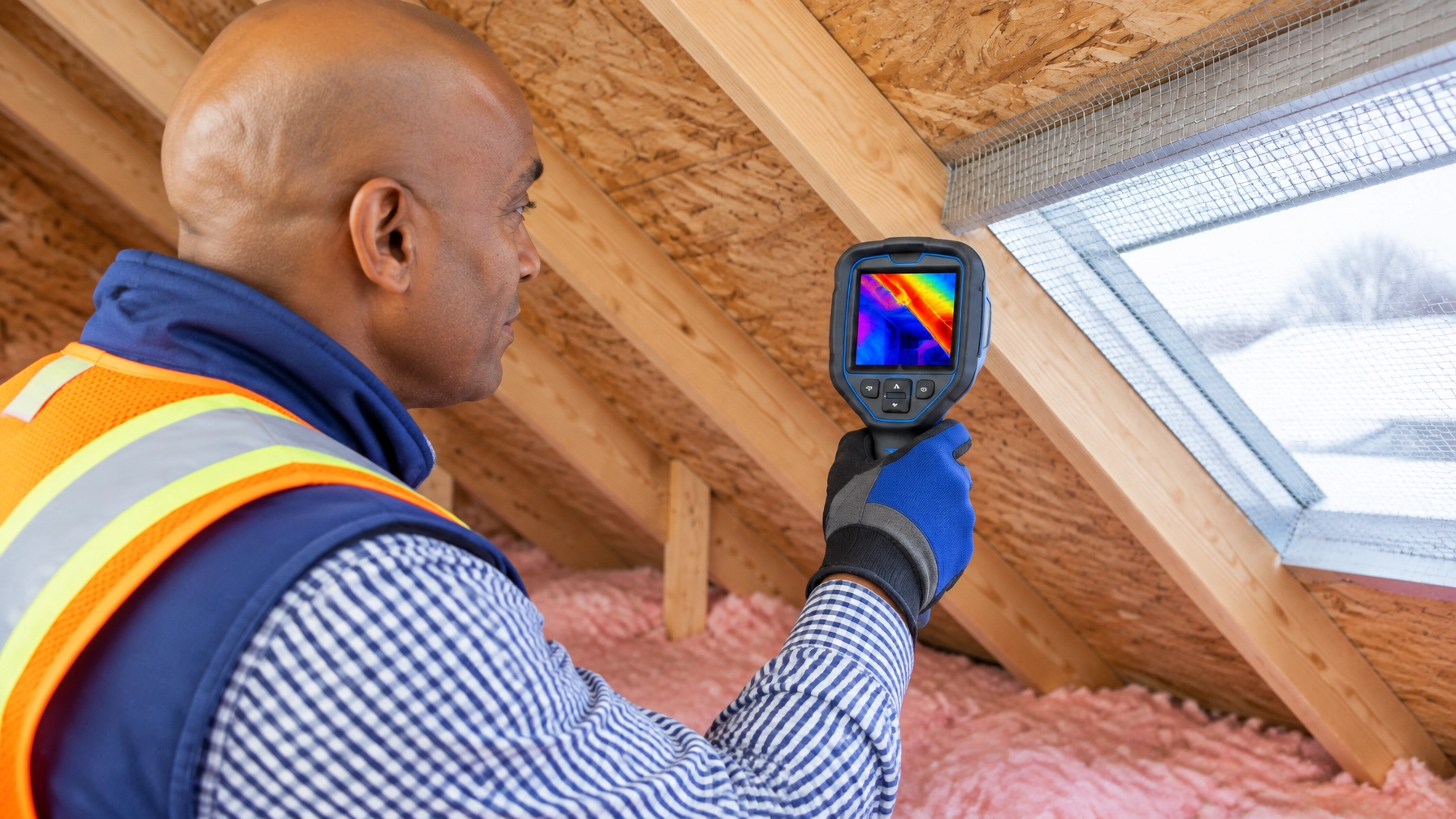
Direct answer: Prevent ice dams by stopping warm air from escaping into your attic, maintaining even insulation, keeping soffit and roof ventilation clear, cleaning gutters, and planning safe snow management. Complete these five steps before Edmonton’s first snowfall so melting snow does not refreeze at the eaves.
Meta description: Learn how to prevent ice dams in Edmonton before the first snow with five practical steps for attic air sealing, insulation, ventilation and roof care.
Could your roof develop an ice dam even when the shingles appear to be in good condition?
Yes. Ice dams usually begin inside the home, when heat escapes into the attic and warms sections of the roof. Snow melts over those warm areas, flows toward the colder eaves, and refreezes. The resulting ice ridge can force water beneath shingles and into the attic, ceilings, insulation, and exterior walls.
I’m Banti K Shaw, founder and chief inspection officer at InspecUs. With more than 10 years of inspection and construction experience, I have seen how small attic deficiencies can become expensive winter moisture problems.
“The most effective ice-dam prevention starts before the snow arrives. Your attic should be cold, dry, evenly insulated, and properly ventilated. Roof cables and emergency snow removal are secondary measures, not substitutes for correcting heat loss.”
Banti K Shaw
For a broader seasonal review, see our fall home inspection checklist for Edmonton.
Are warm drafts escaping through your ceiling and heating the roof deck?
Insulation slows heat transfer, but it cannot fully correct large air leaks. Warm, humid household air can move into the attic through small openings around ceiling penetrations. In winter, that air may condense or contribute to uneven snow melt.
Before the first snow, check accessible areas around:
An attic hatch should close tightly, contain adequate insulation, and have effective weatherstripping. Exhaust fans must terminate outdoors, not into the attic, because warm, moist air discharged into the attic can create frost, condensation, mould-like staining, and attic rain.
Pro tip: Do not simply add more insulation over visible moisture staining. First identify whether the underlying problem is air leakage, a roof leak, a disconnected exhaust duct, or inadequate ventilation.
If you are concerned about these conditions, our guide to an attic inspection in Edmonton before winter explains what an inspector reviews.
Could thin or uneven attic insulation be creating warm patches beneath the snow?
Insulation should form a consistent thermal barrier across the attic floor. Low spots, compressed sections, missing insulation near exterior walls, and gaps around the hatch can allow heat to reach the roof deck.
Before winter, look for:
Many Edmonton attics require substantial insulation because of our long heating season. The appropriate target depends on the home’s age, assembly, existing insulation, air barrier, and applicable requirements. Natural Resources Canada provides practical guidance on keeping heat in through roofs and attics.
The important sequence is:

Pro tip: More insulation is not always better if it blocks soffit airflow. Insulation should stop at the correct location, while baffles preserve a clear channel for air to move from the soffits into the attic.
Is your attic ventilated, or does it simply contain a few vents that cannot move enough air?
Effective ventilation requires a functioning intake-and-exhaust pathway. Typically, air enters through the soffits, moves upward along the underside of the roof, and exits through ridge, roof, or gable vents.
Inspect for:
The purpose is not to make the attic warm. A well-performing winter attic should remain close to outdoor temperature. Air sealing and insulation limit heat entering the space, while ventilation helps remove small amounts of heat and moisture that do get in.
Ventilation should be assessed as part of the complete roof assembly. Roof design, attic size, vent type, intake area, exhaust location, and air leakage all matter. A simple vent-count estimate cannot replace an inspection of the actual airflow path.
Pro tip: Look at the roof from inside the attic before snow arrives. If you can see daylight at the soffit but insulation is packed tightly against the roof edge, incoming air may still be blocked.
Could a blocked gutter make an existing ice problem worse?
Gutters do not cause the underlying heat loss that creates ice dams, but blocked drainage can prevent meltwater from moving away from the roof. During freeze-thaw cycles, debris, damaged downspouts, and poor discharge locations can increase the chance of water backing up near the eaves.
Before snowfall:
Do not climb onto a wet, steep, icy, or fragile roof. A qualified roofing professional or home inspector can assess visible roof-edge conditions safely.

Pro tip: If you have experienced repeated ice dams, photograph the affected eaves and interior ceiling stains before repairs begin. Those locations can help connect exterior ice buildup with attic heat-loss patterns.
What should you do once the first major snowfall arrives?
Snow management can reduce the amount of water available to form an ice dam, but it does not fix the root cause. If your attic is losing heat, the problem will likely return unless air sealing, insulation, and ventilation are corrected.
During winter:
Call for professional help if you notice:
Thermal imaging can help identify unusual temperature patterns, while moisture detection can help investigate suspected water intrusion. Learn more about thermal imaging and moisture detection in Edmonton.

Are you buying a home after the weather has already turned cold?
A pre-purchase inspection can help identify the conditions that increase ice-dam risk, including:
Snow and ice may conceal parts of the roof and exterior drainage system. A careful inspector should clearly document those limitations and explain whether a spring follow-up is appropriate.
Our pre-purchase home inspection service in Edmonton is designed to give you practical information about the property’s visible condition before you commit to a major investment. For additional seasonal context, read our guide to a winter home inspection in Edmonton.
Could an inspection before the first snowfall help you prioritize repairs while access is still easier?
Consider booking an inspection if:
At InspecUs, we use practical inspection methods, high-resolution images, and advanced tools where appropriate. Our reports examine more than 100 items and are delivered within 24 hours, helping you act while the information is still useful.
Are ice dams preventable in Edmonton?
In many homes, the risk can be significantly reduced by correcting heat loss and maintaining a cold, dry, well-ventilated attic. Start with air sealing, then address insulation and ventilation. Finish by preparing the roof edge, gutters, and winter snow-management plan.
“You do not need to wait for water on the ceiling to investigate an ice-dam risk. A pre-winter assessment gives you the opportunity to find the cause while repairs are safer, clearer, and usually more manageable.”
Banti K Shaw
If you want an objective review before Edmonton’s first snowfall, contact InspecUs to discuss an attic, winter, or pre-purchase inspection.
We are licensed by the Licensed Professional and certified through InterNACHI

InspecUs Home Inspection is certified in the best practices established by Internachi. Our commitment to safety includes maintaining a 6-foot distance and using personal protective equipment (PPE) during all inspections.

© 2024 InspecUs - All Rights Reserved. | Sitemap | Developed by Integrated Marketing Platform Inc.