 7132 178 St NW,

 Call us:



 Call us780-809-1056
- Mail usinfo@inspecus.ca
- Schedule An Inspection
Call us780-809-1056

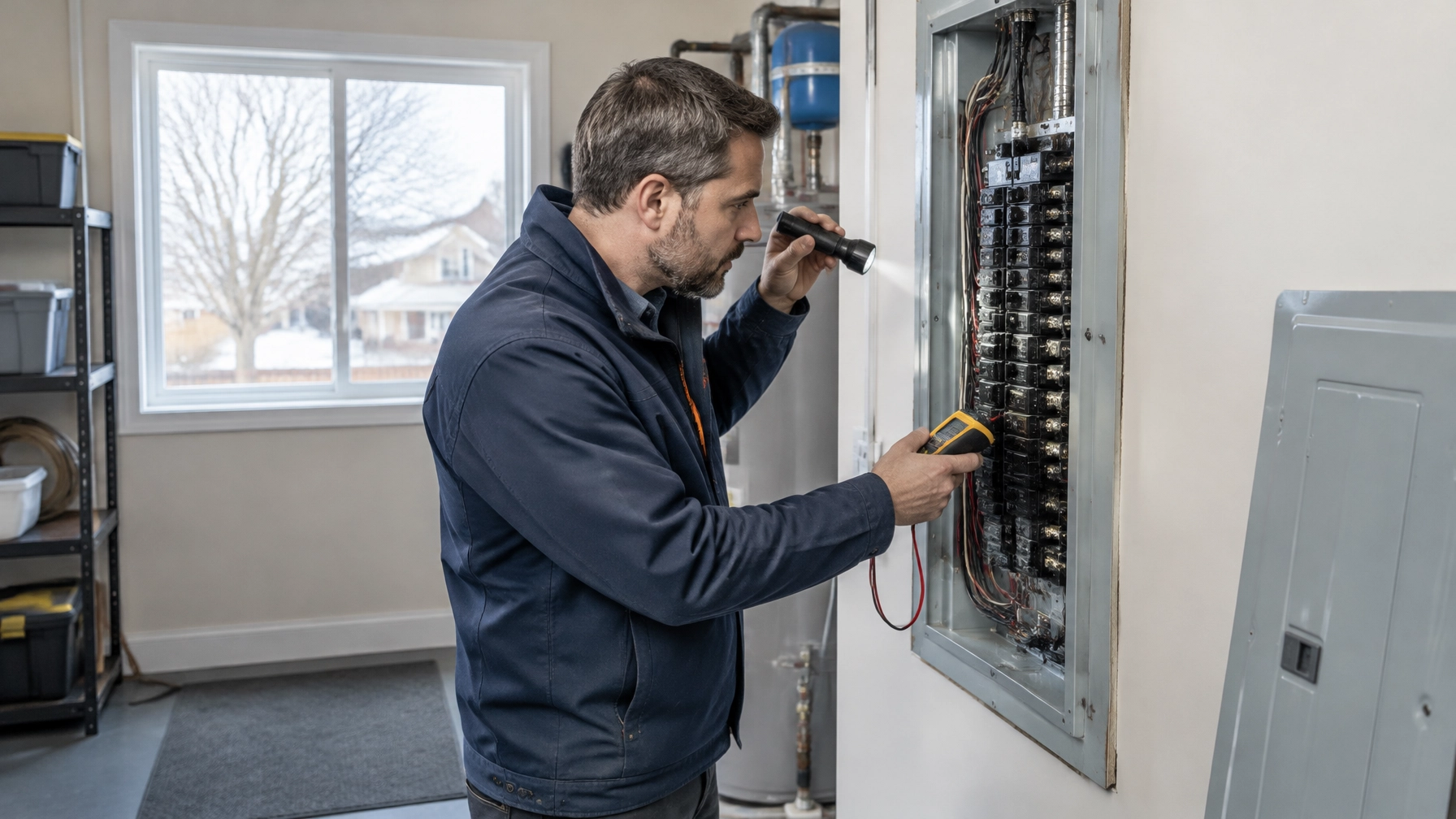
Meta description: Selling in Edmonton? See when to book a pre-listing inspection, what to fix or disclose, and how a clear report can support steadier buyer negotiations.
Direct Answer: No, an Edmonton seller is not generally required to order a pre-listing inspection, but it can help you identify issues, plan repairs or disclosures, and avoid rushed buyer negotiations. It is a decision-making tool, not a guarantee or a substitute for a buyer’s independent inspection.
If you are searching for “home inspection Edmonton,” you may be thinking of buyers. But sellers can use an inspection, too. A pre-listing inspection gives you an early view of your home’s observable condition, so you have time to decide what to address before buyers start asking questions.
I’m Banti K Shaw, owner of InspecUs. With more than 10 years of inspection experience and a construction background, I look at a property’s systems and visible condition, then report what I observe. Here is how to make a pre-listing inspection useful when you are preparing to sell.
Will the inspector look at a different set of items because you are the seller? Normally, a pre-listing inspection follows the same general scope as a buyer’s home inspection: a visual, non-invasive review of accessible components that are safe to inspect.
Depending on the home and what is accessible, the inspection may cover:
The inspection is not a guarantee, and it does not reveal every concealed condition. Weather, stored belongings and inaccessible areas can limit what an inspector can observe. For a fuller breakdown of the components, see InspecUs’ 100+ item Edmonton home inspection checklist.
Could you use extra time to get contractor opinions before an offer deadline? Many sellers benefit from booking the inspection well before listing day, and some inspection specialists suggest doing it even months ahead so repairs are not rushed. In an Edmonton winter market, my practical advice is to leave at least a few weeks between the inspection and your listing date. That leaves room to review the report, get competitive contractor quotes, complete selected work and organize paperwork without negotiating under a closing deadline.
A practical sequence is:
“In my inspection experience, early information gives sellers more control over their choices. My role is inspection and reporting. I document observable conditions so you and your real estate professional can decide what to do next.”

Does every inspection finding need to be repaired before you list? No. Use this framework to sort findings into practical next steps. Your REALTOR® can help with pricing and transaction strategy; a qualified contractor or specialist can assess repair needs.
Prioritize issues that affect safety, active water entry or essential systems, especially when the fix is clear and can be completed before showings. Examples might include a non-working smoke alarm, a leaking fixture or a loose handrail. Keep invoices and any related documentation.
If you know about a significant hidden defect, do not cover it up or assume a report makes disclosure unnecessary. Discuss the condition with your REALTOR® and get advice on how to disclose it in writing. A repair may address the problem, but a history of a known issue may still be relevant.
Some older components or maintenance items may not justify a rushed replacement. You can discuss whether the asking price or offer terms should reflect them. Be ready to explain what is known and provide documentation where available. Leaving an item as-is does not remove a duty to disclose a known material latent defect.
Does caveat emptor, or “buyer beware,” mean you can stay silent about every problem? No. Alberta sellers must disclose known material latent defects. “Material” means major, while “latent” means hidden and not discoverable through a reasonable inspection. The Alberta Real Estate Association’s explanation of material latent defects also discusses the seller’s warranty statement in the AREA Residential Purchase Contract.
The contract warranty statement addresses known material latent defects, if any, being disclosed in writing in the contract. If you have a concern about a defect, permit or notice, speak with your REALTOR® and consider getting legal advice about the appropriate disclosure.
Do not try to hide a known defect with a superficial repair or cosmetic cover-up. For example, covering evidence of recurring water entry without disclosing the underlying problem may amount to fraudulent misrepresentation. Be factual and transparent, and ask a qualified professional to assess issues you do not understand.
Could small access issues make it harder to inspect your home? In Edmonton’s late-fall and winter selling season, clear access helps an inspector see key areas and test accessible components. Before the appointment, check that:
These are preparation steps, not a substitute for an inspection. Do not enter unsafe spaces or attempt electrical work yourself. Tell the inspector about known issues and any areas that may be inaccessible.

Would sharing the report guarantee a buyer will not ask for repairs or a price adjustment? No. But a clear report can help you explain what was inspected, what was observed and how you responded. If you completed work, attach the relevant invoices or supporting documents so buyers can see the record.
InterNACHI explains that the seller is the client for a seller inspection and may share the report with potential buyers. It also notes that a buyer may still arrange a fresh inspection, since no two reports are identical. Read InterNACHI’s guidance on seller inspections for more on the process.
A buyer’s inspector may observe different conditions or report items differently. Treat your report as a transparent starting point, not a promise that a buyer will waive an inspection or accept every condition. In my experience, having the information early can help keep discussions focused on documented findings rather than surprise discoveries close to a deadline.

Are you preparing to list and want to understand your home’s visible condition before buyers visit? A pre-listing inspection can help you plan, gather documentation and discuss next steps with your real estate professional. Learn about InspecUs home inspection services in Edmonton, or send us a message to ask about scheduling.
We are licensed by the Licensed Professional and certified through InterNACHI

InspecUs Home Inspection is certified in the best practices established by Internachi. Our commitment to safety includes maintaining a 6-foot distance and using personal protective equipment (PPE) during all inspections.

© 2024 InspecUs - All Rights Reserved. | Sitemap | Developed by Integrated Marketing Platform Inc.