 7132 178 St NW,
 Call us:

 Call us780-809-1056
- Mail usinfo@inspecus.ca
- Schedule An Inspection
Call us780-809-1056

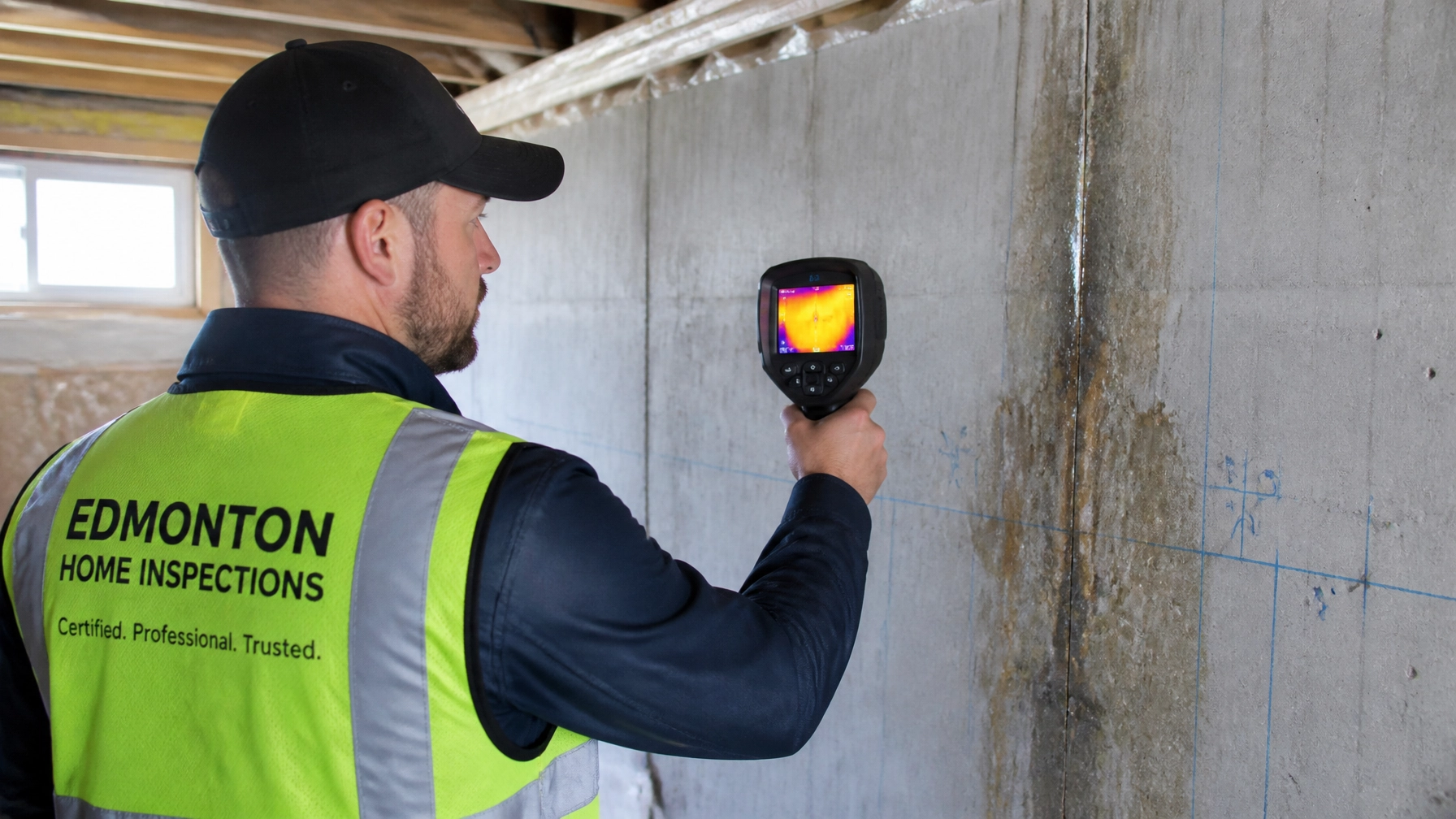
Direct Answer: A professional mold inspection in Edmonton involves a thorough visual assessment, moisture meter readings, and thermal imaging to identify hidden dampness and fungal growth. Aligned with Health Canada and Alberta Health Services guidelines, expert inspections uncover root moisture causes before remediation, with costs typically ranging from $250 to $1,200.
Navigating the Edmonton real estate market or maintaining your property through Alberta's dramatic weather shifts requires vigilance. Have you recently noticed a faint musty smell in your basement, or are you preparing to purchase a mature home in neighbourhoods like Strathcona or Glenora? Unseen fungal growth can quietly compromise your indoor air quality and structural integrity.
Over my 10+ years working in construction and property inspection across Edmonton, I have seen firsthand how local climate stressors turn minor plumbing leaks or ice damming into costly mold infestations. In this guide, I’ll break down everything you need to know about mold inspections in Edmonton, what to look for, regulatory standards, and how to protect your investment.
What makes Edmonton particularly prone to moisture challenges? Our local environment combines freezing winters, rapid freeze-thaw cycles, and humid summer spells. When winter snow piles against exterior foundation walls or ice dams form on roofs, melting water can seep into attics, crawlspaces, and basements.
Furthermore, many of Edmonton’s mature homes feature older foundation waterproofing and uninsulated concrete walls that are magnets for condensation. When indoor humidity climbs above 60%: frequently occurring during summer or in poorly ventilated bathrooms: mold spores resting on organic surfaces like drywall, wood framing, and carpets find an ideal breeding ground.
If you are currently evaluating a property purchase, I strongly recommend reviewing our comprehensive ultimate home inspection Edmonton checklist to understand how moisture assessment fits into your overall pre-purchase strategy.
Are you or your family members experiencing unexplained respiratory symptoms that seem to vanish when you leave the house? Mold exposure is more than an aesthetic nuisance; it can trigger significant health concerns, particularly in our dry winter climate where indoor air is already recirculated.
According to guidelines from Health Canada and Alberta Health Services, common health reactions to indoor mold exposure include:
For vulnerable occupants: such as infants, elderly family members, or those with compromised immune systems: identifying and removing mold promptly is critical.

Mold doesn't always announce itself with large, fuzzy black patches on your living room wall. Often, it grows behind wallpaper, under flooring, or inside HVAC ductwork. How can you spot the warning signs before they escalate?
Keep an eye out for these red flags:
Banti’s Pro Tip: "I've seen mold cases that looked minor cosmetically but were tied to major structural moisture issues : always investigate the root cause, not just the visible growth. Treating surface mold without fixing a leaky foundation crack or a failing roof shingle is just a temporary band-aid."
When you hire a certified professional for a mold assessment in Edmonton, the process goes far beyond a casual walk-through. A comprehensive inspection follows strict industry standards and typically includes:
To learn more about finding qualified professionals who adhere to rigorous standards, explore our insights on choosing the best home and property inspection services in Edmonton.

Unfortunately, the mold inspection and remediation industry has its share of unscrupulous operators. How do you protect yourself from predatory practices?
Watch out for these major red flags:
You might wonder if Alberta has specific legal exposure limits for indoor mold. Unlike some industrial workplace chemicals, there are no specific numerical exposure limits for residential indoor mold established by legislation.
Instead, Edmonton inspectors and environmental consultants rely on established public health frameworks:
Can you tackle mold cleanup yourself, or do you need to call in the professionals? The rule of thumb in the inspection industry is tied to square footage and occupant health:
What should you expect to invest in a professional mold assessment? In the Edmonton area, mold inspection costs typically range from $250 to $1,200, depending on the scope of the property and testing requirements:
Considering that major structural repairs or health complications can cost thousands more down the road, a targeted pre-purchase or diagnostic inspection is a highly cost-effective investment.

Whether you are buying your first home, selling a property, or managing commercial real estate in Edmonton, peace of mind starts with accurate, unbiased data. With over 10 years of construction and inspection experience, InterNACHI certification, and top-of-the-line thermal imaging tools, InspecUs is here to help you uncover the truth behind your walls.
Don't let hidden moisture compromise your indoor environment. Contact InspecUs today to schedule your professional property inspection in Edmonton and surrounding areas!
We are licensed by the Licensed Professional and certified through InterNACHI

InspecUs Home Inspection is certified in the best practices established by Internachi. Our commitment to safety includes maintaining a 6-foot distance and using personal protective equipment (PPE) during all inspections.

© 2024 InspecUs - All Rights Reserved. | Sitemap | Developed by Integrated Marketing Platform Inc.