 7132 178 St NW,

 Call us:



 Call us780-809-1056
- Mail usinfo@inspecus.ca
- Schedule An Inspection
Call us780-809-1056

Direct answer: Before Edmonton’s winter, watch for repeated cycling, weak or uneven heat, unusual noises, persistent odours, soot or moisture, rising energy use, a furnace that won’t start, visible vent damage, and blocked outdoor intake or exhaust pipes. Call a qualified HVAC professional about safety concerns; a home inspection is not a furnace tune-up.
Meta description: Home inspection Edmonton: spot nine furnace warning signs before winter, learn what you can safely check yourself, and know when to call an HVAC professional.
By Banti K Shaw
Could a furnace that seemed fine last season struggle when temperatures drop? Yes. Heating problems can show up as the system runs more often and harder. A pre-winter check gives you time to notice warning signs and arrange the right professional help before you depend on consistent heat.
I’m Banti K Shaw. With more than 10 years of inspection and construction experience, I’ve learned that small changes in how a heating system sounds or performs can be worth investigating. The signs below don’t diagnose a specific fault, but they can help you decide when to take the next step.
“I pay attention to patterns: whether the furnace starts and runs normally, whether heat reaches the rooms, and whether there are visible signs of moisture or damage. One symptom may have several possible causes, so I focus on documenting what I can see and recommending the right follow-up.”
Banti K Shaw
Is your furnace behaving differently than it used to? These nine signs deserve attention, especially if they recur or appear together.
Frequent starts and stops, often called short cycling, can signal an airflow restriction, thermostat issue, safety control response, or another system problem. A dirty filter or blocked return grille may contribute, but don’t assume that’s the only cause.
What you can do: Check the filter and make sure furniture, rugs, or storage are not blocking air grilles. If cycling continues, contact an HVAC professional.
Weak airflow, cold rooms, or uneven heat can be related to blocked registers, a loaded filter, duct problems, or a system that needs professional assessment. The cause is not always the furnace itself.
What you can do: Check that supply registers and return-air grilles are open and unobstructed. If airflow remains weak or uneven, ask a qualified technician to investigate.
A new or recurring sound is a change worth noting. Banging can have several causes; squealing or grinding may point to a mechanical issue; rattling can come from a loose panel or component. The sound alone cannot confirm which one.
What you can do: Note when the sound occurs and whether it happens at startup, during operation, or as the system shuts down. Don’t reach inside the furnace to investigate.
Soot, staining, or a flame that appears yellow or irregular can indicate a combustion or venting concern. Don’t remove furnace panels or attempt to adjust burners to check. If you notice these signs during normal operation, have the system assessed by a qualified HVAC professional.
A brief dusty smell when the heat first runs may be dust warming up. A persistent or recurring odour is different and deserves prompt attention, especially if it is accompanied by staining, soot, or symptoms such as headache or dizziness.
Safety first: If you smell gas, leave the home and call emergency services or the gas utility from outside. If a carbon monoxide alarm sounds, get everyone outside and call 911. Do not re-enter until authorities say it is safe.
Moisture, rust, or water marks can be related to a condensate drain, humidifier, plumbing leak, or other issue. The visible location of water may not reveal its source.
What you can do: Take note of where and when you see moisture. Don’t ignore recurring water or cover the stain; arrange an appropriate HVAC or plumbing assessment.
A higher bill by itself doesn’t prove the furnace is failing. Weather, thermostat settings, home use, airflow, and equipment condition can all affect energy use. But a noticeable change combined with weaker heating is a good reason to review the system.
What you can do: Compare your usage across similar billing periods, check the filter and air grilles, and ask an HVAC professional about persistent performance changes.
A furnace that won’t start, stops before reaching the set temperature, or repeatedly displays a fault code may have a thermostat, electrical, ignition, control, or safety issue. Resetting it repeatedly without finding the cause may not solve the problem.
What you can do: Check the thermostat setting and consult the owner’s manual for basic, safe steps. If the problem returns, call a qualified technician and share any displayed code.
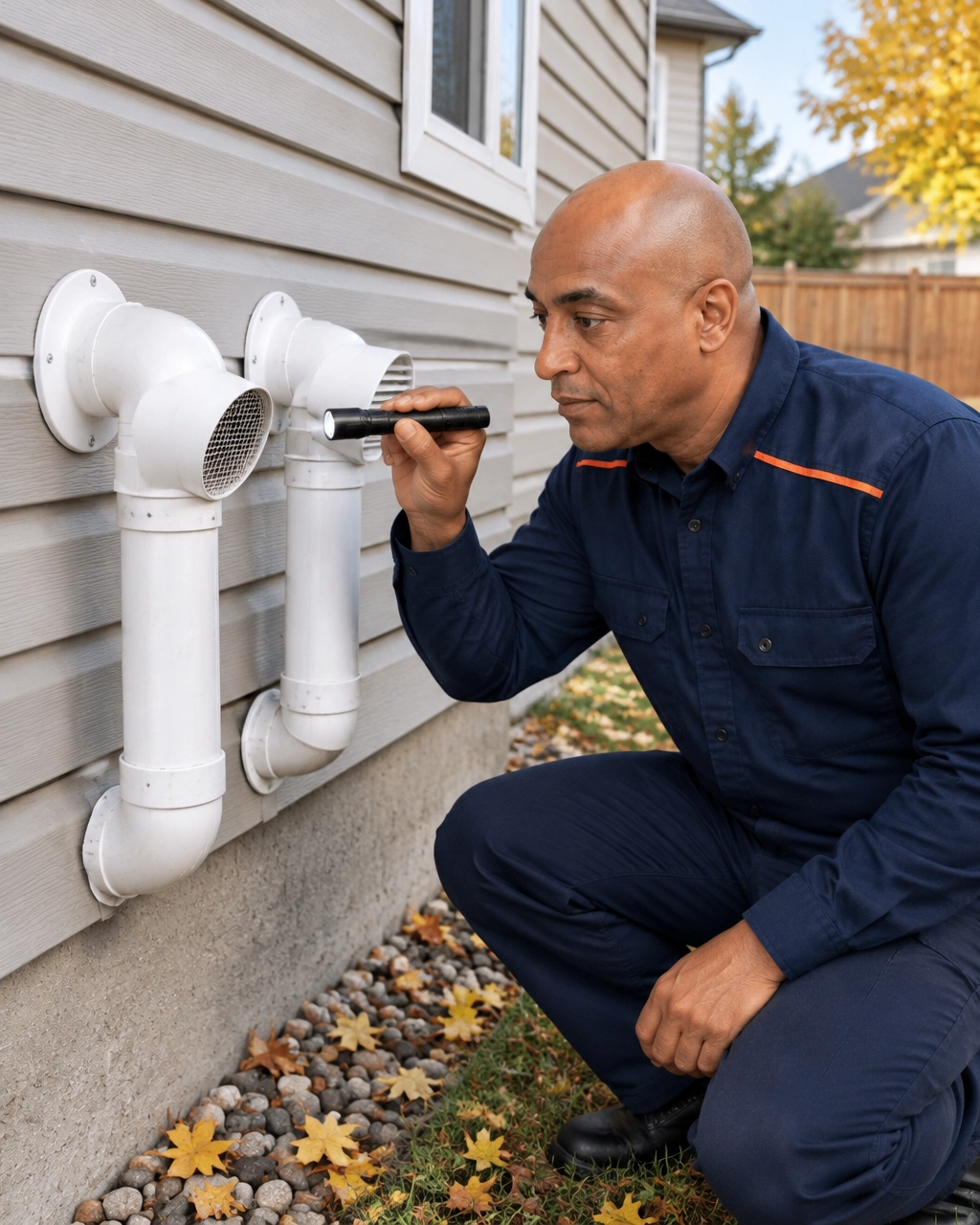
High-efficiency furnaces commonly have exterior pipes for air intake and exhaust. Leaves, snow, ice, or other debris can obstruct them; loose, cracked, or displaced venting also needs attention. A blockage can interfere with operation, and venting concerns should not be treated as a cosmetic issue.
What you can do: From a safe position, look for visible obstructions or damage. Keep the area clear as directed by the furnace manufacturer. Don’t dismantle, modify, or repair venting yourself.

Want to do a quick pre-winter check without opening the furnace cabinet? Start with simple observations:
Pro tip: Write down what you observe, when it happens, how often, and which rooms are affected. Clear notes can help an HVAC professional narrow down the concern.
For maintenance advice, see Natural Resources Canada’s heating-system guidance. It recommends following the manufacturer’s maintenance instructions, with oil-fired furnaces cleaned and tuned annually and natural-gas or propane furnaces serviced at least every two years. You can also consult CMHC’s Home Maintenance Schedule.
For other useful seasonal checks, read our Edmonton fall home inspection checklist and winter preparation guide to frozen pipes.
Can a home inspection confirm that your furnace is safe and will work all winter? No. A visual home inspection can report on accessible, visible conditions and observe normal operation where possible. It is not a substitute for a furnace tune-up, internal service, combustion analysis, or repairs by a qualified HVAC professional.
At InspecUs, we inspect more than 100 items in every report and document relevant findings with high-resolution images. We’re InterNACHI certified, provide same-day reports within 24 hours, and offer support after the inspection. If a concern calls for specialized testing or repair, I’ll explain what I observed and recommend the appropriate follow-up rather than suggesting a visual inspection can confirm more than it can.

Should you wait until the furnace stops working? Not if you’re seeing repeated warning signs, persistent odours, visible soot, water, damaged venting, or a carbon monoxide alarm. Contact the appropriate professional promptly. If there is an immediate safety concern, leave the home and contact emergency services.
If you’re planning a purchase, preparing your home for winter, or simply want an informed view of visible conditions, explore our home inspection services in Edmonton. A home inspection can help you understand what was visible on inspection day and what may need further evaluation; it cannot predict every future breakdown.
“My goal is to give you a clear picture of what I can observe, explain why a finding may matter, and help you decide on a sensible next step.”
Banti K Shaw
If you have questions about a property or would like to discuss an inspection, you’re welcome to contact InspecUs.
We are licensed by the Licensed Professional and certified through InterNACHI

InspecUs Home Inspection is certified in the best practices established by Internachi. Our commitment to safety includes maintaining a 6-foot distance and using personal protective equipment (PPE) during all inspections.

© 2024 InspecUs - All Rights Reserved. | Sitemap | Developed by Integrated Marketing Platform Inc.