 7132 178 St NW,

 Call us:


 Call us780-809-1056
- Mail usinfo@inspecus.ca
- Schedule An Inspection
Call us780-809-1056

Direct answer: A Level 2 chimney inspection is called for after a chimney fire or other damaging event, when an appliance or fuel type changes, before relining, when a property is being sold, or when a basic inspection cannot confirm the chimney is serviceable, according to NFPA 211 and CSIA guidance.
Meta description: Learn when NFPA 211 calls for a Level 2 chimney inspection in Edmonton, what the video scan covers, and what to do after a chimney fire or appliance change.
Could a chimney look fine from the fireplace opening and still have hidden damage inside the flue? Yes. In my more than 10 years of inspection and construction experience, I’ve learned that a basic visual look and a specialist chimney inspection answer different questions. Knowing which inspection you need can help you avoid relying on an incomplete picture.
What changes as you move from a basic review to a more detailed investigation?
NFPA 211 describes three levels of chimney inspection. The level depends on the system’s history, the reason for the inspection, and whether the visible areas provide enough information to assess serviceability.
The CSIA Level 2 inspection procedure explains the scope in detail. NFPA 211 and CSIA guidance provide inspection frameworks; they do not, by themselves, replace applicable local requirements or an authority’s decision.
Is a basic look enough if something about the chimney’s use or history has changed? Often, it is not. CSIA guidance identifies five common reasons to arrange a Level 2 inspection:
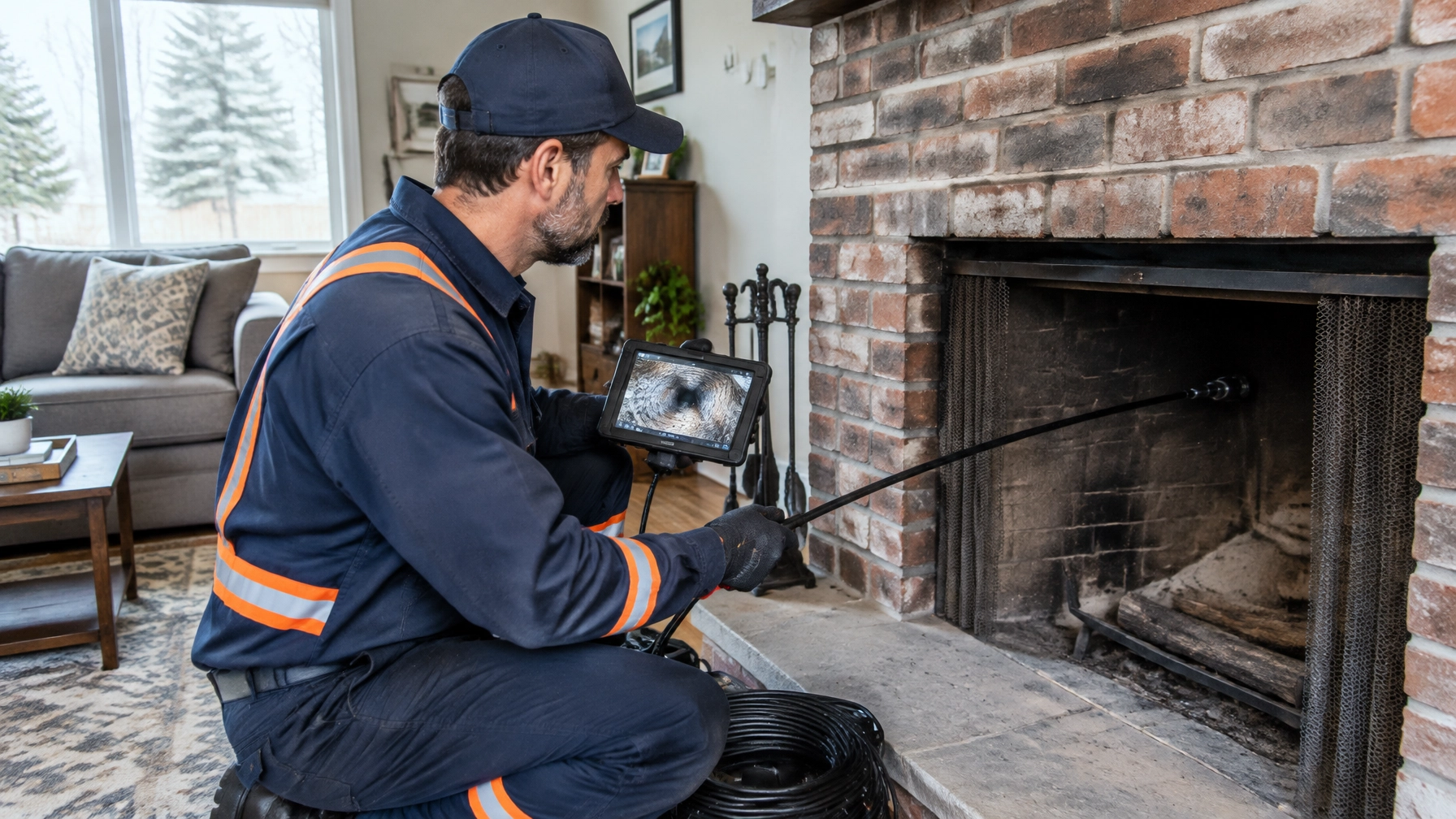
A Level 2 inspection is not simply a longer version of a quick visual check. Its required video scan provides an internal view that a look up from the fireplace or down from the chimney top may not provide.

Can you safely use the fireplace again once the fire department has left? Do not use the chimney until it has been swept and evaluated by a qualified chimney professional.
The Chimney Safety Institute of America’s chimney-fire guidance explains why. A fire in the flue may cause joint failure, metal fatigue or structural cracking. Damaged areas may not be visible from above or below.
Follow these steps:
The fire department’s job is to suppress the fire. CSIA notes that chimney evaluation is outside the scope of that response, so a visit from firefighters does not confirm the chimney is safe to use.
“During an Edmonton home inspection, if you tell me there has been a chimney fire or an appliance change, I document that history and the visible conditions in my report. If the flue needs a specialist assessment, I recommend the appropriate follow-up rather than presenting a visual inspection as a video scan.”
Banti K Shaw
Could a new appliance work with the existing chimney just because it fits in the same room? Not necessarily. The appliance, fuel and venting system need to be suitable for one another.
For example, changing from a wood-burning appliance to gas is a dissimilar appliance change. The fuel and venting requirements differ, so CSIA guidance identifies this kind of change as a reason for a Level 2 inspection. The same principle applies when adding an appliance or replacing one with a different type, fuel, efficiency or other relevant operating characteristics.
A Level 2 assessment considers the connected appliance and the chimney as a system. It can include flue sizing and visible clearances, but suitability depends on the actual appliance, installation instructions and applicable requirements. Before arranging a change, gather the appliance make and model, installation documents and any previous chimney records for the qualified professional.
Pro tip: If you are planning a conversion or replacement, ask your chimney professional what information they need before work begins. Confirm what the inspection will cover and what the final report will document.
What should you expect beyond the fireplace opening? A Level 2 inspection examines accessible parts of the system, including the relevant areas in the home and the chimney itself. CSIA’s procedure calls for attention to all flues within the chimney and their connected appliances.
Depending on the property and access, the professional may examine:
The exact inspection can depend on the chimney type, the property and what can be safely accessed. Ask the professional to document any access limitations and explain what the findings mean for the intended use.
Does a standard home inspection include a Level 2 video scan? No. At InspecUs, our whole-home inspection includes a visual, non-invasive review of accessible chimney and fireplace components. That scope is roughly comparable to what a basic Level 1 look covers, but it is not a formal Level 2 inspection and does not include an interior video scan.
During a home inspection in Edmonton, I can report visible concerns and relevant history you share, such as a previous chimney fire, a changed appliance or a planned conversion. If the circumstances call for a Level 2 inspection, I recommend follow-up with a qualified chimney professional, such as a CSIA-certified sweep with the right equipment. We do not perform Level 2 video scans.
If you are buying or selling a home with a fireplace, ask about its service history, appliance changes, previous inspections and any known fire or damage events. Edmonton’s heating season makes those questions especially practical during a winter purchase, when you may be eager to use a fireplace soon after possession. For more on the visible items a general review may cover, see our Edmonton chimney inspection guide.

A clear report should distinguish what was observed from what needs specialist evaluation. If you’re arranging a home inspection or have questions about the inspection scope, contact InspecUs to discuss the property and appropriate next steps.
We are licensed by the Licensed Professional and certified through InterNACHI

InspecUs Home Inspection is certified in the best practices established by Internachi. Our commitment to safety includes maintaining a 6-foot distance and using personal protective equipment (PPE) during all inspections.

© 2024 InspecUs - All Rights Reserved. | Sitemap | Developed by Integrated Marketing Platform Inc.