 7132 178 St NW,

 Call us:



 Call us780-809-1056
- Mail usinfo@inspecus.ca
- Schedule An Inspection
Call us780-809-1056

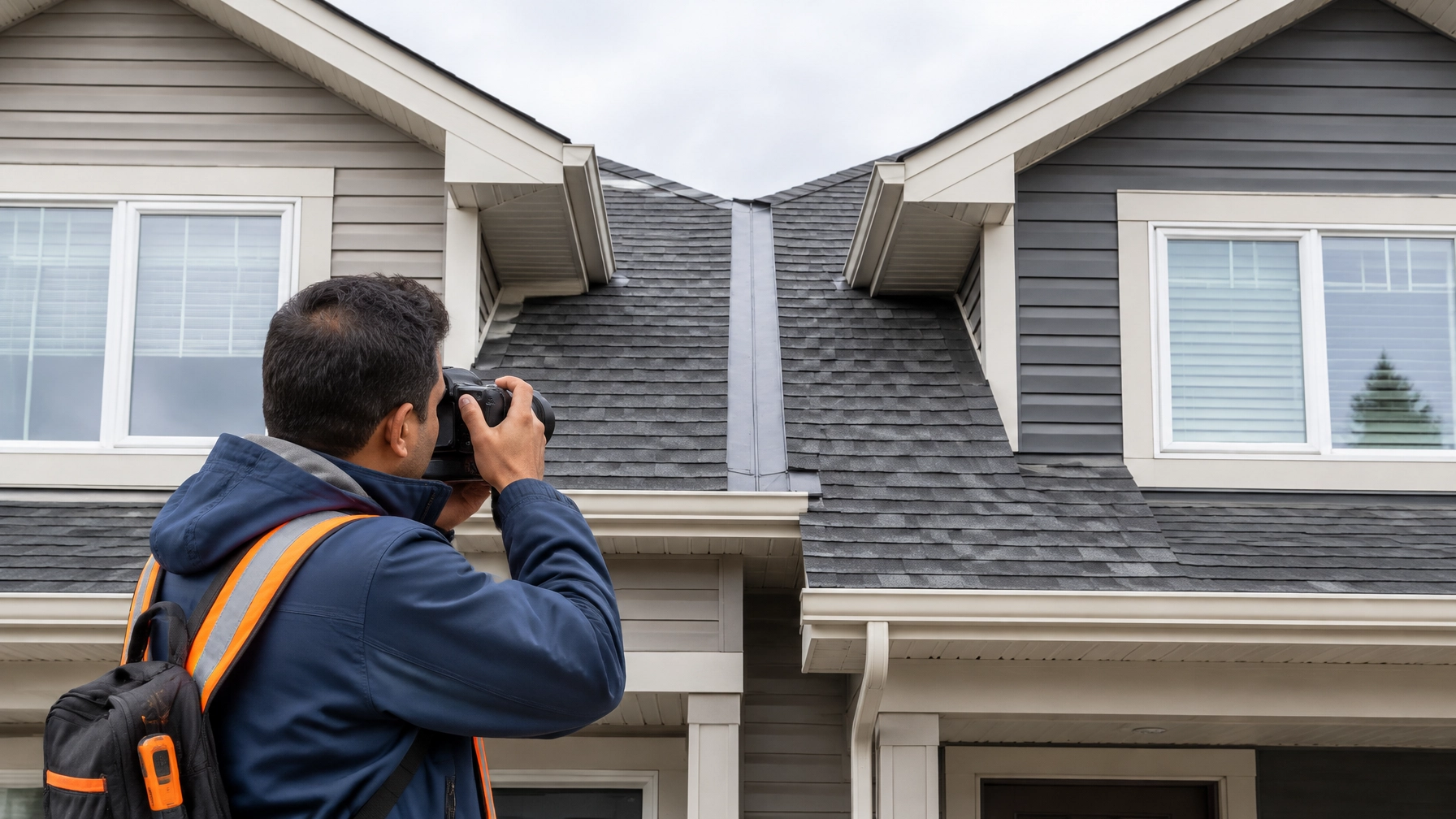
A townhome inspection differs because it examines the shared party wall and fire separation, roof-to-roof flashing joints, and drainage that may affect neighbouring foundations, while clarifying that maintenance duties depend on ownership documents. Your inspector cannot enter the neighbour’s unit, so finished surfaces may conceal parts of the party wall.
You found the perfect townhome. The price is right, the layout works, and the location feels ideal. But is the house next door effectively part of your purchase? In an attached home, what happens at the shared wall, roof junction, driveway and property line can matter as much as what you see inside your unit.
I’m Banti K Shaw, owner of InspecUs. With more than 10 years of inspection and construction experience in Edmonton, I look closely at these connected areas while keeping one important distinction clear: an inspection can describe visible physical conditions, but it cannot decide who is legally responsible for repairs.
Would you notice if a shared wall stopped short where you couldn’t see it? A party wall separates attached homes. It is intended to limit the spread of fire between units, and its continuity matters from the foundation area up to the underside of the roof deck. Exact construction requirements can vary with the building’s design, age and applicable code, so an inspection is not a substitute for reviewing approved plans or confirming code compliance.
At accessible locations, I look for signs that the separation may have been interrupted, including:
An attached garage also deserves attention. The wall and ceiling separating a garage from the living space are intended to provide protection from fire and vehicle exhaust. Look for damaged drywall, open penetrations or other visible gaps, and ask whether any alterations were completed with the required approvals. A visual inspection can flag concerns, but it cannot confirm a hidden assembly’s fire rating.
“My construction background helps me notice where a seemingly small opening or alteration may deserve a closer look. I report what is visible, explain the limitation, and recommend the right follow-up when the concealed assembly needs verification.”
Banti K Shaw

Could a small stain near the shared wall be pointing to a roof-junction problem? Where attached rooflines meet, flashing helps manage water at the joint. A gap, damaged flashing or deteriorated roof covering can allow water entry. Inside, warning signs may include ceiling discoloration, bubbling paint or a recurring stain near the shared wall or roofline.
During a home inspection, the roof covering, flashing and vents are assessed visually from the ground or eaves, where safely accessible. The InterNACHI Standards of Practice do not require inspectors to walk on roofs, and an inspector will not access a surface considered unsafe or likely to be damaged. Snow, debris or limited visibility can also restrict what can be observed.
A visible stain does not prove exactly where water entered or who must repair it. It does mean you should ask for the finding to be documented and consider further evaluation by a qualified roofing professional, especially if the junction cannot be viewed clearly.
Does the word “freehold” automatically mean you are responsible for every exterior repair? No. The physical condition of a roof or wall is one question; the legal responsibility to maintain it is another.
In a freehold townhome, you may own the home and the land, and may be responsible for the roof, exterior walls, grounds and driveway. In a condominium townhome, some or all of those areas may instead be common elements maintained by the condominium corporation. The exact arrangement depends on the condominium plan and governing documents.
The CMHC Condominium Buyer’s Guide FAQs explain that unit boundaries and maintenance responsibilities vary. Before you rely on a listing description or a verbal assurance, ask your lawyer to review the condominium plan, bylaws and applicable status or estoppel documents. Confirm in writing who is responsible for the roof, exterior walls, grounds, driveway and shared elements.
“I can tell you what I observe at the property. I can’t determine from a visual inspection whether the owner, neighbour or condominium corporation must pay for a repair. That answer belongs in the governing documents and legal advice.”
Banti K Shaw
Could water from one downspout create a concern on the other side of the property line? Check where downspouts release water and whether the visible slope or swale appears to direct runoff toward an adjoining foundation. Pooling, soft soil or water tracks near the boundary can be clues that drainage is not carrying water away effectively. The source and responsibility may require further investigation.
A shared driveway can also show wear across the boundary. Cracking, settlement or uneven areas are worth documenting, but a visual inspection cannot establish the exact property line or decide who owns a particular section.
Before planning a fence, addition, retaining feature or other work near a shared boundary, ask:
Pro tip: Don’t rely on the driveway seam or fence as proof of the legal boundary. Ask your lawyer whether a survey or other property records are needed before you make plans.

Would a clean-looking finished basement tell you everything about the party wall? Not necessarily. Drywall, cabinets and other finishes can conceal the wall and its connections. An inspector also cannot enter the neighbour’s unit to examine the other side, and a standard inspection is a non-invasive visual review of accessible areas.
My report can document visible conditions, identify inaccessible areas and recommend an appropriate next step. It cannot confirm concealed construction, certify code compliance or replace a specialist review where a fire-separation or roof-junction detail needs opening or verification.
If access is restricted or the finished basement hides the shared wall, ask what the inspector could and could not observe. That honest scope statement helps you understand the limits of the findings before your purchase conditions expire.
What should you pay attention to during a viewing? Look for these clues and share them with your inspector:

Will there be enough time to understand the findings before your conditions expire? Book as early as practical after your offer is accepted. Leave time to review the report, ask follow-up questions and arrange a specialist evaluation if the party wall or shared roof junction raises concerns.
Alberta does not require mandatory licensing for home inspectors, so ask about experience, training and professional standards. Check whether your inspector holds InterNACHI certification, and confirm that the inspection scope suits an attached home. InspecUs provides townhome and condo inspection information and certified home inspection services in Edmonton.
My inspections draw on more than a decade of inspection and construction experience. You receive a detailed report with high-resolution images, and InspecUs aims to deliver reports within 24 hours, so you can review documented findings while your decision timeline is still active.
If you’re buying an attached home, a focused townhome inspection Edmonton buyers can use should consider the shared wall, roof joint, drainage and ownership questions, as well as the rest of the accessible property. There’s no pressure to decide before you have the information. Contact InspecUs to discuss your property and arrange an inspection.
Meta description: Learn what a townhome inspection in Edmonton should reveal about shared walls, fire separation, roof joints, drainage, ownership duties and inspection limits. (155 characters)
Scheduling status: This post has not been scheduled. WordPress scheduling access is not available in this chat.
We are licensed by the Licensed Professional and certified through InterNACHI

InspecUs Home Inspection is certified in the best practices established by Internachi. Our commitment to safety includes maintaining a 6-foot distance and using personal protective equipment (PPE) during all inspections.

© 2024 InspecUs - All Rights Reserved. | Sitemap | Developed by Integrated Marketing Platform Inc.