 7132 178 St NW,
 Call us:


 Call us780-809-1056
- Mail usinfo@inspecus.ca
- Schedule An Inspection
Call us780-809-1056

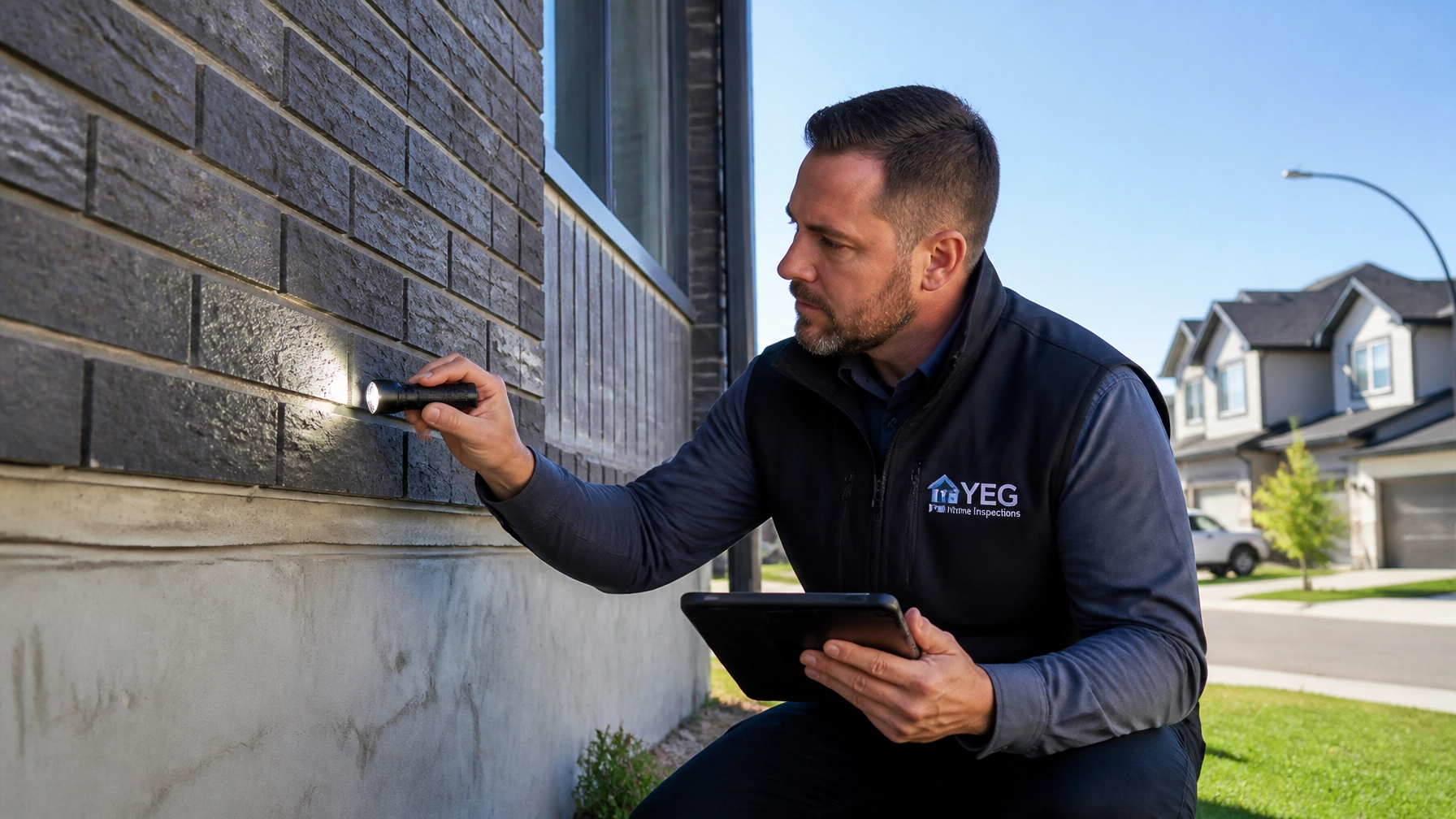
Buying a home in Edmonton is a massive milestone, but let’s be honest: it’s also one of the most stressful things you’ll ever do. Between the fast-moving market and the harsh Alberta climate, it’s easy to feel overwhelmed. You want a place that’s safe, sound, and a good investment, not a money pit hidden behind a fresh coat of paint.
Peace of mind starts with information. Whether you’re looking for home inspectors in Edmonton for a first-time purchase or you're a seasoned investor, you likely have a list of questions. Our team at InspecUs has performed thousands of inspections across the Capital Region, and we’ve heard them all.
Here are the 20 most common FAQs about home inspection in Edmonton, AB, to help you navigate your next move with confidence.
A home inspection is a non-invasive, visual examination of the accessible areas of a property. Think of it as a "physical" for a house. Our home inspectors in Edmonton look at the major systems, roofing, electrical, plumbing, HVAC, and structure, to identify safety issues and major defects before you sign on the dotted line.
Edmonton's "freeze-thaw" cycle is brutal on homes. Our soil conditions can lead to foundation shifting, and our heavy snow loads test even the sturdiest roofs. A professional edmonton house inspection identifies issues specific to our climate, like ice damming or poor grading that could lead to basement flooding during the spring thaw.
Ideally, you should book your inspection as soon as your offer is accepted. Most purchase contracts in Alberta include a "home inspection condition" window, usually 7 to 10 days. Don’t wait, the best home inspectors in Edmonton can book up quickly, especially during the spring market.
In the Edmonton area, a standard residential inspection usually ranges between $400 and $600. The price depends on the size and age of the home. While it might feel like an extra expense, it’s a drop in the bucket compared to the thousands you could save by discovering a failing furnace or a cracked foundation.
For a typical single-family home, expect the process to take 2 to 4 hours. Older homes or larger properties in areas like Glenora or Highlands often take longer because of their complexity. We don’t rush; we take the time to inspect over 100 items per report.
Yes. It is mandatory for home inspectors in Edmonton to be licensed through Service Alberta. At InspecUs, our team is also InterNACHI certified, which means we adhere to the highest international standards of practice and ethics.
Absolutely. While the condo board handles the building’s exterior, you are responsible for everything inside the walls. Our condo inspection services look at the plumbing, electrical, and HVAC systems specific to your unit, ensuring you aren’t walking into a surprise special assessment.
Yes, we do. We provide comprehensive commercial property inspections for small businesses, multifamily buildings, and industrial spaces. Whether you’re buying a storefront in Whyte Ave or a warehouse in Winterburn, we’ve got you covered.
Our pre-purchase home inspections cover everything from the shingles on the roof to the slab in the basement. You receive a same-day digital report featuring 200+ high-resolution images, clear explanations of any defects, and maintenance tips for the future.
We frequently see issues with:

Alt text: A detailed look at roof wear, a common issue found during home inspections in Edmonton, Alberta.
Yes! Every InspecUs inspection includes thermal imaging and moisture detection. This allows us to see things the naked eye can’t, like missing insulation behind finished walls or hidden moisture leaks that could lead to mold.

Alt text: Thermal imaging technology used by an edmonton home inspector to detect hidden moisture issues.
If the home is more than 20 years old, we highly recommend a sewer scope inspection. Tree roots and shifting soil can collapse or block main sewer lines, a repair that can cost upwards of $10,000. Seeing the inside of the pipe is the only way to be sure.

Alt text: Specialized sewer scope equipment used by house inspectors in Edmonton to check underground plumbing.
If a home has lingering smells from pets, smoke, or mold, we offer ozone treatment and odor removal. It’s a powerful way to "reset" the air quality of a home before you move in.
An inspection is not a guarantee or an insurance policy. We cannot see through walls or move heavy furniture. However, we use tools like moisture meters and thermal cameras to reduce the risk of "unseen" issues as much as possible.
We strongly encourage it! While the report is detailed, being there in person allows the edmonton home inspector to walk you through the home, show you where the shut-off valves are, and explain the difference between a major structural issue and a simple weekend DIY fix.

Alt text: An edmonton house inspection expert explaining the final report to homebuyers.
Absolutely. If the home inspections edmonton alberta team finds significant issues (like a cracked heat exchanger or a structural concern), you can use that information to ask the seller for a price reduction, a credit, or for the repairs to be completed before closing.
Townhomes have unique considerations, such as shared walls and complex rooflines. Our townhome inspection services focus on these specific nuances to ensure your investment is protected.
At InspecUs, we know time is of the essence. We provide detailed, high-resolution reports on the same day as the inspection. No waiting around while your condition deadline looms.
Yes! If you're looking at property in Parkland County or Strathcona County, our acreage inspection services include specialized checks for outbuildings and general property condition that city homes don't require.
With over 10 years of experience and a background in the construction industry, we don't just "see" problems: we understand them. We’ve earned over 350+ five-star Google reviews because we treat every home as if our own family were moving in.
Whether you are a first-time buyer in Spruce Grove or a business owner in Fort Saskatchewan, getting a house inspection in Edmonton is the single best way to protect your financial future.
Ready to move forward with confidence?
Contact InspecUs today to book your certified inspection and get the peace of mind you deserve.
We are licensed by the Licensed Professional and certified through InterNACHI

InspecUs Home Inspection is certified in the best practices established by Internachi. Our commitment to safety includes maintaining a 6-foot distance and using personal protective equipment (PPE) during all inspections.

© 2024 InspecUs - All Rights Reserved. | Sitemap | Developed by Integrated Marketing Platform Inc.