 7132 178 St NW,
 Call us:


 Call us780-809-1056
- Mail usinfo@inspecus.ca
- Schedule An Inspection
Call us780-809-1056

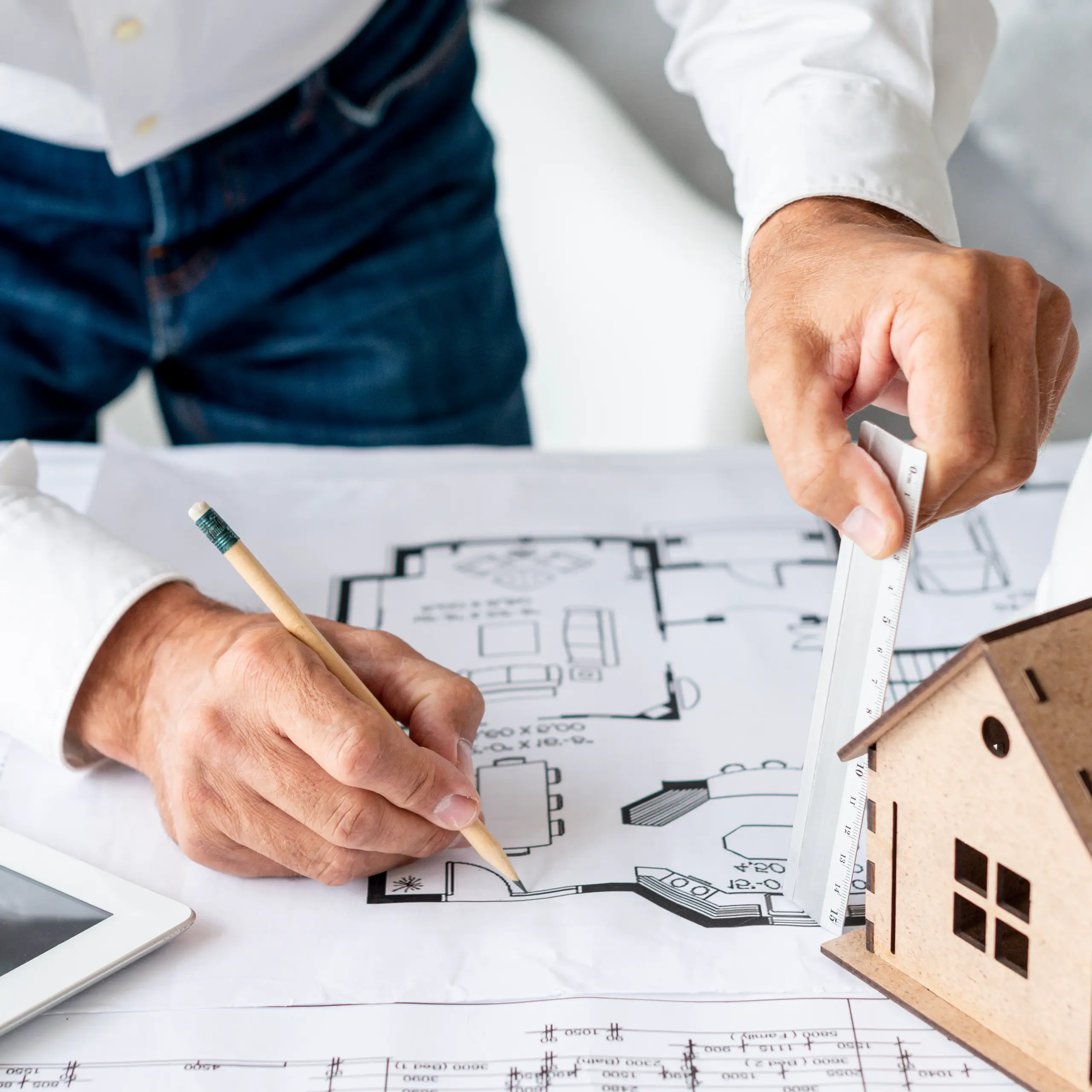
Direct answer: How long does a home inspection take in Edmonton? A typical single-family home inspection takes about 2–3 hours on-site. Condos may take 1–2 hours, while large homes, acreages, and commercial properties can take 3–8 hours or more. The property’s size, age, condition, accessibility, and added services all affect the timeline.
Are you trying to fit a home inspection into a busy day, or wondering whether a quick inspection can really be thorough?
I’m Banti K Shaw, and I bring more than 10 years of inspection and construction experience to properties in Edmonton and surrounding communities. My honest answer is simple: a proper inspection takes the time required to examine the property’s major systems carefully, explain the findings, and document them accurately.
A fast inspection is not always an efficient inspection. Sometimes it means the property is small and accessible. Other times, it may mean important areas were rushed or missed.
What should you expect based on the kind of property you are buying?
| Property type | Typical on-site time |
|---|---|
| Apartment-style condo | 1–2 hours |
| Townhome | 1.5–2.5 hours |
| Average single-family home | 2–3 hours |
| Older or larger single-family home | 3–5 hours |
| Acreage or rural property | 3–6 hours or more |
| Commercial property | 3–8 hours or more |
These are practical ranges, not rigid appointments. A 1,200-square-foot condo with excellent access may take less time than a smaller older home with a finished basement, multiple heating systems, and difficult attic access.
For a standard detached home in Edmonton, I recommend planning for at least three hours, including the final walkthrough and your questions.
Why does a detached home take longer than many buyers expect?
A typical Edmonton single-family home may include:
Older homes often take longer because the inspector must consider previous renovations, aging materials, electrical upgrades, plumbing changes, insulation levels, and foundation or drainage history.
Large homes with multiple bathrooms, fireplaces, furnaces, garages, or detached structures may require additional time.
Could a condo inspection be shorter than a detached-home inspection?
Yes, but shorter does not mean less important. A condo inspection usually focuses on the private unit and accessible components, including:
A townhome may take longer than an apartment-style condo because it can include a basement, attached garage, exterior wall areas, private grading, and more individual systems.
Remember that a unit inspection does not replace a review of condominium documents. Reserve fund information, board minutes, insurance, bylaws, and building-envelope concerns require separate document and professional review.
For more information, see our guide to condo inspection in Edmonton and condo document review in Edmonton.
Why can an acreage inspection take most of a day?
Rural properties often contain more than one structure and more complex infrastructure. An acreage inspection may involve:
Outbuildings should be clearly identified in the inspection agreement. Services such as septic evaluation, well testing, sewer scoping, mould inspection, or air-quality testing may require separate specialists or additional time.
See our acreage inspection service in Edmonton if you are buying a rural property near Edmonton, Sherwood Park, St. Albert, Spruce Grove, or Fort Saskatchewan.

What makes a commercial property inspection different?
Commercial properties vary dramatically. A small office or retail unit may take three to four hours, while a warehouse, industrial building, or multi-unit property may require a full day or multiple inspectors.
The inspection may cover:
The building’s size, age, occupancy, equipment, tenant access, and available documentation all affect the timeline. Learn more about commercial property inspections in Edmonton.
Would you like to know what your inspector is actually doing during those two or three hours?
The inspection typically begins with a review of the property, your concerns, and any available information about the home.
The inspector may then assess:
This first hour establishes how the property is built, how water moves around it, and whether there are obvious safety or infrastructure concerns.
What happens after the outside and major equipment are reviewed?
The inspector usually moves through the interior room by room, evaluating accessible:
At InspecUs, I use advanced tools such as thermal imaging and moisture detection where appropriate. These tools do not replace visual inspection, but they can help identify unusual temperature patterns or moisture conditions that deserve closer attention.
Why may the inspection continue after the systems have been checked?
The final portion is often used to:
Alberta consumer guidance says the inspector should walk through the home with you and point out problems, and that this normally takes at least two hours. You should also receive a written contract before the inspection and a written report afterward.
“I do not measure the quality of an inspection by how quickly I can leave. I measure it by whether you understand the property, the risks, and the next sensible steps.” : Banti K Shaw
Could two similar homes require very different inspection times?
Absolutely. The most common factors include:
Square footage and layout
More rooms, levels, bathrooms, and systems require more observations and documentation.
Age and condition
Older homes may have layered renovations, outdated materials, or concealed maintenance issues.
Accessibility
Stored belongings, locked rooms, low-clearance crawl spaces, snow, or blocked panels can slow or limit the inspection.
Weather and season
Edmonton snow, ice, rain, or extreme cold may restrict roof and exterior observations.
Finished basements and additions
Renovated areas may conceal structural, plumbing, electrical, or moisture conditions that require careful review.
Multiple systems or structures
Extra furnaces, detached garages, shops, pools, or outbuildings increase the scope.
Specialty services
A sewer scope inspection, mould inspection, asbestos assessment, air-quality test, or expanded moisture investigation adds time beyond the standard inspection.
Pro tip: Before booking, tell your inspector about the property’s age, approximate size, finished basement, detached structures, known concerns, and your offer-condition deadline. Accurate information helps schedule enough time.
Should you be concerned if a standard detached home is inspected in 45 minutes?
Possibly. InterNACHI explains that a general home inspection may take up to three hours depending on the home’s age, size, location, and scope. It also warns that an inspection taking significantly less than two to three hours may indicate that the inspector was not thorough enough.
A short inspection is not automatically inadequate. A small, accessible condo may reasonably take about an hour. But for an average detached home, ask questions if the inspection is unusually brief.
Potential warning signs include:
Read InterNACHI’s Standards of Practice before hiring an inspector so you understand what a general inspection typically includes and excludes.
Would you learn more by reading a report later: or by seeing the home with the inspector?
I strongly encourage you to attend, especially if you are a first-time buyer. During the inspection, you can:
You do not need to follow the inspector into every difficult or unsafe area. However, being present for the inspection and final walkthrough can make the report far more useful.
What can you do to help the inspection stay on schedule?
Before the appointment:
At InspecUs, our reports include more than 100 inspected items, high-resolution images, and practical explanations. Reports are delivered the same day or within 24 hours, depending on the property and inspection scope.
“My goal is not to create fear. My goal is to give you clear information so you can decide what the property means for your budget, safety, and plans.” : Banti K Shaw
So, how long does a home inspection take in Edmonton?
For most detached homes, plan for 2–3 hours on-site, plus time afterward to review the report and discuss questions. Condos may take 1–2 hours, townhomes about 1.5–2.5 hours, and complex acreages or commercial properties 3–8 hours or more.
The right inspection length depends on the property: not on a stopwatch. A careful inspection gives you a clearer understanding of the home before you commit to one of the largest investments you will make.
If you are preparing to buy, you can review our pre-purchase home inspection service in Edmonton or read our guide to home inspection costs in Edmonton. When you are ready, contact InspecUs for a quote. There is no pressure: just a practical next step toward better information.
We are licensed by the Licensed Professional and certified through InterNACHI

InspecUs Home Inspection is certified in the best practices established by Internachi. Our commitment to safety includes maintaining a 6-foot distance and using personal protective equipment (PPE) during all inspections.

© 2024 InspecUs - All Rights Reserved. | Sitemap | Developed by Integrated Marketing Platform Inc.