 7132 178 St NW,
 Call us:


 Call us780-809-1056
- Mail usinfo@inspecus.ca
- Schedule An Inspection
Call us780-809-1056

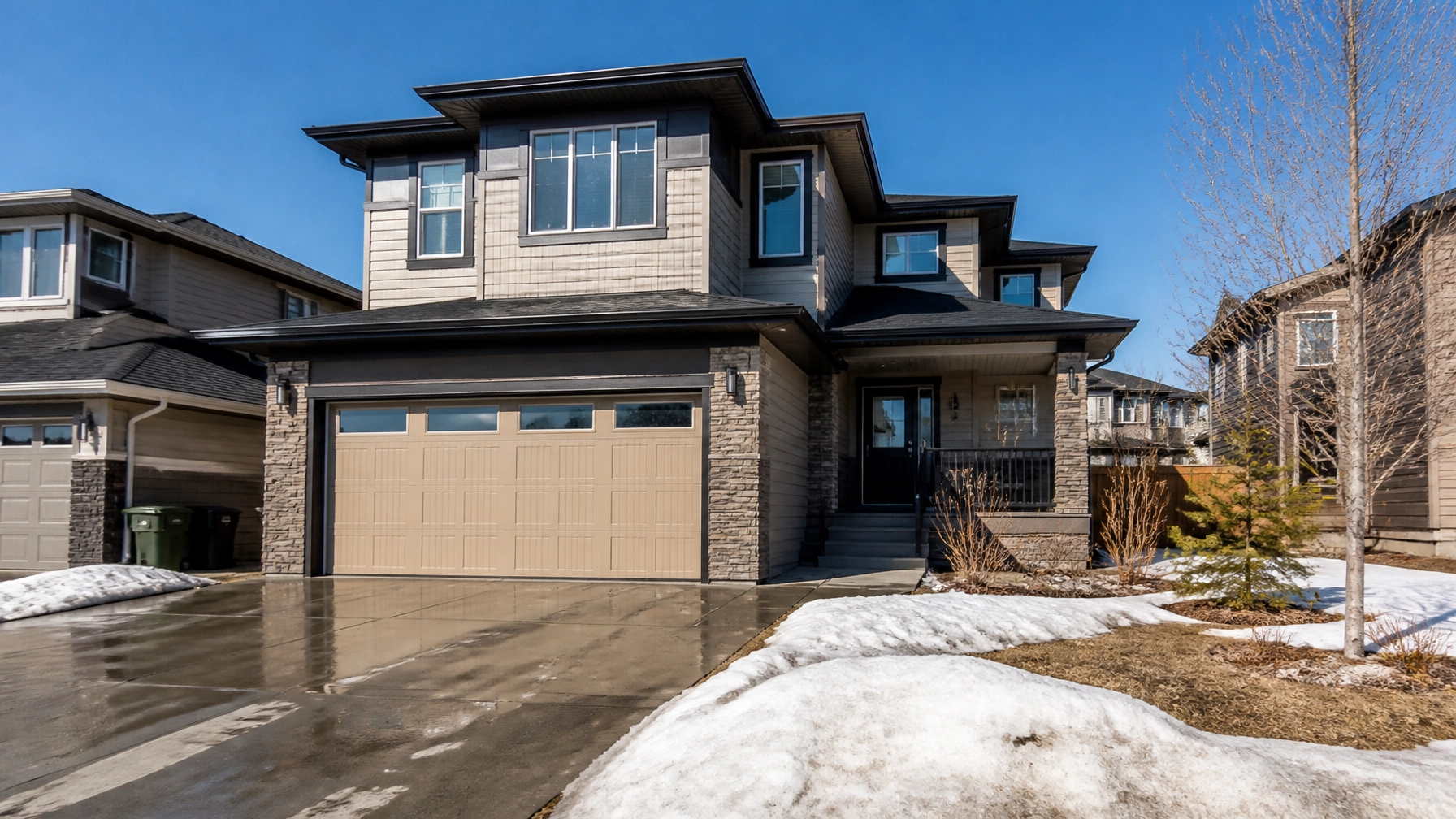
Buying or selling a home in Edmonton isn't just about floor plans and curb appeal; it’s about understanding how our unique Alberta climate treats the structures we live in. If you’ve lived through an Edmonton winter, you know the drill: -30°C one week, followed by a surprise +5°C "Chinook-lite" the next.
While we might enjoy the brief break from the cold, these temperature swings are incredibly hard on a house. In fact, Edmonton experiences roughly 50 to 90 freeze-thaw cycles every single year. Each one of those cycles is a mini stress test for your foundation, roof, and windows.
As a leading home inspector in edmonton, we’ve seen firsthand how these cycles can turn a minor issue into a major repair. Let’s break down the most common questions we get about our climate and how it affects your property.
A freeze-thaw cycle occurs whenever the temperature fluctuates above and below the freezing point (0°C). In Edmonton, this happens constantly during the fall and spring.
Here is the science: When water (from melted snow or rain) gets into porous materials like concrete, wood, or soil, it sits there. When the temperature drops, that water freezes and expands by about 9%. That expansion exerts massive internal pressure. When it thaws, the water retreats, leaving behind slightly larger cracks or voids.
In a city with nearly 91 cycles in a bad year, this process acts like a slow-motion jackhammer on your home’s exterior. This is why a professional edmonton house inspection is so critical before you sign on the dotted line.
If you’ve noticed the surface of your foundation flaking off or crumbling, you’re looking at spalling.

Because concrete is porous, it absorbs moisture. During Edmonton's frequent freeze-thaw events, the water inside the concrete surface expands and "pops" the face of the concrete off.
When we perform home inspections edmonton, we check these areas with moisture meters and thermal imaging to see if the damage is skin-deep or a sign of something worse.
Edmonton’s soil is often heavy in clay, which holds a lot of water. When that water-logged soil freezes, it creates "frost heave." This can push upward (lifting your driveway or walkway) or laterally (pushing against your basement walls).
Over time, this repeated "pushing and pulling" causes:
This is a major reason why pre-purchase home inspections in Edmonton are essential. We look for these subtle signs of movement that the untrained eye might miss.
In Alberta, "The Big Melt" usually happens in March or April. A winter’s worth of snow melts in a matter of days. If your yard isn’t properly graded: meaning the soil doesn't slope away from the house: all that water will pool against your foundation.

Combined with freeze-thaw cycles, this creates hydrostatic pressure. The water is literally forced through any tiny crack in your foundation. Home inspections edmonton alberta frequently reveal that 90% of basement leaks could have been prevented with a simple $500 grading fix.
Pro Tip: Always extend your downspouts at least 6 feet away from your foundation to prevent water from cycling back into your weeping tile.
While they look pretty, large icicles and "ice dams" are red flags. An ice dam happens when heat escapes from your house into the attic, melting the snow on the roof. That meltwater runs down to the cold eaves and freezes into a block of ice.

The ice dam blocks further meltwater, which then "backs up" under your shingles. According to InterNACHI standards, this is a leading cause of attic mold and interior ceiling damage in northern climates. During an edmonton home inspector visit, we check your attic's insulation and ventilation to ensure heat isn't escaping where it shouldn't.
Absolutely. Different materials expand and contract at different rates. Your PVC window frame, the glass, and the wooden rough opening of your house all move differently when the temperature swings 20 degrees in a day.
This movement stresses the caulking and the seals between the glass panes. If you see fogging between your window panes, the seal has failed. This doesn't just look bad; it ruins your home’s energy efficiency. We use thermal imaging to find these hidden drafts that are driving up your heating bills.
One of the most common questions we get is: "If the basement is finished, how do you know if the foundation is cracked?"
This is where technology meets experience. As an expert home inspector in edmonton, we don't just rely on our eyes. We use:

Our climate is beautiful, but it is undeniably tough on buildings. Whether you are a first-time buyer or a seasoned investor looking at commercial property, understanding the freeze-thaw cycle is your best defense against unexpected costs.
At InspecUs, we provide the most detailed house inspection edmonton has to offer. With over 10 years of experience and a deep background in the construction industry, we know exactly where Edmonton’s weather likes to hide its damage.
Don't let the "Big Melt" catch you off guard.
Whether you need a residential check-up or a comprehensive home inspection edmonton ab for a new purchase, we are here to help. Our reports are delivered the same day with high-resolution photos and clear, actionable advice.
Contact InspecUs today to book your certified home inspection.
We are licensed by the Licensed Professional and certified through InterNACHI

InspecUs Home Inspection is certified in the best practices established by Internachi. Our commitment to safety includes maintaining a 6-foot distance and using personal protective equipment (PPE) during all inspections.

© 2024 InspecUs - All Rights Reserved. | Sitemap | Developed by Integrated Marketing Platform Inc.