 7132 178 St NW,
 Call us:


 Call us780-809-1056
- Mail usinfo@inspecus.ca
- Schedule An Inspection
Call us780-809-1056

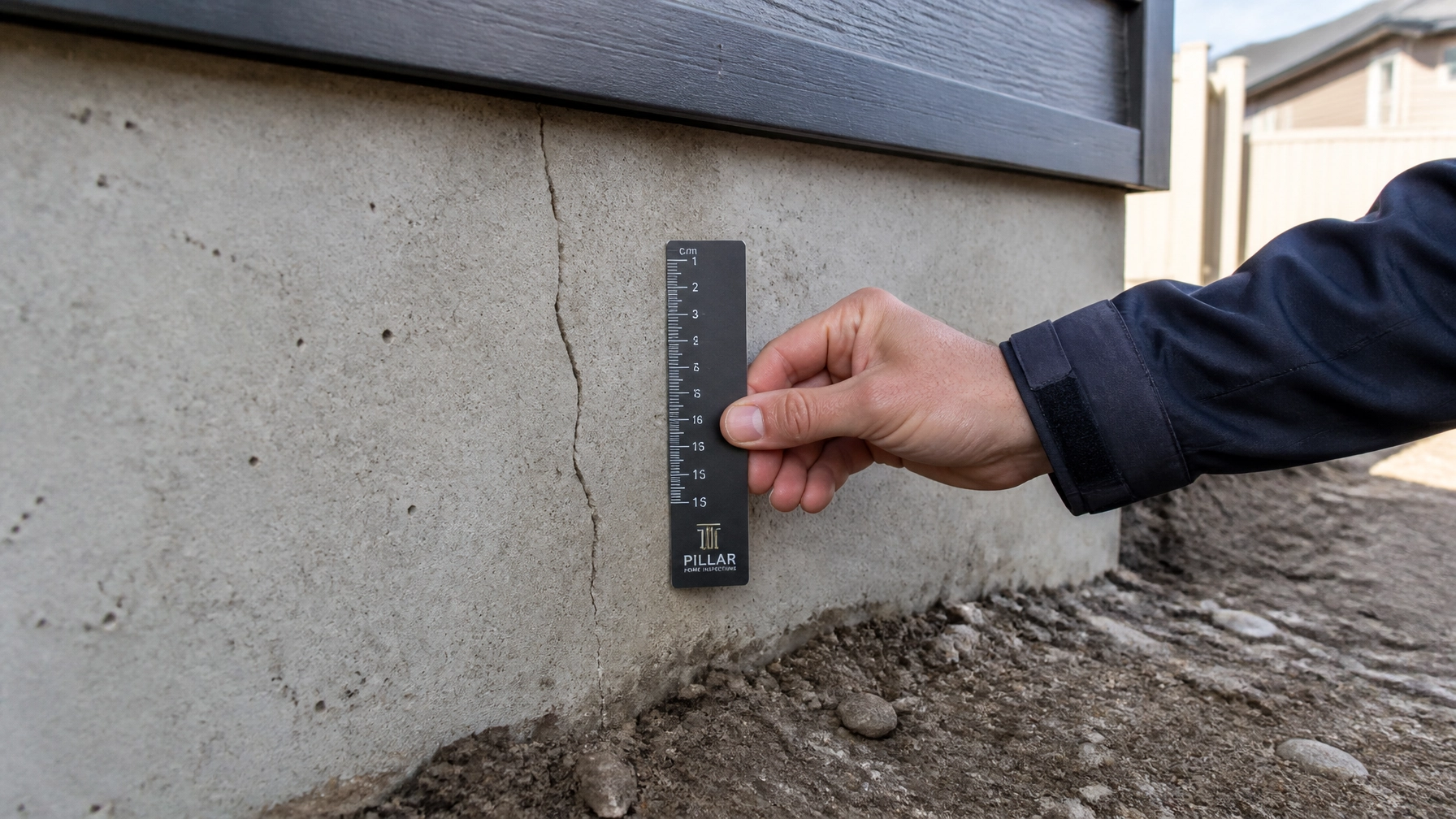
If you’ve lived in Edmonton for more than one season, you know our weather doesn't do "moderate." We swing from -40°C deep freezes to +30°C summer heat, often with a rapid-fire series of thaws and freezes in between.
For a homeowner, this isn't just about switching from parkas to T-shirts: it’s about the massive amount of pressure being put on your home’s foundation. At InspecUs, we’ve conducted thousands of home inspections in Edmonton, and foundation concerns are easily the most common anxiety for buyers and sellers alike.
Let’s break down the five most critical questions we hear every day about Edmonton foundations.
It’s a combination of geology and geography. Most of the Edmonton area sits on "expansive" clay soil (often containing bentonite). This soil acts like a sponge: it swells significantly when wet and shrinks when dry.
When you add Alberta’s notorious freeze-thaw cycle to the mix, things get complicated. As moisture in the soil freezes, it expands by about 9%. This creates "frost heave," which exerts tremendous lateral pressure against your foundation walls. Over decades, this constant "push and pull" can lead to shifting, cracking, and water entry.
Pro Tip: This is why pre-purchase home inspections are vital in our region. You need to know if that 40-year-old bungalow has weathered the storm or is starting to buckle under the pressure.
Not every crack is a catastrophe, but some are definitely a cry for help. When we walk through a property, our team looks for these specific indicators of structural movement:
If you notice these, it’s time to call in a pro. We use thermal imaging and moisture detection to see what’s happening behind the finished basement walls: something a standard visual check might miss.

Here’s the thing: many foundation issues are hidden behind drywall, insulation, and "nice" basement renovations. You might not see a crack, but you’ll definitely feel the moisture.
Thermal imaging cameras detect tiny differences in surface temperature. Because wet insulation or damp concrete stays cooler than dry materials, it shows up as a dark blue or purple "bloom" on our screens. According to InterNACHI standards, using advanced tools like infrared cameras allows inspectors to provide a much more thorough evaluation of a home’s "hidden" health.
At InspecUs, every inspection comes with thermal imaging. It’s the difference between guessing if a basement is dry and knowing it is.
The short answer? Not necessarily.
Most homes in Edmonton will have some minor hairline cracks. According to the Canada Mortgage and Housing Corporation (CMHC), small shrinkage cracks are common in concrete and often don't affect the structural integrity of the home.
However, if an inspection reveals an active structural issue, you have options:
Our detailed same-day reports include high-resolution images and clear explanations, giving you the leverage you need at the negotiating table.
Prevention is significantly cheaper than a $20,000 foundation repair. Here are the three most important things you can do today:

Foundation issues in Edmonton are a reality of our climate, but they don't have to be a nightmare. Whether you are buying a new townhome in Sherwood Park or selling a commercial property in St. Albert, understanding the state of your foundation is the first step to peace of mind.
Ready for a clear, unbiased look at your property?
Book your InspecUs inspection today and get a comprehensive report: including thermal imaging( delivered the very same day.)
We are licensed by the Licensed Professional and certified through InterNACHI

InspecUs Home Inspection is certified in the best practices established by Internachi. Our commitment to safety includes maintaining a 6-foot distance and using personal protective equipment (PPE) during all inspections.

© 2024 InspecUs - All Rights Reserved. | Sitemap | Developed by Integrated Marketing Platform Inc.