 7132 178 St NW,
 Call us:


 Call us780-809-1056
- Mail usinfo@inspecus.ca
- Schedule An Inspection
Call us780-809-1056

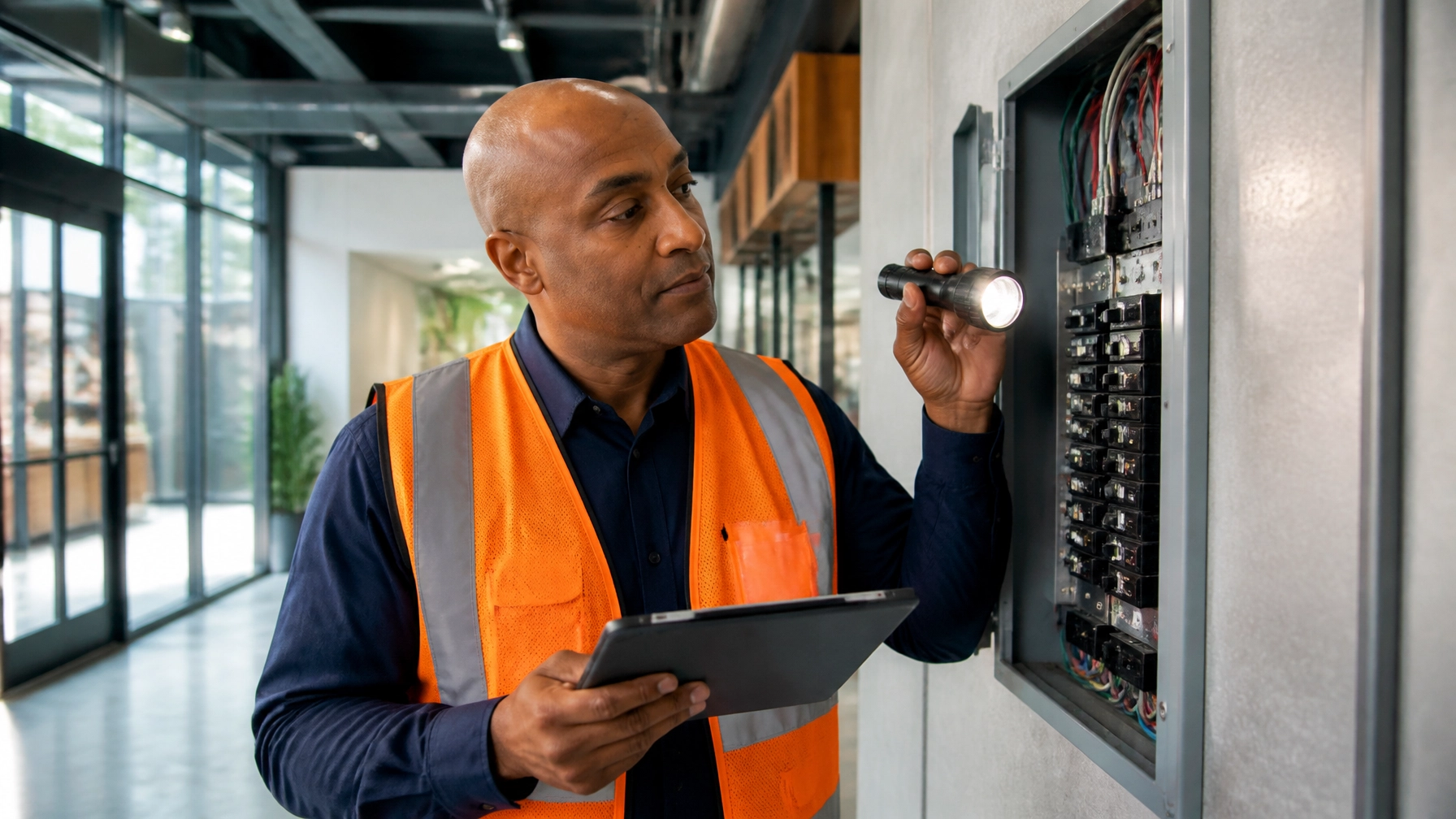
Direct answer: A commercial property inspection in Edmonton is a visual, non-invasive review of a building’s site, structure, roof, envelope, electrical, HVAC, plumbing, life-safety systems, accessibility and maintenance condition. For buyers, it identifies safety concerns, deferred capital costs and specialist questions before commercial due diligence is complete.
Buying an office, retail unit or warehouse is a significant investment. A polished building can still contain aging equipment, drainage problems, undocumented renovations or expensive deferred maintenance.
I’m Banti K Shaw, and I bring more than 10 years of construction and inspection experience to every property assessment. My goal is not to make the decision for you. It is to give you clear, evidence-based information so you can understand the building before you commit.
“In commercial inspections, the most expensive problem is often not the defect you can see. It is the system, document or maintenance history that nobody verified.” : Banti K Shaw
A private inspection is different from a City of Edmonton permit inspection. City inspections are point-in-time audits related to permits and minimum safety standards. A buyer’s inspection supports the commercial due diligence process by examining observable conditions and identifying risks that may require further investigation.
A commercial building inspection checklist should begin before the site visit. First, confirm exactly what is included in the transaction:
Request available records, including:
The City’s commercial inspections guidance explains how permits, inspection stages and occupancy documentation relate to commercial construction and alterations. However, document review does not replace a physical inspection.
Pro tip: Ask for records before your condition-removal deadline. Missing documents may be a due-diligence finding in themselves.
The site can explain problems inside the building. During a commercial property inspection in Edmonton, I look for:
In an office building inspection, envelope deficiencies may appear as drafts, stained ceiling tiles or uneven temperatures. In retail, damaged storefront glazing or entrance drainage can affect safety and customer access. In a warehouse inspection, slab condition, column impacts and overhead doors may have direct operational consequences.

A roof failure can disrupt operations and create damage across multiple floors. I assess accessible roof areas and visible roof components for:
A visual inspection cannot determine the remaining service life of every roof assembly. Roof age, repair history, warranty terms and weather conditions all matter. Where the roof is a major investment risk, a qualified roofing contractor may be appropriate for a detailed assessment and budget quote.
Electrical capacity and condition can affect safety, tenant improvements and business continuity. I document observable concerns involving:
An office may need capacity for servers, workstations and charging equipment. Retail properties may require substantial lighting, signage and refrigeration loads. Warehouses may have dock equipment, industrial machinery or high-bay lighting.
I do not certify electrical code compliance or perform destructive testing. If I observe overheating, obsolete equipment, suspected overloading or other significant concerns, I recommend review by a licensed electrical professional.
Heating and ventilation problems are especially important in Edmonton’s climate. During an inspection, I record equipment type, visible condition, approximate age where available and observable operating concerns involving:
For offices, comfort and ventilation affect employee productivity. For retail, temperature control influences customers and merchandise. For warehouses, unit heaters, destratification fans and make-up air may be essential to operations.

“I look beyond whether equipment turns on. I want buyers to understand its condition, operating history and likely maintenance needs.” : Banti K Shaw
Water-related problems can damage finishes, inventory, equipment and structure. I inspect accessible plumbing components and look for:
A commercial inspection can identify indicators of moisture; it cannot provide a full environmental assessment or guarantee that concealed mould, asbestos or contamination is absent. If conditions warrant, arrange specialized mould, asbestos, air-quality or environmental testing.
For properties with a history of backups or older underground lines, a dedicated sewer scope inspection may provide useful additional information.
Life-safety concerns should be prioritized immediately. I review observable conditions involving:
This is not a fire-code certification or accessibility audit. A fire-protection contractor, safety-code professional or accessibility specialist may be needed for formal compliance verification.
Alberta employers and property operators should also consult the current Alberta Occupational Health and Safety Act, Regulation and Code for applicable workplace requirements.

An office building inspection should consider more than walls and finishes. Pay particular attention to:
Previous tenant improvements may not match current plans or intended occupancy. Confirm that significant alterations and changes of use were properly documented with the owner, municipality and relevant professionals.
Different commercial uses create different risks.
Check:
Check:
Racking, cranes, conveyors and industrial equipment may require separate specialist assessments. Do not treat a general inspection as an engineering approval for structural loads or equipment capacity.
A useful report separates conditions by urgency and consequence. I typically help buyers distinguish:
Specialist involvement may be appropriate for:
Our commercial property inspection service is designed to give buyers a practical condition overview. InspecUs uses advanced reporting tools, high-resolution images and reviews more than 100 items in a typical inspection. Reports are delivered promptly, generally within 24 hours, so you can keep your due-diligence process moving.

Read the report with your intended use in mind. Before removing purchase conditions, it also helps to understand how to review inspection reports and next steps. A condition that is manageable for an office may be critical for a warehouse or retail operation. Ask:
“My role is to report what I observe honestly and without third-party influence. Your lawyer, engineer, environmental consultant and financial advisor should handle the decisions within their professional scopes.” : Banti K Shaw
If you are evaluating an office, retail property or warehouse in Edmonton or the surrounding area, a commercial property inspection can give you a clearer starting point. You are welcome to contact InspecUs for a quote and discuss the property, timeline and inspection scope without pressure.
Meta description: A commercial property inspection in Edmonton reveals costly risks in offices, retail spaces and warehouses before you buy, helping protect your 2026 investment.
A commercial inspection typically reviews accessible site areas, structure, envelope, roof, electrical, HVAC, plumbing, life-safety features, accessibility indicators and visible deferred maintenance. The scope should be confirmed for the specific property and intended use.
No. A general inspection identifies observable conditions and recommends further evaluation when needed. Structural engineering, environmental testing, hazardous-materials assessments, legal review, financial analysis and code certification require appropriately qualified specialists.
It may not be legally required in every transaction, but it is a valuable part of commercial due diligence. Inspection findings can help you understand repair priorities, negotiate responsibly and plan future capital spending before removing purchase conditions.
We are licensed by the Licensed Professional and certified through InterNACHI

InspecUs Home Inspection is certified in the best practices established by Internachi. Our commitment to safety includes maintaining a 6-foot distance and using personal protective equipment (PPE) during all inspections.

© 2024 InspecUs - All Rights Reserved. | Sitemap | Developed by Integrated Marketing Platform Inc.