 7132 178 St NW,
 Call us:


 Call us780-809-1056
- Mail usinfo@inspecus.ca
- Schedule An Inspection
Call us780-809-1056

Meta description: Learn what a commercial property inspection in Edmonton checks, typical 2026 costs, timelines, red flags and how investors use reports before closing.
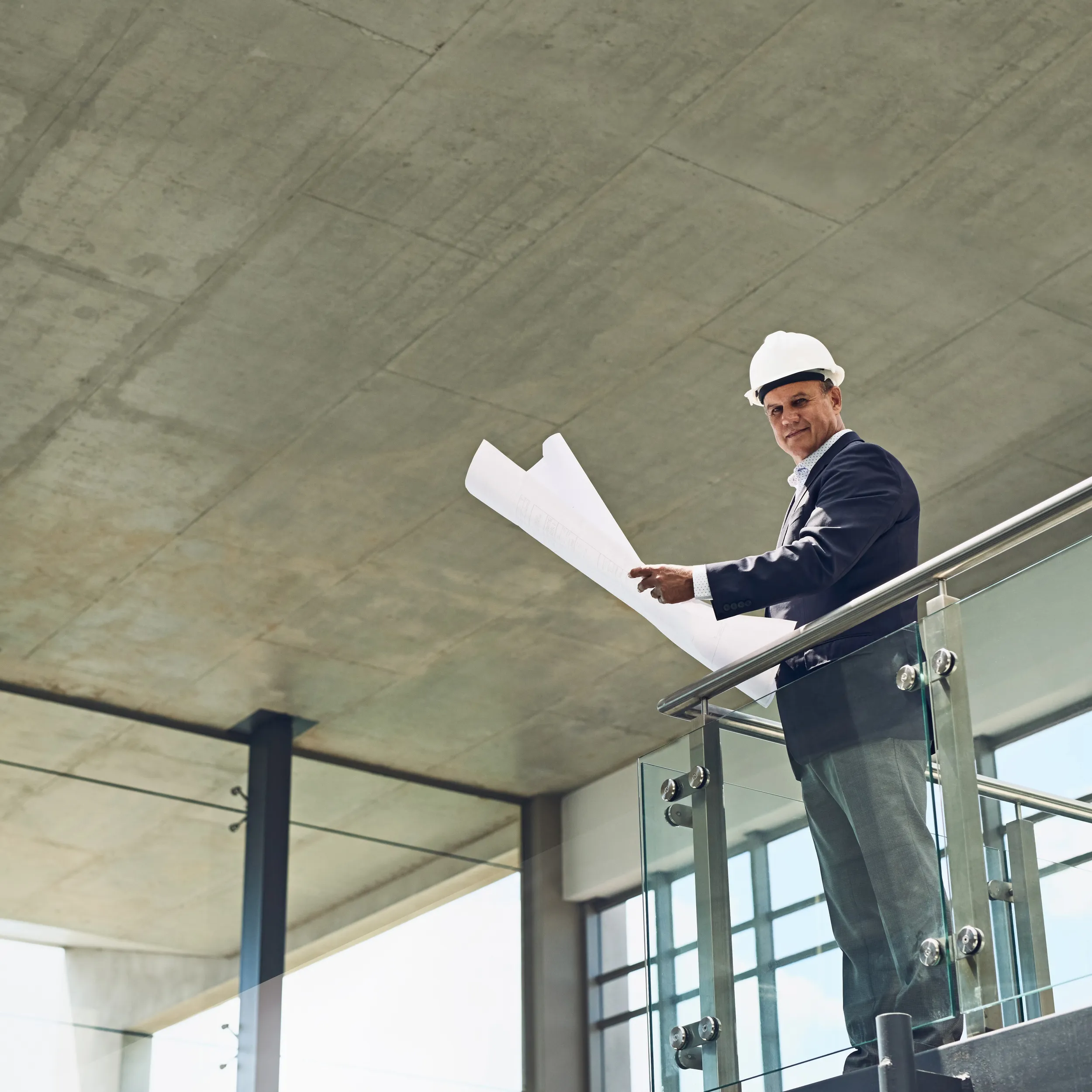
A commercial property inspection in Edmonton is a visual, non-invasive assessment of a building’s structure, roof, envelope, mechanical systems, electrical service, plumbing, life-safety features and site conditions. In 2026, buyers should generally budget about $1,000–$4,500+, depending on size, building type and inspection scope.
Are you buying a building based mainly on its location, tenant income or seller’s disclosures? Those details matter, but they do not tell you what the property may cost to operate, repair or replace after possession.
A commercial property inspection gives you an independent view of the building’s current condition before you commit your investment capital. I assess accessible components, identify material defects and maintenance concerns, and help you understand which issues may require immediate attention or long-term budgeting.
This service can support buyers of:
“My goal is not to make the decision for you. It is to give you clear, unbiased information so you can decide what the property is truly worth and what it may require after closing.”- Banti K Shaw
The inspection is typically visual and non-invasive. It is not a guarantee that concealed defects do not exist, and it does not replace engineering, environmental, legal, accounting or specialist assessments where those are needed.
Which building systems deserve the closest attention? Commercial buildings have more complex infrastructure and greater operating demands than most homes. The exact scope should be confirmed in writing, but a comprehensive commercial inspection commonly reviews the following.
I look for visible conditions affecting the roof and exterior enclosure, including:
A roof that appears functional may still be approaching replacement age. Understanding its remaining service expectations is important for your capital plan.
The inspection may identify visible concerns involving:
A commercial inspection is not a substitute for a structural engineer when serious movement, capacity or design concerns are observed. However, it can identify conditions that justify further investigation.
Heating, ventilation and air-conditioning systems can have a major effect on tenant comfort, energy costs and business continuity. I review accessible equipment and visible conditions such as:
Will the electrical system support your intended use? That question is especially important for restaurants, workshops, warehouses and businesses adding equipment.
The inspection considers:
I do not certify that an installation complies with every current code requirement. For upgrades or specialized equipment, an electrical contractor or engineer may be required.
The review includes accessible water distribution, drainage and plumbing fixtures. In older Edmonton buildings, I pay attention to:
Where appropriate, a sewer scope inspection can provide additional information about buried sewer lines that cannot be evaluated during a standard visual inspection.
Commercial buyers should ask for available documentation and observe conditions involving:
The City of Edmonton provides commercial building inspection and permit information through its commercial building inspections resources. Building owners should also confirm occupancy-specific requirements with the appropriate authority.
Site conditions affect maintenance costs and the risk of water entering the building. I review accessible areas such as:
Can you use a residential home inspection checklist for a warehouse or retail building? Not reliably.
A residential inspection focuses primarily on a single dwelling and its household systems. A commercial inspection must consider the building’s use, tenant improvements, larger mechanical systems, service capacity, accessibility, life safety, site infrastructure and future capital needs.
Commercial inspections also commonly involve more documentation, more equipment and more coordination with owners, property managers, tenants, contractors and lenders.
For comparison, a residential buyer may benefit from a focused pre-purchase home inspection, while a commercial buyer typically needs a customized scope based on the building and intended use.
What should you budget before requesting a quote? As a general Edmonton planning range:
These are budgeting ranges, not fixed prices. Your quote may be affected by:
A Phase I ESA is separate and commonly costs several thousand dollars. A reserve fund or capital replacement study is also a separate service, particularly for multi-family, mixed-use and larger investment properties.
Will the inspection be completed before your condition date or financing deadline? A small commercial building may take approximately two to three hours on site. Larger facilities, multi-tenant buildings and properties with extensive mechanical systems may require half a day or longer.
The full process may include:
At InspecUs, the report is provided the same day or within 24 hours, depending on the agreed scope and property complexity. That turnaround can help you evaluate conditions before a condition-removal deadline, financing decision or negotiation window expires.
Which findings should prompt further investigation or negotiation?
A roof nearing the end of its service life
Repeated patches, brittle membranes, exposed seams or interior staining may indicate an approaching capital expense.
Undersized electrical service
A building may be suitable for its current tenant but unable to support your intended business without costly upgrades.
Patched asphalt and ponding drainage
Recurring patches, standing water or poor grading can point to drainage, base failure or future paving costs.
HVAC equipment beyond its expected service life
Frequent repairs, obsolete components or inconsistent temperatures may signal replacement risk.
Unrepaired water intrusion
Staining, musty odours, damaged finishes or elevated moisture can indicate an active or recurring building-envelope problem.
Unpermitted tenant improvements or additions
Altered walls, mezzanines, electrical work or plumbing may require permit and safety verification.
Missing or expired fire-safety documentation
Ask for service records, inspection tags, fire alarm documentation and relevant occupancy information.
Poly-B or galvanized plumbing in older buildings
These materials may be associated with aging, corrosion or leak concerns and deserve closer evaluation.
Is environmental due diligence included automatically? No. A standard commercial building inspection generally does not include a Phase I Environmental Site Assessment.
A Phase I ESA is performed by an environmental professional and focuses on historical land use, records, interviews and potential contamination sources. Alberta’s Environmental Site Assessment Standard explains the required process.
Consider one when the property has a history involving fuel storage, automotive work, dry cleaning, industrial activity, chemical handling or other potentially contaminating uses.
Is a residential inspector automatically qualified for commercial work? Residential inspection experience is not the same as commercial inspection experience.
Choose an inspector who understands commercial roofs, larger mechanical systems, electrical distribution, tenant improvements, life-safety concerns and capital planning. Ask for the proposed scope, exclusions, report format and relevant commercial experience before booking.
Can you treat the inspection cost as part of the purchase financing? Tax treatment depends on how you use the property, how the expense is recorded and current guidance from your accountant. Ask your CPA whether it is a current expense, capitalized cost or otherwise deductible.
Lenders may consider inspection findings during underwriting, but inspection fees are not automatically added to a mortgage. Confirm financing treatment directly with your lender or broker.
Do you need an inspection if you are only leasing the space? Often, yes.
Before leasing, an inspection can help you understand:
For a purchase, the inspection evaluates the asset and future ownership risk. For a lease, it helps define responsibilities and reduces disputes over pre-existing conditions.
What should you do after receiving the report? Do not treat every item as an emergency. Organize findings by:
You may then request:
“A good report is a decision-making tool. It should help you separate normal maintenance from risks that could materially change the economics of the property.”- Banti K Shaw
If you are evaluating a retail space, office, warehouse, multi-family building or small business property, you can review InspecUs’ commercial property inspection service in Edmonton and request a scope suited to the building. A clear inspection before closing can give you the information needed to proceed confidently, renegotiate fairly or walk away before a costly surprise becomes your responsibility.
We are licensed by the Licensed Professional and certified through InterNACHI

InspecUs Home Inspection is certified in the best practices established by Internachi. Our commitment to safety includes maintaining a 6-foot distance and using personal protective equipment (PPE) during all inspections.

© 2024 InspecUs - All Rights Reserved. | Sitemap | Developed by Integrated Marketing Platform Inc.