 7132 178 St NW,
 Call us:


 Call us780-809-1056
- Mail usinfo@inspecus.ca
- Schedule An Inspection
Call us780-809-1056

Meta description: Use Banti K Shaw’s Edmonton fall home inspection checklist to check your furnace, roof, drainage, attic, windows, moisture, and indoor air before winter.
Edmonton’s first hard frost can arrive sooner than expected. Early September is the right time to inspect your home’s exterior, heating equipment, drainage, and indoor air systems: before snow, freezing temperatures, and freeze-thaw cycles make repairs more difficult.
The seven most important pre-winter checks are:
I’m Banti K Shaw, founder and chief inspection officer at InspecUs. With more than 10 years of inspection experience and a background in construction, I look beyond surface-level maintenance. My goal is to help you identify small concerns before Edmonton’s winter turns them into expensive repairs.
“Winter preparation is not about making your home perfect in one weekend. It is about finding the conditions that allow water, cold air, or combustion gases to enter: and correcting them before the weather exposes the weakness.” : Banti K Shaw
Here is my practical fall home inspection checklist for Edmonton homeowners.
Your furnace may have worked reliably last winter, but that does not guarantee it is ready for another season of continuous heating.
Before temperatures drop, check:
A dirty filter can reduce airflow and increase strain on the blower. A blocked intake or exhaust pipe can affect combustion and, in some situations, contribute to dangerous carbon monoxide conditions.
For additional context, review our guide to the most common problems found in Edmonton home inspections, which includes HVAC and ventilation concerns.
Pro tip: Do not wait for the first cold snap to test your furnace. If it fails during a busy service period, you may face longer wait times.
If you notice unusual furnace behaviour, consider booking a certified home inspection in Edmonton before winter arrives.

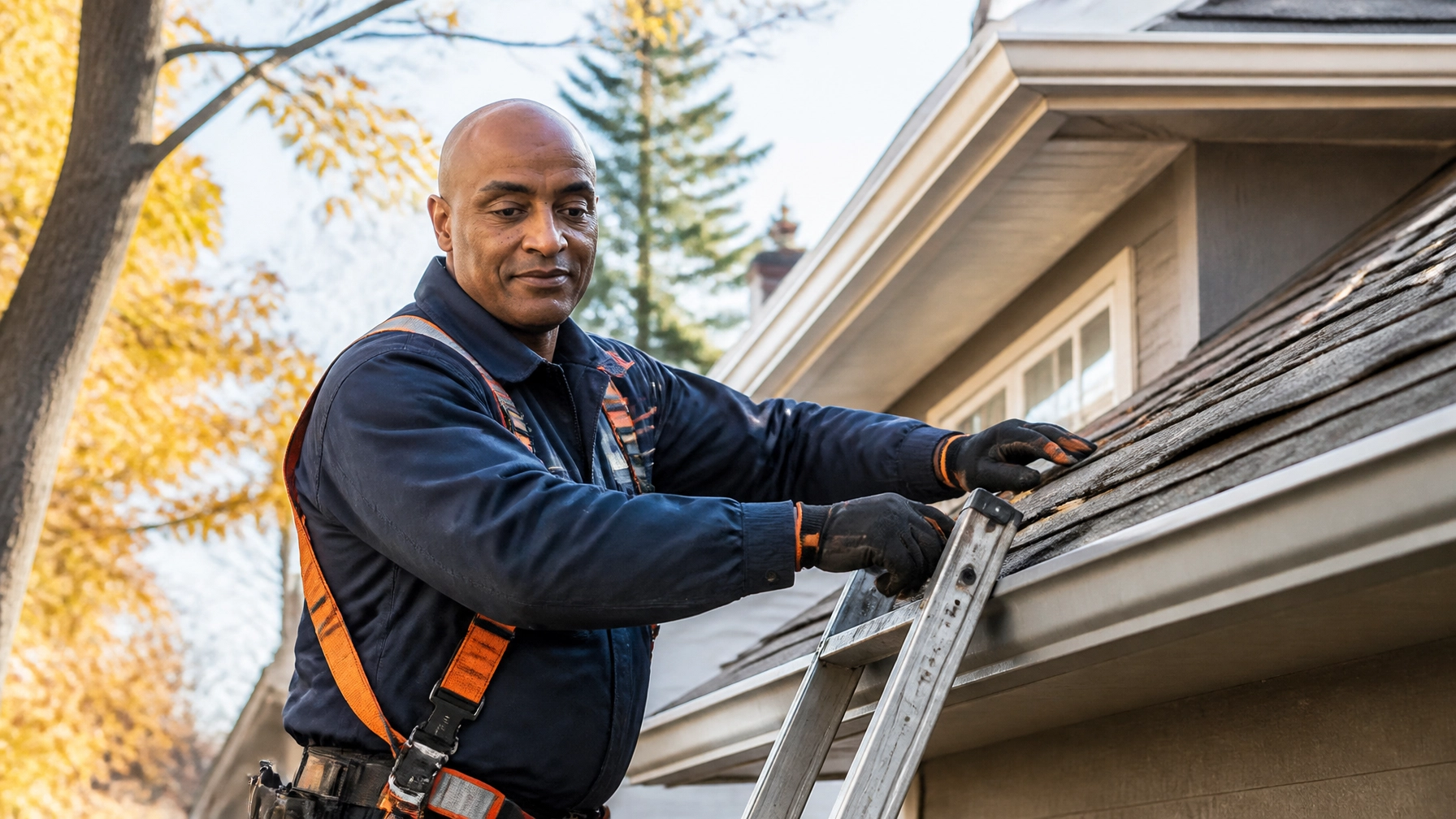
Your roof is exposed to Edmonton’s wind, snow, sun, and repeated freeze-thaw cycles. Fall is one of the best times to identify damage while the roof and drainage systems are still accessible.
Look for:
Clean leaves and debris from the gutters after most of the leaves have fallen. Then run water through the system to confirm it flows freely. Downspouts should discharge water away from the foundation: not directly beside it.
EPCOR’s seasonal home maintenance guidance recommends directing water at least two metres away from the home. Follow safe ladder practices, watch for overhead power lines, and hire a professional if roof access is unsafe.
Ice dams are not caused by one issue alone. Heat loss through the attic, inadequate ventilation, snow cover, and blocked drainage can combine to allow ice to form along the roof edge. A fall roof and attic review can help identify the conditions before they become visible leaks.
Low-pressure next step: If you are unsure whether roof wear is cosmetic or a genuine water-entry risk, a professional inspection can give you a documented assessment before winter.
What happens around your foundation during a fall rainstorm is a useful preview of what may happen during spring thaw.
Walk around the property and check:
Negative grading can direct rainwater and melting snow toward the basement. In Edmonton, repeated freezing and thawing can enlarge small cracks and increase pressure against foundation walls.
Clear window wells and confirm they can drain. If you have a swale, catch basin, or drainage channel, remove leaves and debris so water can move freely.
Avoid adding soil directly against the exterior wall without checking siding clearances and drainage details. A quick landscaping fix can sometimes create a new moisture problem.
For local drainage and flood-prevention information, EPCOR’s home maintenance checklist is a useful reference.
If you see persistent pooling, foundation staining, or basement seepage, arrange an inspection before the ground freezes.
Can you feel a draft near an exterior door or window? Do you see cracked caulking, peeling trim, or condensation between panes?
These signs may indicate failed weatherstripping, deteriorated sealant, or a damaged window unit.
Inspect:
Drafts increase heating demand and can make rooms uncomfortable. Failed exterior seals can also allow wind-driven rain or melting snow into the wall assembly.
Replace worn weatherstripping and repair small, accessible caulking failures with the correct exterior-rated product. If you see staining, softness, or recurring moisture, do not simply cover it with new sealant. The underlying cause should be investigated first.
Our article explaining what to expect during an Edmonton property inspection describes how inspectors assess windows, doors, exterior elements, and moisture conditions.
Your attic plays a major role in winter comfort, energy efficiency, and roof durability. It should be cold and well-ventilated: not warm, damp, or frosted.
From a safe and accessible location, look for:
Inadequate insulation allows more heat to escape into the attic. Poor ventilation can trap moisture. Together, these conditions can contribute to frost, mould growth, wood deterioration, and ice dams.
Do not enter an attic if there is no safe walkway or if insulation may contain hazardous materials. Also, never bury recessed lights or electrical components unless they are rated and installed for contact with insulation.
InspecUs can use thermal imaging and moisture detection to identify unusual temperature patterns and moisture conditions that may not be visible during a basic walk-through.

Basement and crawlspace moisture problems can remain hidden until snowmelt or heavy rain overwhelms the drainage system.
Test your sump pump by slowly adding water to the sump pit. Confirm that:
In Edmonton, discharge arrangements can vary by property. Follow the manufacturer’s instructions and local utility guidance. EPCOR provides information on sump pumps and flood prevention.
In an accessible crawlspace or basement, look for:
Moisture can enter through foundation cracks, plumbing leaks, poor grading, or condensation. A moisture meter and thermal camera can help identify areas that deserve closer attention, but they do not replace a complete diagnosis by the appropriate specialist.
If your home has recurring odours or visible growth, consider a professional mould and moisture-related inspection.
Winter means closed windows, increased furnace use, and more time indoors. That makes indoor air safety especially important.
Complete these checks:
You should also consider radon testing, particularly if your home has a basement or regularly occupied lower level. Radon is an odourless, radioactive gas that can enter through soil and foundation openings. Health Canada recommends using a long-term test of at least 91 days when assessing the average annual radon level. The Canadian guideline is 200 Bq/m³.
Review the Government of Canada’s radon guideline for current testing and mitigation information.
A short test can provide an indication, but it should not replace long-term testing when deciding whether mitigation is required.
Should you wait until something fails? In my experience, proactive inspections are more useful and less stressful than emergency repairs.
Consider a fall inspection if:
At InspecUs, we inspect more than 100 items, use advanced tools such as thermal cameras and moisture meters, and provide an unbiased digital report with high-resolution images within 24 hours. As an InterNACHI-certified inspection company, we focus on clear findings, practical priorities, and ongoing support after the inspection.
You can start with our pre-purchase home inspection service or contact InspecUs to discuss your property and concerns.
A fall inspection is not a pass-or-fail test. It is a clear way to understand your home’s condition, prioritize repairs, and enter Edmonton’s winter with greater confidence.
We are licensed by the Licensed Professional and certified through InterNACHI

InspecUs Home Inspection is certified in the best practices established by Internachi. Our commitment to safety includes maintaining a 6-foot distance and using personal protective equipment (PPE) during all inspections.

© 2024 InspecUs - All Rights Reserved. | Sitemap | Developed by Integrated Marketing Platform Inc.