 7132 178 St NW,
 Call us:

 Call us780-809-1056
- Mail usinfo@inspecus.ca
- Schedule An Inspection
Call us780-809-1056

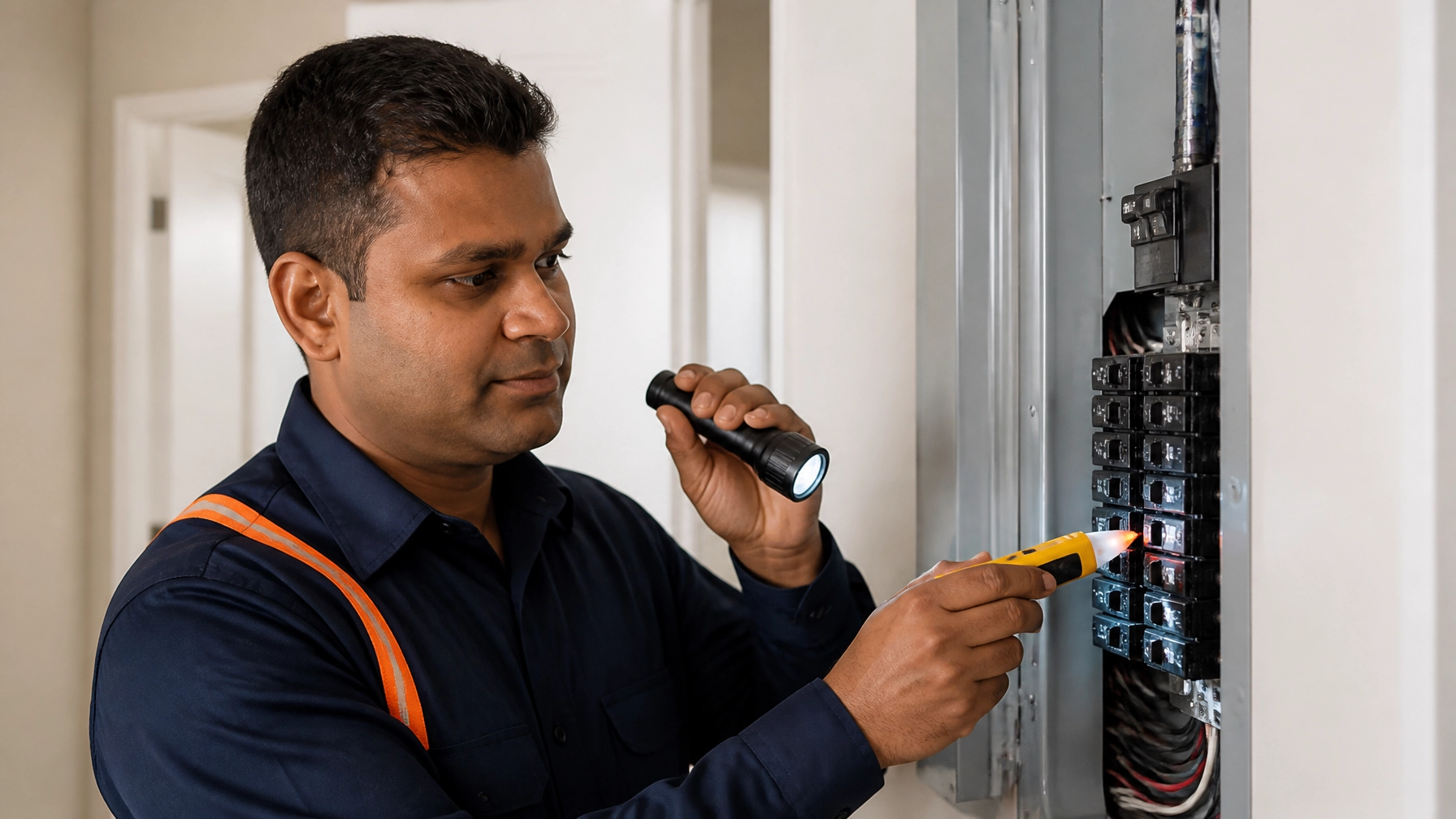
Direct answer: The best home inspector in Edmonton is an Alberta-licensed, properly insured professional with recognized certification, strong local experience, detailed reporting, and advanced diagnostic tools. Compare credentials, inspection scope, sample reports, reviews, communication, and turnaround time before protecting your investment with a thorough inspection.
Buying a home is one of the largest financial decisions you will make. A professional inspection helps you understand what you are purchasing before you commit to repairs, negotiations, and long-term ownership costs.
After more than 10 years working in inspections and construction, I have learned that the “best” inspector is not necessarily the cheapest or the one with the most impressive advertising. The right inspector is the professional who gives you honest, evidence-based information and explains what it means for your property.
“My job is not to make the property look good or bad. My job is to show you what is there, explain the risks clearly, and help you make a confident decision.”
, Banti K Shaw, InspecUs
Are you wondering whether a certification alone is enough? It is an important starting point, but you should evaluate credentials together with licensing, experience, insurance, and professional conduct.
Alberta requires home inspectors to be licensed under provincial consumer protection rules. Before booking, ask for the inspector’s current Alberta licence information and verify it through the official Alberta home inspector licence resource.
A professional should be comfortable answering questions about:
InterNACHI certification is one credential you may see when comparing Edmonton inspectors. Certified inspectors follow professional standards and a code of ethics. You can learn more through InterNACHI’s official resources.
Other credentials may also be relevant, especially for older, complex, or commercial properties:
Certification does not replace practical judgment. In my experience, construction knowledge provides valuable context because it helps an inspector understand how building systems interact, how defects develop, and which concerns deserve immediate attention.
Are you protected if an inspector misses a significant issue? Ask about insurance before the inspection, not after a problem appears.
A reputable inspector should carry:
Ask whether proof of insurance is available and whether the policy applies to residential, commercial, and specialized inspection services.
Insurance does not guarantee that every defect will be discovered. A home inspection is a visual, non-invasive assessment of accessible components, not a warranty or destructive investigation. However, documented coverage demonstrates that the inspector operates professionally and takes responsibility seriously.
Pro tip: Ask, “What are the limitations of your inspection, and what should I investigate separately?” A trustworthy professional will explain limitations rather than promise certainty.
Could an inspector from another market recognize the problems common in Edmonton? Local experience can make a meaningful difference.
Edmonton-area properties experience:
An inspector familiar with Edmonton and surrounding communities can help you distinguish routine maintenance from conditions that may require further evaluation.
When comparing candidates, ask:
At InspecUs, my construction background allows me to look beyond isolated symptoms. A small crack, damp odour, or uneven floor may have several possible causes. The inspection should document the observable condition and recommend the appropriate next step without exaggeration.

Are you receiving a full assessment or simply a quick walkthrough? Before hiring an inspector, confirm exactly what is included.
A comprehensive inspection typically reviews accessible portions of:
The property type also matters. You may need a different approach for:
Review InspecUs’ certified home inspection service to see how a professional inspection can assess major property systems. If you are purchasing, you can also explore our pre-purchase home inspection service.
Specialized tools can provide additional information. Thermal imaging may help identify temperature differences associated with moisture, insulation gaps, or electrical concerns. It does not replace visual inspection or confirm a defect by itself, but it can help identify areas that deserve closer evaluation.
Learn more about thermal imaging and moisture detection in Edmonton.
Would you know what to do after reading the report? A useful report should be detailed enough to support decisions while remaining clear enough for a homeowner to understand.
Before booking, request a sample or redacted report. Look for:
At InspecUs, every report examines more than 100 items and includes high-resolution images. We aim to deliver reports the same day or within 24 hours so you can make informed decisions within your transaction timeline.
“A report should not leave you searching online for every technical term. I believe your inspector should explain the finding, its likely significance, and the next reasonable step.”
, Banti K Shaw
You can also read our related home inspection insights and property inspection resource for additional guidance.

Are you comparing inspectors on price alone? A short conversation can reveal more than an online listing.
Ask each candidate:
A professional should answer clearly without pressuring you to use a particular contractor, realtor, lender, or repair company. Independent reporting matters because your inspector should work for your understanding, not for a third party’s transaction outcome.
Could a low price create a more expensive problem later? Be cautious if an inspector:
A professional inspection cannot predict every future failure. It can, however, give you a well-documented picture of visible conditions and help you decide when specialist evaluation is necessary.
Are you looking for an inspector who combines technical knowledge with straightforward communication?
InspecUs provides comprehensive residential and commercial inspections throughout Edmonton and surrounding areas. Our approach includes:
Our services include home, condo, townhome, acreage, commercial property, building, and small business inspections. We also provide specialized services such as air quality testing, mould and asbestos inspections, moisture detection, ozone treatment, and sewer scope inspections.

Start by confirming Alberta licensing, then evaluate recognized certification, relevant experience, insurance, inspection scope, report quality, and customer reviews. No single credential proves that an inspector is the right fit for every property.
Yes, when possible. Attending allows you to ask questions, understand the property’s systems, and learn which maintenance tasks may be important. Your inspector should explain significant findings without creating unnecessary alarm.
A home inspection is not always mandatory, but it is a valuable due-diligence step before purchasing a property. Your real estate contract and lender requirements may differ, so discuss transaction-specific questions with your realtor or legal professional.
Ask for a specific delivery timeline before booking. InspecUs provides same-day or within-24-hour reporting for many inspections, including high-resolution images and clear explanations.
Prioritize safety concerns, active moisture, structural concerns, and systems that may require specialist evaluation. Discuss unclear findings with your inspector and obtain qualified contractor or engineering opinions when recommended.
Choosing the best home inspector in Edmonton means choosing clarity, independence, technical competence, and responsive support. Compare the checklist above, confirm credentials and insurance, and select an inspector who will explain both the findings and their limitations.
If you are preparing to buy, sell, or manage a property, contact InspecUs for a quote and discuss the inspection that fits your property.
We are licensed by the Licensed Professional and certified through InterNACHI

InspecUs Home Inspection is certified in the best practices established by Internachi. Our commitment to safety includes maintaining a 6-foot distance and using personal protective equipment (PPE) during all inspections.

© 2024 InspecUs - All Rights Reserved. | Sitemap | Developed by Integrated Marketing Platform Inc.