 7132 178 St NW,
 Call us:

 Call us780-809-1056
- Mail usinfo@inspecus.ca
- Schedule An Inspection
Call us780-809-1056

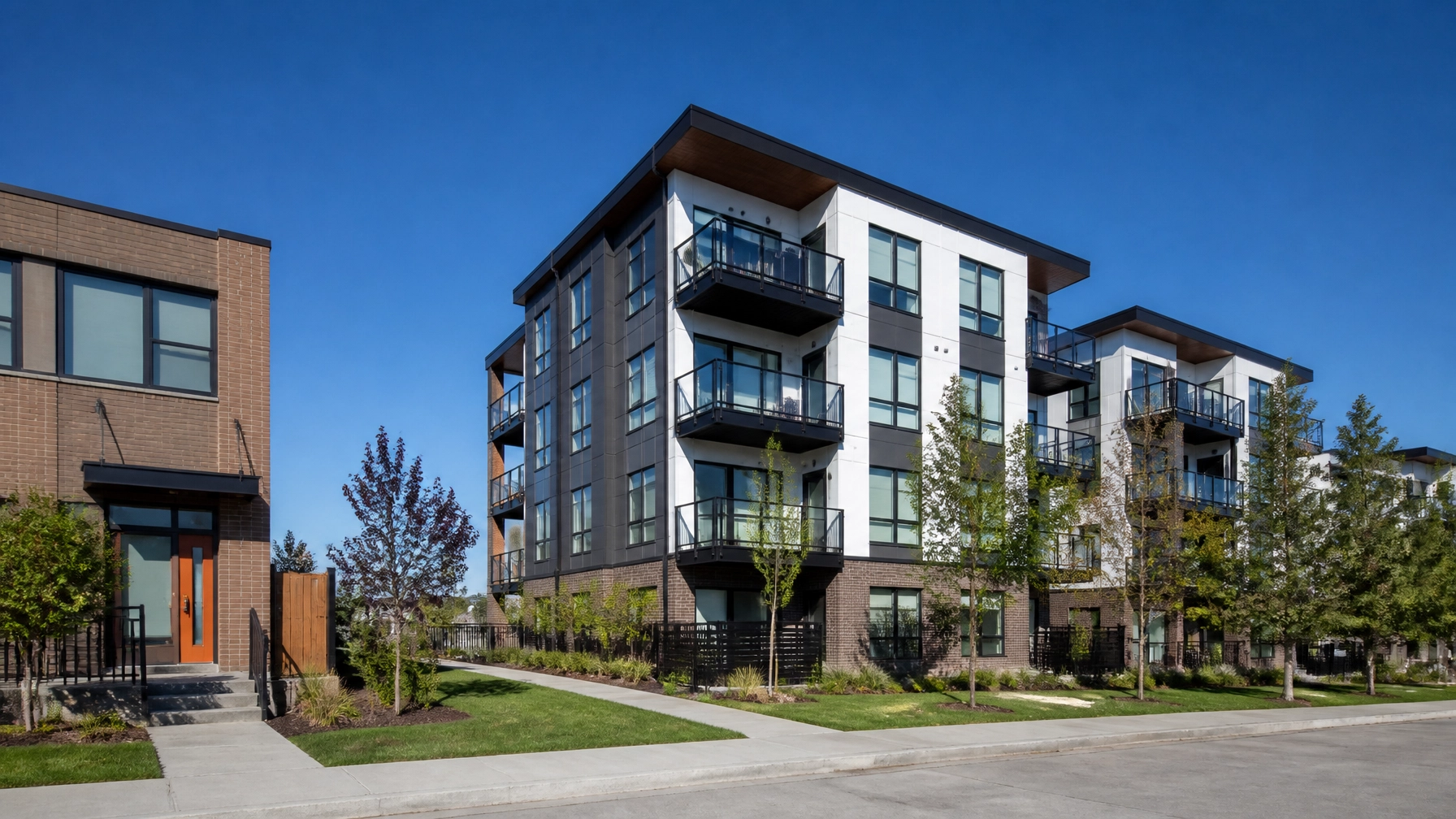
Buying a condo in downtown Edmonton or a family-sized townhome in Sherwood Park feels like a victory. You’ve navigated the competitive Edmonton real estate market, found the perfect layout, and your offer was accepted. But before you pop the champagne, there’s one critical step that often gets overlooked or misunderstood: the specialized property inspection.
Many buyers assume that because a condo board manages the building, a professional inspection isn't necessary. This is a risky assumption. While the board handles the "big stuff" like the roof and parking garage, you are responsible for everything from the drywall inward, and sometimes more.
Here’s the thing: a condo is a complex ecosystem. Issues in the unit next door or the common areas above you can quickly become your financial headache.
In this guide, our team at InspecUs breaks down the five most frequent questions we hear from buyers in Edmonton, St. Albert, and Spruce Grove to help you protect your investment.
When we inspect a detached home, we’re looking at everything from the soil to the shingles. With a condo, the scope is more surgical.
A certified home inspector follows specific InterNACHI standards for condos, focusing on the systems that exclusively serve your unit. This includes your electrical panel, internal plumbing, and individual heating/cooling units.
However, the "walls" aren't always the boundary. In many Edmonton townhomes and low-rise condos, "limited common elements", areas like your private balcony, patio, or front door, are often the unit owner's responsibility to maintain. We make it a point to inspect these areas because repair costs for a failing balcony membrane in Alberta's climate can be astronomical.
You might think, "It's a new building, why do I need high-tech tools?"
The reality is that thermal imaging inspection technology is arguably more important in a condo than in a house. In a multi-unit building, water travels. A leak in the unit two floors above you might not show a water stain on your ceiling yet, but an infrared camera can detect the temperature difference caused by moisture behind the drywall.

At InspecUs, we include thermal imaging with every pre-purchase inspection. In Edmonton's cold winters, we also use it to identify "thermal bridging" or missing insulation in the building envelope, issues that lead to high energy bills and uncomfortable cold spots in your living room.
Our city’s climate is tough on buildings. When we provide property inspection services, we frequently encounter these three issues:

This is a point of confusion for many. An inspector looks at the physical property; a reserve fund study (found in your condo documents) looks at the financial health of the building.
What we do is provide the "eyes" that confirm the "paper." For example, if the condo documents say the roof was replaced last year, but we see visible daylight or leaks during our walk-around, we’ll flag that discrepancy. We highly recommend every buyer cross-reference our findings with the CMHC Condo Buying Guide to understand how physical defects impact the building's long-term financial stability.

If you are buying a townhome in areas like Fort Saskatchewan or older parts of Edmonton, the answer is usually yes.
In many townhome complexes, the owner is responsible for the sewer line from the unit to the main city tie-in. Unlike a high-rise where the plumbing is mostly vertical and managed by the board, townhomes often have underground lateral lines that can be invaded by tree roots or collapsed by shifting soil. A sewer scope is a small investment that can prevent a $10,000 repair bill shortly after you move in.
With over 10 years of experience in the construction industry and thousands of inspections under our belts, we don't just "find problems": we explain them. Our same-day, detailed reports include 200+ high-resolution images so you can see exactly what we see.
"In the Edmonton market, a condo isn't just a home; it's a share in a larger corporation," says our lead inspector. "We provide the technical due diligence you need to ensure that share isn't a liability."
Don't skip the inspection just because there's a condo board. Focus on the interior systems, insist on thermal imaging, and ensure your inspector looks at the balconies and building exterior.
Ready to book your Edmonton condo inspection?
Contact the InspecUs team today for a comprehensive, same-day report that gives you the confidence to close.

We are licensed by the Licensed Professional and certified through InterNACHI

InspecUs Home Inspection is certified in the best practices established by Internachi. Our commitment to safety includes maintaining a 6-foot distance and using personal protective equipment (PPE) during all inspections.

© 2024 InspecUs - All Rights Reserved. | Sitemap | Developed by Integrated Marketing Platform Inc.