 7132 178 St NW,
 Call us:

 Call us780-809-1056
- Mail usinfo@inspecus.ca
- Schedule An Inspection
Call us780-809-1056

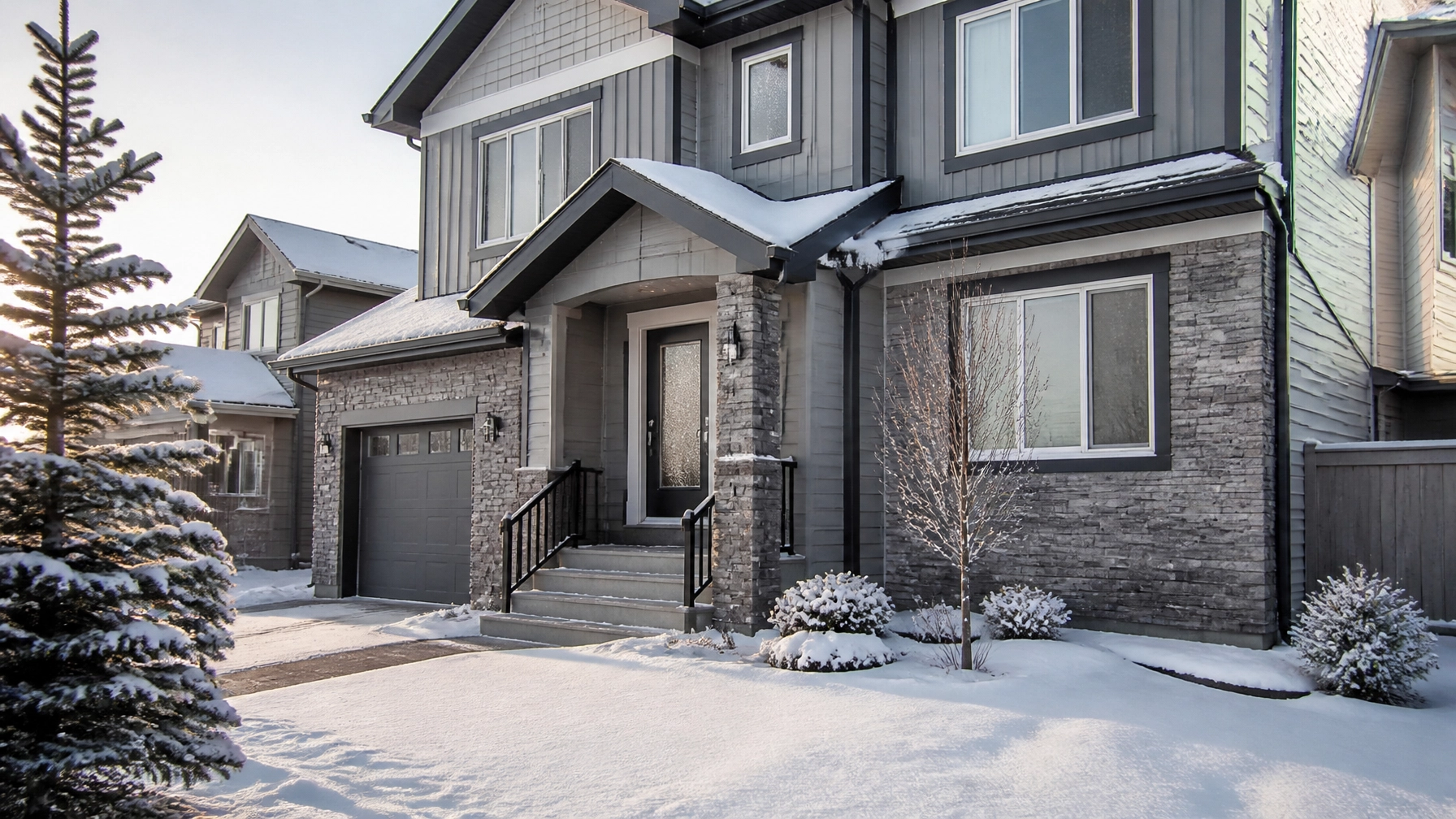
Buying or selling a home in Edmonton? If you are, you’ve likely heard whispers about radon gas, mold, and "bad air." In our 10+ years of experience as home inspectors in Edmonton, we’ve seen how our unique Alberta climate, harsh, freezing winters followed by rapid spring thaws, creates specific challenges for indoor air quality.
Because we spend up to 90% of our winter indoors, the air we breathe in our homes matters. But how much of the "radon scare" is real, and when should you actually be worried about mold?
At InspecUs, we believe in facts over fear. As part of our daily FAQ series, we’re breaking down the most common questions about radon, mold, and air quality for homeowners in the Edmonton area.
Here’s the thing: Edmonton is located in a region with naturally high levels of uranium in the soil. As that uranium decays, it produces radon, a radioactive, odorless, and colorless gas. Because radon is heavier than air, it seeps into our basements through cracks in the foundation, sump pumps, and floor drains.
Recent data from Health Canada and local community reports show that roughly 1 in 6 homes in the Edmonton metro area have radon levels above the national guideline of 200 Bq/m³. In some newer, more "airtight" neighborhoods, that number can climb as high as 1 in 4.
What this means for you:
You can’t see it or smell it, and your neighbor’s low reading doesn't guarantee your home is safe. Every home inspection in Edmonton AB should ideally be accompanied by a discussion about radon. While most people don't test during the short 10-day real estate closing window (since long-term tests are more accurate), it is a vital follow-up for any new homeowner.

Yes, but not for the reasons you might think. Edmonton's "freeze-thaw" cycles and our extremely cold winters mean we seal our homes tight. We use weatherstripping, high-efficiency windows, and heavy insulation to keep the heat in.
While this saves you money on your EPCOR bill, it also traps moisture and pollutants inside. This is known as the "stack effect." Warm air rises and escapes through the upper levels of your home, creating a vacuum that pulls cold air (and soil gases like radon) in through the basement.
Furthermore, when warm, humid indoor air hits a cold exterior wall or a window frame in mid-January, it creates condensation. If that moisture isn't managed, it leads to mold. We regularly find that edmonton house inspections reveal hidden mold behind basement insulation or in attic spaces due to poor ventilation.
You don't always need to see mold to know it's there. Often, the first sign is a persistent "musty" smell or family members experiencing unexplained allergy-like symptoms, such as itchy eyes or a chronic cough, that seem to clear up when they leave the house.
At InspecUs, we don't guess: we use technology. Our home inspections in Edmonton Alberta include thermal imaging and moisture detection as standard.
By using infrared cameras, our edmonton home inspectors can see temperature variations behind your drywall. A "cold spot" in a warm room often indicates moisture intrusion or a leak that hasn't become visible yet. If we find moisture, we can then recommend a professional mold air quality test to see exactly what spores are present.

You can certainly buy a DIY kit from a local hardware store, and for a long-term (90-day) screening, they are quite effective. However, there’s a difference between "screening" and a "professional assessment."
When you hire a professional home inspector in Edmonton, you get more than just a number. We look at the "why."
According to InterNACHI standards, professional testing equipment is calibrated and tamper-resistant, providing a much higher level of accuracy for real estate transactions or for those who want immediate peace of mind.

Let’s break it down: Almost every air quality issue is fixable.
If a house inspection in Edmonton reveals high radon, a "Sub-Slab Depressurization" system can be installed. This is essentially a pipe and a fan that sucks the gas from under your house and vents it safely outside. It’s a standard procedure and usually costs about the same as a mid-range appliance.
If there is mold, the solution is to find the water source and fix it. Whether it's a grading issue outside or a leaky pipe inside, once the water is gone and the mold is professionally remediated, the home is safe again.
Pro Tip: If you're buying a home and the house inspectors in Edmonton find these issues, don't panic. Use the detailed report we provide to negotiate the cost of mitigation into the final sale price.
We’ve performed thousands of home inspections in Edmonton, and we know exactly where these hidden issues like to hide in Alberta homes. We don't just give you a checklist; we provide a roadmap for a healthy home.
Don't leave your family's health to chance. Whether you need a standard pre-purchase home inspection or specialized odor and air quality assessment, our team is here to help.
Ready to breathe easier? Contact InspecUs today to schedule your comprehensive home inspection.

We are licensed by the Licensed Professional and certified through InterNACHI

InspecUs Home Inspection is certified in the best practices established by Internachi. Our commitment to safety includes maintaining a 6-foot distance and using personal protective equipment (PPE) during all inspections.

© 2024 InspecUs - All Rights Reserved. | Sitemap | Developed by Integrated Marketing Platform Inc.