 7132 178 St NW,
 Call us:


 Call us780-809-1056
- Mail usinfo@inspecus.ca
- Schedule An Inspection
Call us780-809-1056

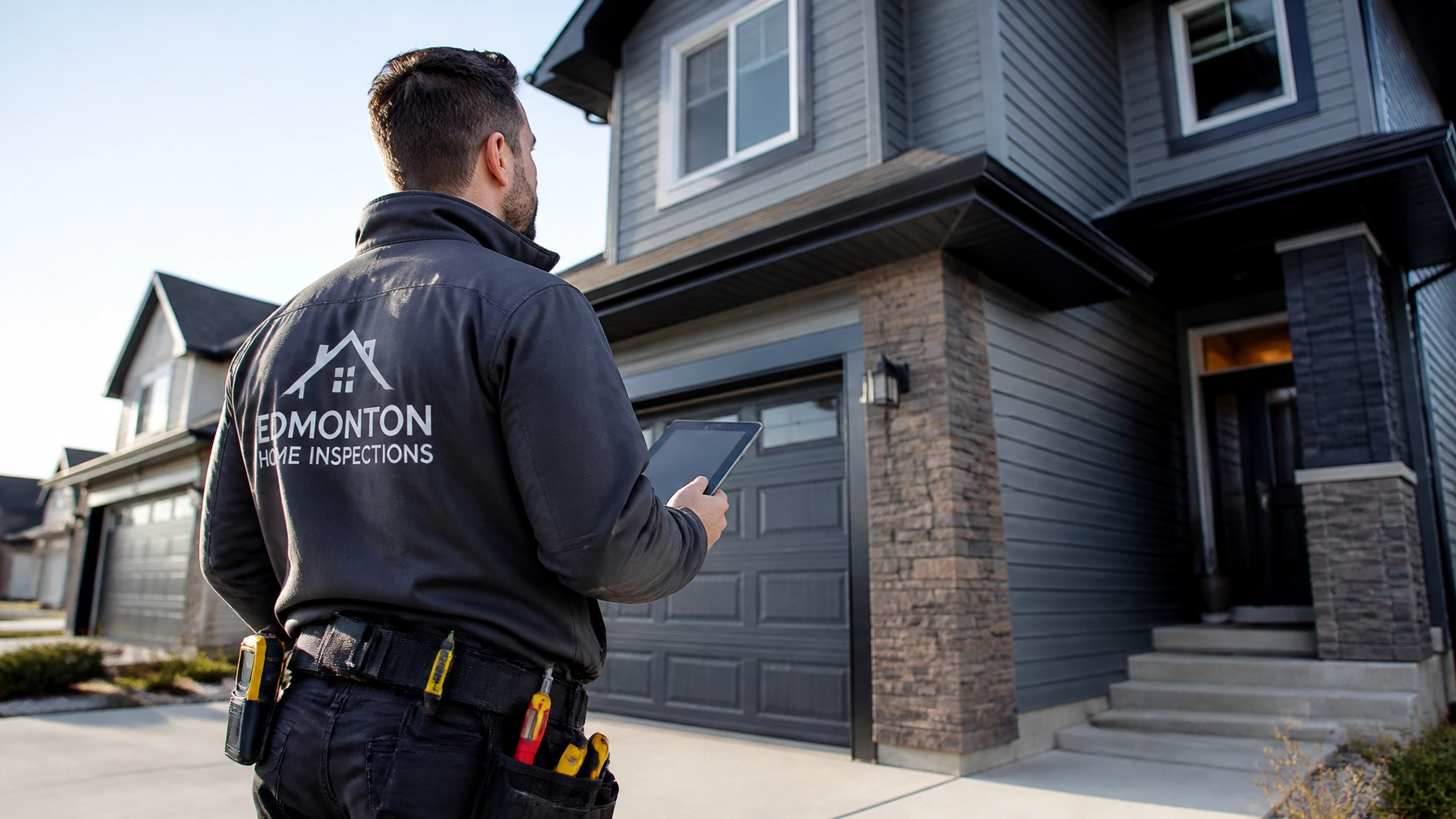
Buying or selling a home in Edmonton? If so, you’re likely already thinking about the "big" things: the roof, the furnace, and the foundation. But in Alberta’s unique climate, where we swing from -30°C winters to humid summer storms, some of the most critical issues are the ones you can’t easily see.
At InspecUs, we’ve performed thousands of property assessments across the Capital Region. Time and again, we see how moisture, mold, and lingering odors can make or break a real estate deal. Whether you are a first-time buyer in Sherwood Park or an investor looking at a multi-family property in Downtown Edmonton, understanding how to detect and treat these issues is vital.
Here is the thing: a "musty" smell isn't just an inconvenience; it’s a symptom. Let’s break down the most common questions we get about ozone treatment, mold detection, and moisture management.
Edmonton’s climate is particularly hard on home foundations. The freeze-thaw cycle we experience every spring causes the soil to expand and contract, which often leads to hairline fractures in concrete walls. When the heavy summer rains hit or the snow melts rapidly, that water looks for the path of least resistance, and that’s usually your basement.
As experienced home inspectors in Edmonton, we know that moisture is the "root of all evil" when it comes to property damage. It leads to structural rot, attracts pests, and creates the perfect environment for mold to thrive.
What this means for you is that a standard visual inspection isn't enough. You need to know if there is water lurking behind the finished basement walls or under the flooring. That is why every InspecUs residential inspection includes professional moisture detection. We don’t just look for puddles; we look for the high humidity levels and damp materials that signal a problem before it becomes a disaster.

One of the biggest fears for homebuyers is the "hidden defect." You walk through a beautiful, freshly painted basement, and everything looks perfect. But is it?
We use cutting-edge technology like thermal imaging to see what the naked eye cannot. Thermal cameras detect minute temperature differences on surfaces. Since wet insulation or damp drywall holds temperature differently than dry material, moisture shows up as a distinct "cold spot" on our screens.
If a home inspector in Edmonton identifies a thermal anomaly, we follow up with a moisture meter to confirm the presence of water. This non-invasive approach allows us to find:
By identifying these issues early, you can address them during the negotiation phase of your home purchase, potentially saving you thousands in future remediation costs. You can learn more about our thermal imaging and moisture detection services here.
If you’ve walked into a home that smells like old tobacco, pets, or "basement funk," you might have heard about ozone treatment. But there is a lot of confusion about what it actually does.
Ozone (O₃) is a powerful oxidizing agent. When we perform an ozone treatment in Edmonton, we use a professional-grade generator to flood a sealed space with high concentrations of ozone gas. This gas travels everywhere air can go, into vents, under carpets, and into the pores of building materials. It breaks down the molecules that cause odors and can effectively "inactivate" airborne mold spores.
Does it kill mold?
Technically, yes: at high enough concentrations, ozone can damage the cellular structure of mold. However, here is the professional reality: ozone is a supplement, not a substitute.
According to Health Canada’s mold guidelines, the only permanent way to deal with mold is to fix the moisture source and physically remove the contaminated material. Ozone is fantastic for removing the smell of mold and cleaning the air, but it won't fix a rotted stud or a leaking foundation crack. We often recommend ozone treatment as the final step after a home has been properly cleaned and dried to ensure the property smells fresh and "new" again.

This is a critical safety question. Ozone is highly effective because it is reactive, but that same reactivity makes it unsafe to breathe at the levels required for "shock treatment."
When we perform an ozone service, we follow a strict safety protocol:
We usually recommend that residents stay out of the home for at least 12–24 hours to be completely safe. When you return, the "musty" or "smoky" smell will be replaced by a clean, "after-a-thunderstorm" scent. It is one of the most effective ways to refresh a property before moving in or putting it on the market.
We see this often: a seller wants to hide a damp smell before a showing. While ozone will temporarily remove the odor, if the moisture problem persists, the smell (and the mold) will return: often within days.
As house inspectors in Edmonton, our job is to give you an unbiased, honest evaluation. We always tell our clients: "Fix the leak first, then treat the air."
If your edmonton house inspection reveals a musty basement, we will help you identify the source. Is it a grading issue where water is flowing toward the house? Is it a cracked sump pit? Once that is repaired, the ozone treatment becomes the "cherry on top" that removes any lingering environmental evidence of the previous problem.
Our reports are designed to be thorough. We provide same-day digital reports with over 200 high-resolution images so you can see exactly what we see.

In Edmonton's winters, we often struggle with dry air, but in the summer and during the spring melt, basement humidity can spike. We recommend keeping your home's relative humidity between 30% and 50%. Anything over 55% in a basement is a "green light" for mold growth. A simple $20 hygrometer from a local hardware store can be your best friend in preventing mold before it starts.
At InspecUs, we bring over 10 years of construction industry experience to every home inspection in Edmonton, AB. We aren't just looking at checklists; we are looking at how your home’s systems work together to keep you safe and dry.
Our comprehensive reports cover over 100 items, and we guarantee delivery within 24 hours (usually the same day). Whether you need a pre-purchase home inspection or a specialized sewer scope, our team is here to provide the clarity you need.
Don't let hidden moisture or mold spoil your investment. Contact the top-rated home inspectors in Edmonton today.
Call InspecUs at (780) 809-1056 or Book Your Inspection Online.
We are licensed by the Licensed Professional and certified through InterNACHI

InspecUs Home Inspection is certified in the best practices established by Internachi. Our commitment to safety includes maintaining a 6-foot distance and using personal protective equipment (PPE) during all inspections.

© 2024 InspecUs - All Rights Reserved. | Sitemap | Developed by Integrated Marketing Platform Inc.