 7132 178 St NW,
 Call us:


 Call us780-809-1056
- Mail usinfo@inspecus.ca
- Schedule An Inspection
Call us780-809-1056

Buying or selling a home in Edmonton is a massive commitment. Between navigating the wild swings of the Alberta real estate market and dealing with our "creative" weather patterns, there’s a lot that can go wrong under the surface of a property. Whether you're a first-time buyer in Griesbach or an investor looking at a multi-family unit in Strathcona, you need more than just a quick walk-through.
You need a home inspection that actually tells you the truth.
At InspecUs, we’ve spent over a decade digging into the attics and crawlspaces of Edmonton. We’ve seen it all, from crumbling foundations to "DIY" electrical jobs that look more like a science experiment.
If you’re searching for home inspectors in Edmonton, here are 10 things you absolutely need to know before you sign on the dotted line.
By definition, a standard home inspection in Edmonton is a non-invasive, visual assessment. That means we aren't ripping down drywall or pulling up floorboards. However, the "visual" part of the job has evolved.
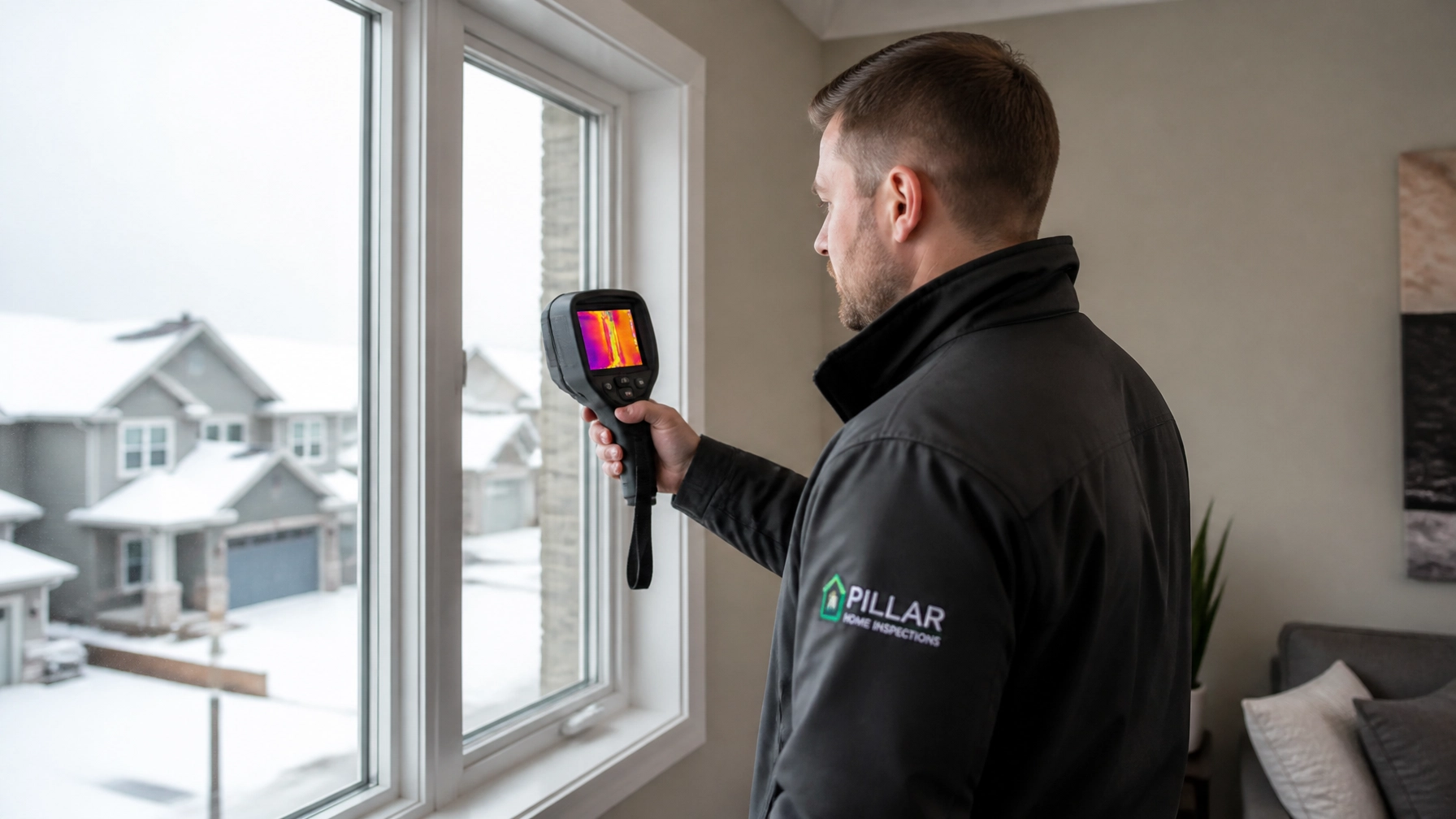
What an inspector can see with their naked eye is limited. That’s why we include thermal imaging and moisture detection with every single report. Using infrared technology allows us to "see" temperature variations behind walls that might indicate hidden leaks, missing insulation, or overheating electrical components.
Pro Tip: Don't settle for an inspector who doesn't use thermal imaging. In Edmonton’s climate, it’s the difference between finding a small leak now and a massive mold problem later.
Our freeze-thaw cycles are legendary, and not in a good way. The soil in Northern Alberta expands and contracts aggressively, which puts immense pressure on residential foundations.
When we perform an edmonton house inspection, we look specifically for signs of structural movement, horizontal cracks, and water intrusion. Small hairline cracks might be normal settlement, but anything that lets moisture in is a red flag. We check the grading around the house to ensure water is moving away from the foundation, not pooling against it.
If you are buying a home in established areas like Glenora, Westmount, or Bonnie Doon, the sewer lines are likely the original clay or cast-iron pipes. Over 50+ years, tree roots find their way into these lines, causing blockages and eventually total collapses.
A standard home inspection doesn’t cover the inside of your sewer line. We highly recommend adding a sewer scope inspection. We run a high-resolution camera from the house all the way to the city main. Replacing a collapsed sewer line can cost upwards of $10,000, a $200–$300 scope is the smartest insurance you can buy.

In Alberta, home inspectors must be licensed by the provincial government. You can check the Service Alberta website to verify a license.
But a license is just the baseline. You should look for an edmonton home inspector who is certified by InterNACHI (the International Association of Certified Home Inspectors). InterNACHI inspectors adhere to a strict Code of Ethics and a high Standard of Practice. At InspecUs, our InterNACHI certification means we stay current on the latest building sciences and inspection techniques.
In a hot real estate market, time is your enemy. You often have a very short window for "subject to inspection" clauses.
We provide same-day detailed reports. Our reports aren't just a list of bullet points; they include 200+ high-resolution images and clear explanations of every finding. If there’s an issue with the furnace, you’ll see the photo and understand exactly why it’s a concern.
What this means for you: You can make a decision tonight, rather than waiting three days for an inspector to type up their notes.

We love it when our clients are on-site. While you don't need to follow us into the crawlspace, being there for the final walkthrough is invaluable.
It allows us to show you how to operate the main water shut-off, explain how to maintain your high-efficiency furnace, and give you a sense of scale for any defects we find. An "issue" on paper can sometimes sound scarier than it actually is. Seeing it in person provides the context you need to stay calm and informed.
We get this question all the time: "Did the house pass?"
A house inspection in Edmonton isn't a pass/fail exam. It’s a condition report. Every house, even a brand-new build, will have "defects." Our job is to tell you what is a major safety concern, what is a looming expensive repair, and what is just a minor maintenance item.
You use that information to decide if the house is worth the price, or if you need to negotiate repairs with the seller.
Don't assume that because the "big stuff" is managed by a condo board, you don't need an inspection. When performing a condo or townhome inspection in Edmonton, we focus on the systems you are responsible for: the HVAC, plumbing leaks that could damage units below you, and the electrical panel.
We also look at the common areas (roof, siding, parkade) to see if the board is actually maintaining the building. If we see a roof that’s falling apart on a condo building, that might mean a "special assessment" fee is coming your way soon.
In a city where it hits -40°C, your attic is your home’s most important defense. We check for adequate R-value insulation and proper ventilation.
If an attic is poorly ventilated, moisture from the house gets trapped, leading to frost build-up in the winter and mold growth in the spring. We use our thermal imaging to find cold spots where insulation might be missing or settled.

While most of our work is residential, we also provide commercial property inspections and small business inspections. Whether it’s a retail storefront or a multifamily apartment building, the stakes are even higher for investors.
We also offer specialized services like ozone treatment and odor removal. If you’ve found a great house but it smells like a pack of cigarettes or heavy pet odors, our ozone treatment can neutralize those smells at the molecular level, making the home livable again.
A home inspection in edmonton ab is your best tool for avoiding a "money pit." With over 10 years of construction experience, we don’t just look at the house; we understand how it was built.
If you’re ready to move forward with confidence, let our team provide the clarity you need. We serve Edmonton, Saint Albert, Sherwood Park, and the surrounding areas with the most thorough reporting in the industry.
Ready to book? Send us a message here or call us today to schedule your inspection.
How much do home inspections edmonton cost?
Typically, you can expect to pay between $400 and $600 for a standard residential inspection, depending on the size and age of the home. Add-ons like sewer scopes or mold testing will increase the cost.
How long does an edmonton home inspector take?
A thorough inspection usually takes between 2 to 4 hours. If an inspector claims they can do it in 45 minutes, they are missing things.
Do I get a discount for a condo?
Yes, because there is less exterior and structural area to cover, condo inspections are generally more affordable than detached homes.
What happens if the inspector finds mold?
Don't panic. We can provide air quality testing and mold inspections. Often, mold is caused by a simple ventilation issue that can be fixed. We also offer ozone treatment for odor issues.
We are licensed by the Licensed Professional and certified through InterNACHI

InspecUs Home Inspection is certified in the best practices established by Internachi. Our commitment to safety includes maintaining a 6-foot distance and using personal protective equipment (PPE) during all inspections.

© 2024 InspecUs - All Rights Reserved. | Sitemap | Developed by Integrated Marketing Platform Inc.