 7132 178 St NW,
 Call us:


 Call us780-809-1056
- Mail usinfo@inspecus.ca
- Schedule An Inspection
Call us780-809-1056

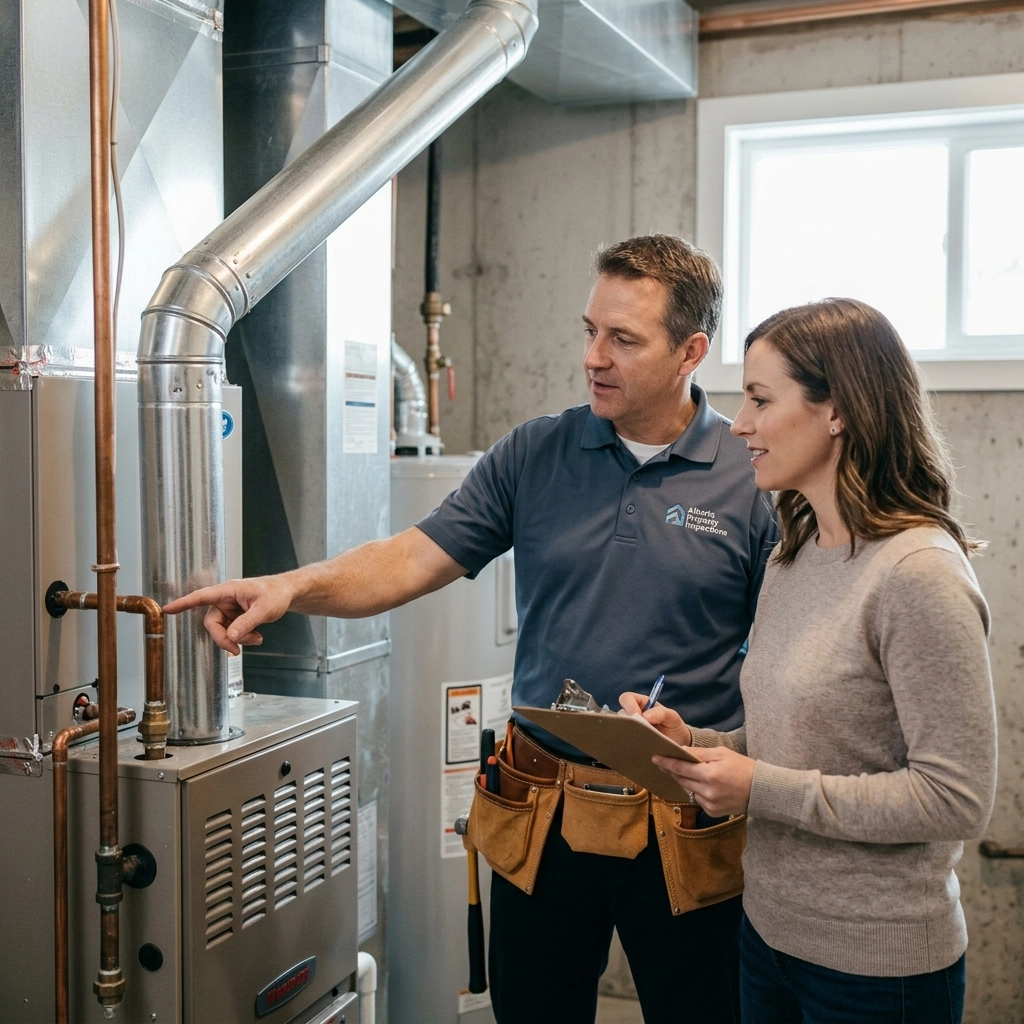
Selling a home in the Capital Region is a marathon, not a sprint. You’ve scrubbed the baseboards, staged the living room to look like a magazine spread, and finally landed a solid offer. But then comes the moment that makes even the most confident homeowner break a sweat: the home inspection.
Here’s the thing: many sellers view the inspection as a "final exam" where they might fail and lose the deal. In reality, a home inspection in Edmonton isn't a pass/fail test. It’s a professional evaluation of the home’s current condition.
At InspecUs, our team has inspected thousands of properties across Alberta. We’ve seen it all, from pristine new builds to historic homes in Strathcona with "character" (read: foundation quirks). We know that a smooth inspection doesn't happen by accident. It happens through preparation.
If you want to keep your sale moving forward and keep the buyer’s confidence high, follow these five steps to "pass" your inspection with flying colors.
One of the biggest frustrations for an inspector, and a red flag for a buyer, is "inaccessible areas." If we can’t get to a system, we can’t inspect it. When an inspection report says, "Could not inspect electrical panel due to stored items," the buyer immediately wonders what you’re trying to hide.
In Edmonton's older neighborhoods, we often find electrical panels tucked away in basement closets or behind heavy shelving. Before our team arrives, make sure there is a clear path to the following:
Pro Tip: If we have to reschedule or return because we couldn't access a major system, it can delay the closing by days. Clear the path, and you'll keep the momentum of the sale.

We’ve found that buyers are much more forgiving of a defect they knew about before the inspection than one they discovered during it. When a buyer finds a surprise leak under the sink, they start wondering if there are bigger, hidden surprises behind the walls.
Let’s break it down: small things matter. Before the inspection, take a Saturday to walk through your home with a critical eye.
If there is a known issue you haven't fixed: say, a window with a broken seal: tell the buyer upfront. Disclosing minor repairs builds immediate trust. It shows you’ve been an attentive homeowner. When our certified home inspection team sees a well-maintained home, it sets a positive tone for the entire report.
Our local climate is brutal on a home’s exterior. Between the heavy snow loads and the spring freeze-thaw cycles, your home’s foundation and roof take a beating. Buyers are specifically looking for "the big stuff" here: water management.
What this means for you is checking your grading and gutters.
During our pre-purchase home inspections, we often use thermal imaging to check for hidden moisture. By ensuring your exterior drainage is working correctly, you significantly reduce the chance of us finding a "cold spot" that indicates a leak.

If you’ve recently replaced the roof, serviced the furnace, or upgraded the electrical panel, have the receipts and warranties ready on the kitchen counter.
Why does this matter? Because a home inspection is a visual assessment. If we see a furnace that looks 15 years old but you have a receipt showing it was professionally serviced and overhauled last month, that goes into the report. It provides the buyer with peace of mind and proves that the home has been cared for.
This is especially important for specialty items like:
Having a "Home History" folder makes you look like the organized, responsible seller every buyer wants to buy from.
We know it’s your home, and it’s tempting to follow the inspector around to explain every little quirk. However, the best thing you can do for a stress-free sale is to leave the property during the inspection.
Usually, the buyer and their agent will attend the tail end of the inspection. They need to feel comfortable talking openly about the home, asking "dumb" questions, and visualizing themselves living there. If the seller is hovering, the atmosphere becomes tense.
"Our goal isn't just to find faults," says Banti K Shaw from our marketing team. "It's to educate the buyer. When the seller is present, it can sometimes interfere with that educational process and make the buyer feel like they're being 'sold' rather than informed."
Plan to be away for 2 to 4 hours. Take the dog for a walk, go to a movie, or grab lunch at a local Edmonton café. Let us do the deep dive so we can provide an objective, professional view.

In the Edmonton real estate market, time is of the essence. Most offers have an "inspection condition" that expires within a few days. If the inspection report takes a week to arrive, everyone’s stress levels skyrocket.
At InspecUs, we deliver detailed, high-resolution reports within 24 hours (and often the same day). This keeps the momentum of your sale moving. Our reports use clear language: not confusing jargon: and include thermal imaging findings and moisture detection where relevant.
By providing a fast, transparent report, we help both the seller and the buyer reach a decision quickly. Whether it’s a condo in Oliver or a large acreage outside the city, our thoroughness helps eliminate the "fear of the unknown."
You can’t control what an inspector finds, but you can control how your home is presented. By clearing access, handling minor repairs, and ensuring your exterior is ready for the Edmonton elements, you remove the "friction" from the inspection process.
A clean, accessible, and transparently presented home tells the buyer that you have nothing to hide. That confidence is what ultimately closes the deal.
Are you ready to list your property or looking for a team you can trust to provide a fair, professional assessment? Learn more about our team or send us a message today to schedule your next inspection. Let's get that "Sold" sign on your front lawn.
We are licensed by the Licensed Professional and certified through InterNACHI

InspecUs Home Inspection is certified in the best practices established by Internachi. Our commitment to safety includes maintaining a 6-foot distance and using personal protective equipment (PPE) during all inspections.

© 2024 InspecUs - All Rights Reserved. | Sitemap | Developed by Integrated Marketing Platform Inc.