 7132 178 St NW,
 Call us:


 Call us780-809-1056
- Mail usinfo@inspecus.ca
- Schedule An Inspection
Call us780-809-1056

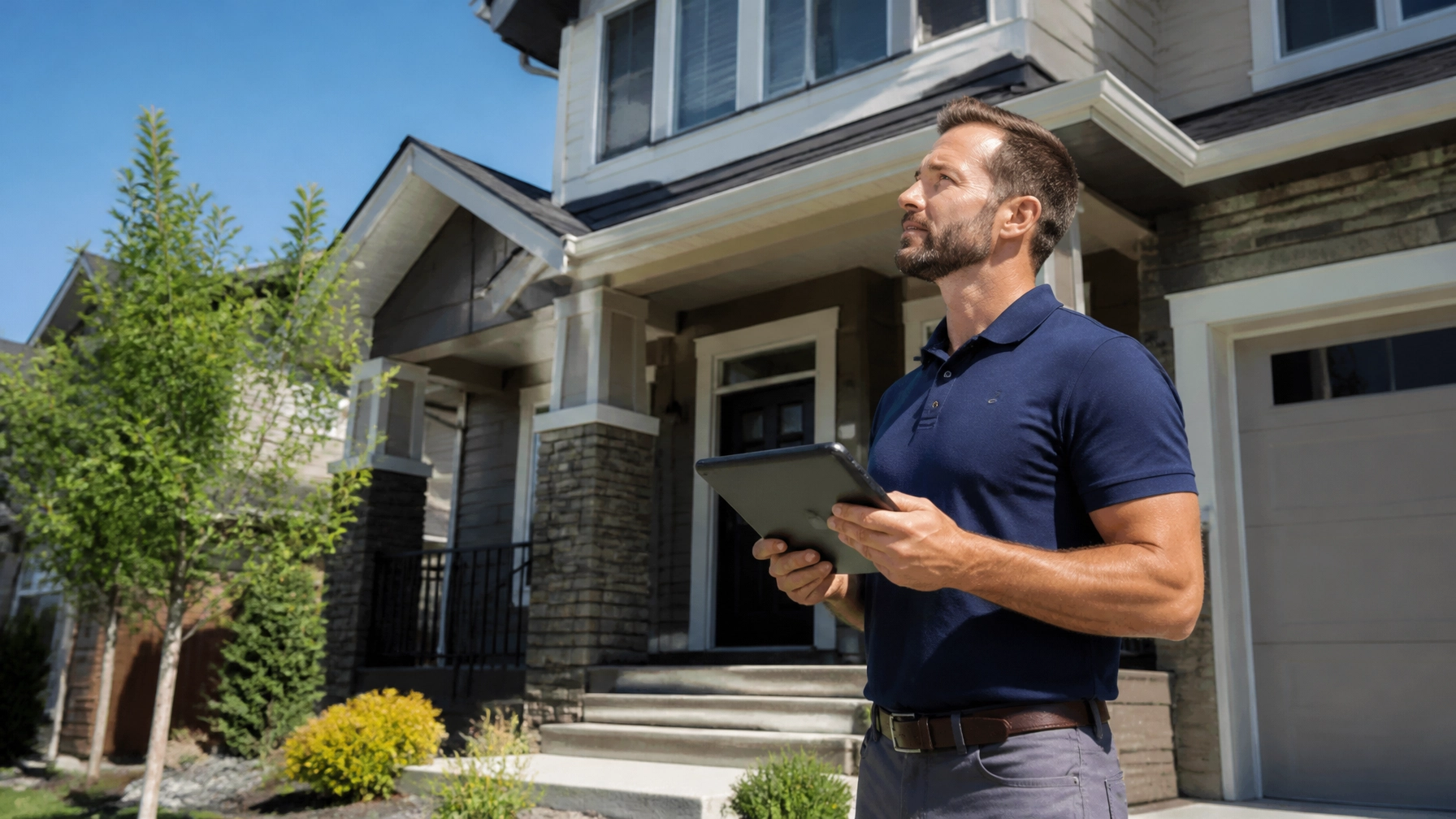
Buying a home in Edmonton is a massive milestone, but let’s be honest, it’s also a bit terrifying. Whether you’re looking at a charming character home in Old Strathcona or a brand-new build in Windermere, you want to know exactly what you’re moving into.
No one wants to discover a $15,000 foundation issue three months after the moving truck leaves. That’s where a professional edmonton house inspection comes in.
At InspecUs, we’ve walked through thousands of properties across the Capital Region. We’ve seen the good, the bad, and the "how is this house still standing?" Over the years, our team has noticed that buyers usually have the same ten questions swirling in their heads.
Here’s the thing: knowledge is power. Let’s break down the 10 burning questions every buyer asks so you can navigate your real estate journey with total confidence.
Think of a home inspection as a "physical" for your house. It is a non-invasive, visual examination of the home's current condition. As home inspectors in edmonton, our job is to look at the systems that make a house habitable and safe.
We check everything from the roof over your head to the foundation beneath your feet. This includes the electrical panel, plumbing lines, HVAC systems (heating and cooling), and the building's overall structure. It’s not just about finding "broken" things; it’s about providing a clear snapshot of the home's health at that specific moment.
If you are looking for a deep dive before you sign those final papers, our pre-purchase home inspection is designed to give you the full picture.
Edmonton isn't just "cold", it’s a city of extreme temperature swings. Our "freeze-thaw" cycles are brutal on foundations and roofs. In the winter, moisture can get into tiny cracks, freeze, expand, and turn a small issue into a major structural headache.
Furthermore, Alberta homes work hard. Our furnaces run for six or seven months a year. An edmonton home inspector knows to look for specific regional issues, like ice damming on roofs, grading that causes basement flooding during the spring melt, and the efficiency of older heating systems in homes built during the mid-century boom.
We get this question daily. In the Edmonton market, you can generally expect to pay between $450 and $700 for a standard residential home inspection.
However, price isn't the only factor. A "cheap" inspection often means the inspector is rushing or lacks the advanced tools, like thermal cameras, that we consider essential. At InspecUs, we believe in transparent pricing that reflects our 10+ years of experience and the high-tech equipment we bring to every job.
Prices can also vary based on the type of property. For instance, a condo inspection might be slightly less because there is less exterior and structural area to cover, whereas a large commercial property inspection will naturally be higher.

Here’s the thing: a lot of the biggest problems in a home are invisible to the naked eye. Moisture hidden behind drywall or missing insulation in an attic won't show up just by looking.
That’s why we include thermal imaging in all our reports. A thermal camera detects temperature differences. If we see a cold spot on a warm wall, it often points to a hidden leak or a gap in the insulation. In a city like Edmonton, where heating bills can skyrocket, knowing your home is properly sealed is a huge financial advantage.
You can learn more about how we use this tech on our thermal imaging and moisture detection page.
A thorough home inspection in edmonton ab shouldn't be a 30-minute walkthrough. For an average 1,500-square-foot detached home, we usually spend 2.5 to 4 hours on-site.
We take our time because we’re checking over 100 different items. We’re climbing onto the roof, crawling into the attic, and testing every reachable outlet. If an inspector tells you they can do it in an hour, they’re likely skipping the details that matter most.
Absolutely. We always encourage our clients to attend, especially during the last hour.
While our same-day detailed reports are packed with 200+ high-resolution images, nothing beats seeing an issue in person. When we’re standing in front of the electrical panel, we can explain exactly what a "double-tapped breaker" looks like and why it matters. It’s the best "Homeownership 101" class you’ll ever take.
Every house has issues, even brand-new ones. But in the Edmonton area, we see a few recurring themes:

This is a common misconception. A house inspection edmonton is not a "pass/fail" test. It’s an information-gathering mission.
Our job isn't to tell you whether or not to buy the house; our job is to tell you what condition the house is in. Every issue can be fixed, it just comes down to whether you have the budget and the desire to take on those repairs. We provide the facts so you can decide if the price of the home matches its actual condition.
If you are buying a home that is more than 20 years old, the answer is a resounding yes.
Tree roots, shifting soil, and aging materials (like clay or Orangeburg pipes) can cause sewer lines to collapse or clog. Since these pipes are buried deep underground, a standard inspection won't catch them. A sewer scope inspection uses a specialized camera to look inside the main line, potentially saving you thousands in excavation costs later.
In Alberta, home inspectors must be licensed through Service Alberta. However, a license is just the bare minimum.
When you’re looking for house inspectors edmonton, check for:

A home is likely the biggest investment you’ll ever make. Don’t go into it blind. Whether you need a townhome inspection or an assessment of a large acreage, we are here to help you make a confident, informed decision.
Ready to get started?
Don't leave your investment to chance. Contact InspecUs today to book your comprehensive home inspection and get your detailed report within 24 hours.
We are licensed by the Licensed Professional and certified through InterNACHI

InspecUs Home Inspection is certified in the best practices established by Internachi. Our commitment to safety includes maintaining a 6-foot distance and using personal protective equipment (PPE) during all inspections.

© 2024 InspecUs - All Rights Reserved. | Sitemap | Developed by Integrated Marketing Platform Inc.