 7132 178 St NW,
 Call us:


 Call us780-809-1056
- Mail usinfo@inspecus.ca
- Schedule An Inspection
Call us780-809-1056

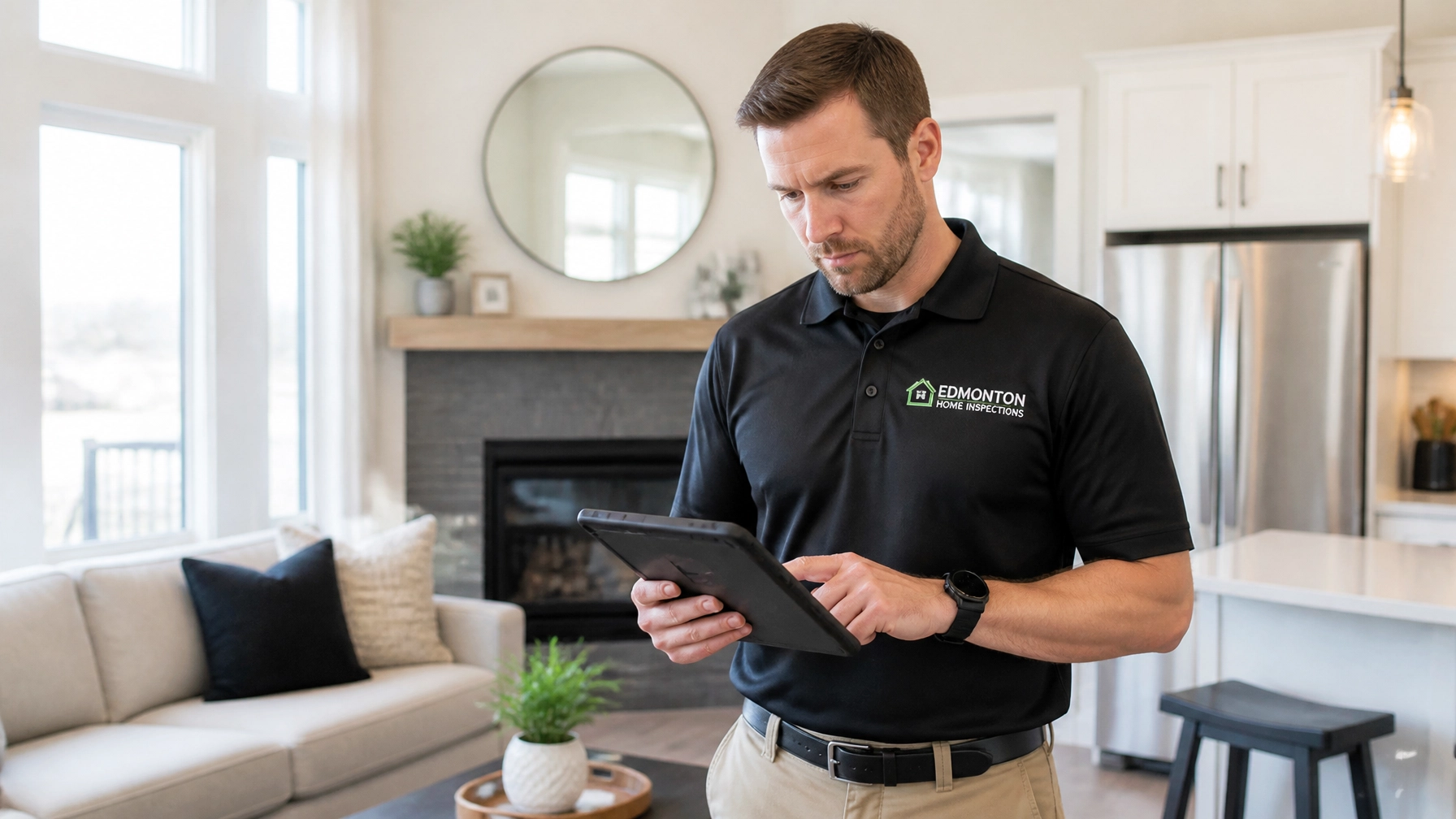
Buying or selling a home in Edmonton is a high-stakes decision. Between our extreme freeze-thaw cycles and the fast-moving real estate market in neighborhoods like Sherwood Park and St. Albert, the last thing you want is a 50-page document full of technical jargon that leaves you more confused than when you started.
At InspecUs, we’ve performed thousands of property assessments, and we’ve seen it all: from 1950s bungalows with original wiring to brand-new infills with grading issues. We know that receiving a report with 200+ high-resolution images can be overwhelming. As leading home inspectors in Edmonton, we believe our job isn't finished until you actually understand what you're reading.
Here’s the thing: your inspection report isn't just a list of "bad things." It’s a roadmap for your investment. To help you navigate it, we’ve gathered the five most common questions we hear about home inspections in Edmonton.
Edmonton’s climate is tough on houses. Our heavy clay soil and extreme temperature swings create unique challenges that a qualified home inspector in Edmonton looks for specifically.
Pro Tip: Don't panic over a "negative grading" note. Often, it can be fixed with a few bags of topsoil and a weekend of work, but it’s crucial to catch it before it damages your basement.

Alt Text: Professional home inspector measuring a foundation crack during an Edmonton house inspection to determine structural impact.
We get it. Our same-day detailed reports are incredibly thorough because we don't believe in cutting corners. We include over 200 high-resolution images because we believe in "showing, not just telling."
When you hire an edmonton home inspector, you should expect a document that is easy to scan. Here is how we recommend tackling our reports:
According to InterNACHI Standards of Practice, a home inspector edmonton is required to identify any system or component that is not functioning properly or is unsafe. We take that a step further by explaining why it matters for your specific property.
At InspecUs, we include thermal imaging and moisture detection as a standard part of every inspection. Why? Because the most expensive problems are often the ones you can’t see with the naked eye.
Edmonton homes face significant heat loss challenges due to our -30°C winters. An infrared camera allows our house inspectors in Edmonton to see:
Without thermal imaging, an edmonton house inspection is essentially incomplete. We prefer to provide you with the full picture, using cutting-edge technology to find what others might miss.

Alt Text: Thermal imaging scan used during a home inspection in Edmonton to detect heat loss and insulation gaps.
A standard home inspection edmonton alberta is a visual examination of the home's accessible systems. However, there are "blind spots" that require specialized tools, especially in our older mature neighborhoods.
Our advice: If the home is over 20 years old, a sewer scope is almost always worth the investment. It can save you thousands in unexpected excavation costs down the road.

Alt Text: Sewer scope inspection in progress at an Edmonton property to check for underground pipe blockages.
This is the most important question of all. "Red flags" are common. In fact, we have never inspected a "perfect" house: not even brand-new builds.
The goal of our pre-purchase home inspection is to ensure there are no unpleasant surprises after you move in.
We provide unbiased evaluations so you can decide if the "red flags" are deal-breakers or just items for your future to-do list. Our team is here to educate you, not to scare you.
Understanding your house inspection edmonton report is the key to a stress-free real estate transaction. We don't just hand you a PDF and walk away; we provide ongoing support even after the inspection is done. Whether you are a first-time buyer or an experienced investor, our 10+ years of construction experience ensures you get the most thorough evaluation possible.
Ready to get a clear picture of your property?
At InspecUs, we guarantee a detailed, high-resolution report within 24 hours (and usually the very same day), so you can keep your transaction moving with confidence.
We are licensed by the Licensed Professional and certified through InterNACHI

InspecUs Home Inspection is certified in the best practices established by Internachi. Our commitment to safety includes maintaining a 6-foot distance and using personal protective equipment (PPE) during all inspections.

© 2024 InspecUs - All Rights Reserved. | Sitemap | Developed by Integrated Marketing Platform Inc.