 7132 178 St NW,
 Call us:


 Call us780-809-1056
- Mail usinfo@inspecus.ca
- Schedule An Inspection
Call us780-809-1056

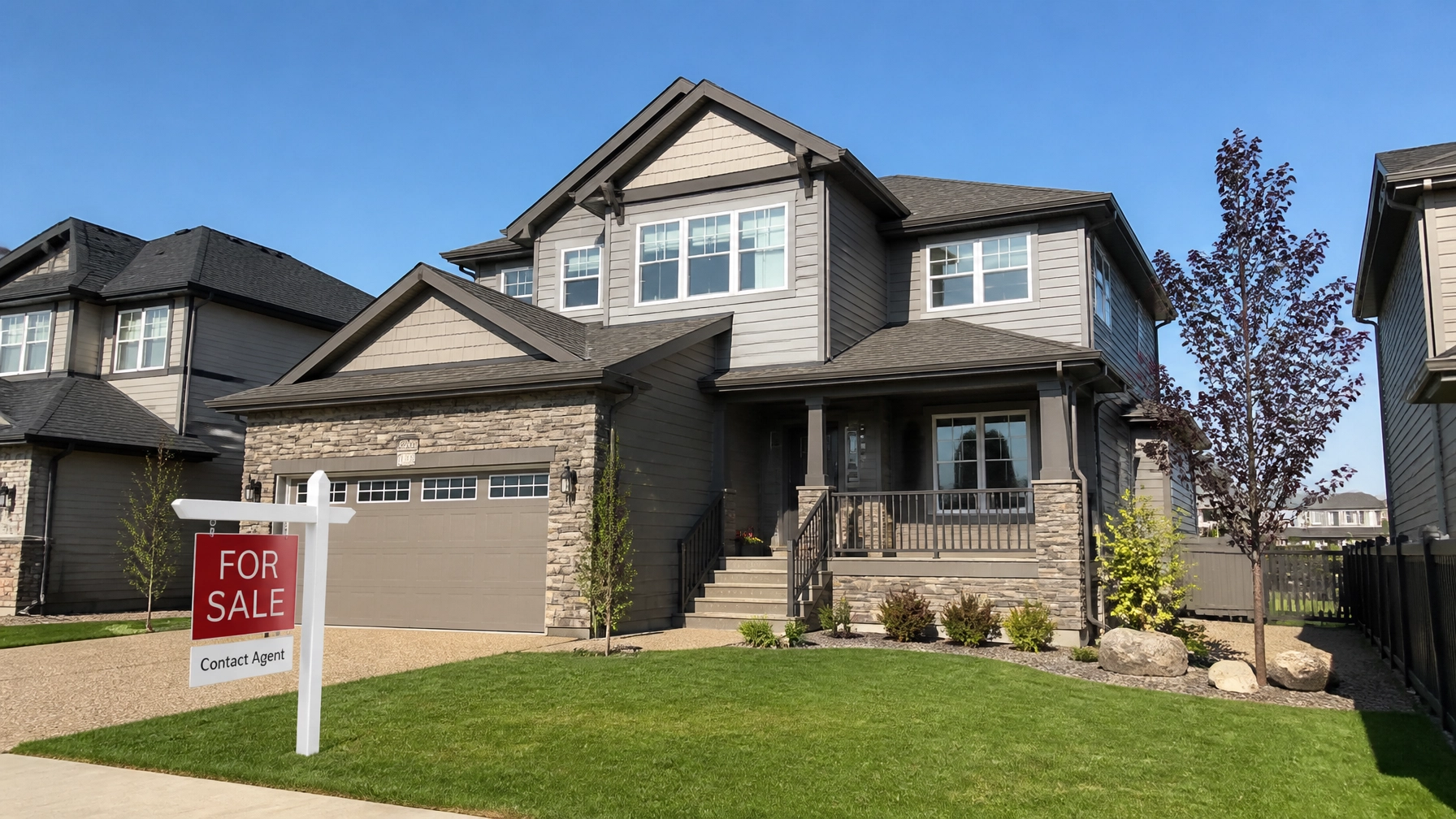
Buying a detached home in Edmonton is an exciting milestone. Whether you’re looking at a character home in Glenora, a mid-century bungalow in Strathearn, or a brand-new build in Chappelle, the dream of owning your own lot is a big deal. But here’s the thing: detached homes come with a unique set of responsibilities and potential "hidden" surprises that condos or townhomes don't always face.
Before you meet your edmonton home inspector on-site, it helps to know what’s actually happening behind the scenes. At InspecUs, we’ve performed thousands of residential home inspections across Alberta, and we’ve seen it all, from minor DIY fails to major structural red flags.
What should you be looking for? Let’s break down the 10 most critical things you should know before your inspection starts.
In Edmonton, we deal with a lot of clay-based soil. This soil is "expansive," meaning it swells when it’s wet and shrinks when it’s dry. Over decades, this constant movement puts immense pressure on foundation walls.
When we arrive for a home inspection in edmonton ab, one of the first things we look for is "efflorescence" (that white, powdery salt residue) or horizontal cracking. Small vertical cracks are often just settlement, but horizontal cracks? That might mean the soil is pushing the wall inward.
Pro Tip: Look at the basement walls if they’re unfinished. If you see fresh paint over a single patch of concrete, ask why.
Since you’re buying a detached home, you own the land surrounding it. In our freeze-thaw climate, water is your foundation’s worst enemy. "Negative grading" is when the ground slopes toward your house instead of away from it.

If water pools against your foundation in the spring, it will eventually find a way inside. We check the entire perimeter to ensure the soil, sidewalks, and driveways are shedding water correctly. According to the City of Edmonton’s Surface Drainage Bylaw, homeowners are responsible for maintaining proper grades to prevent damage to their own property and their neighbors'.
You can’t see through walls, but we can. At InspecUs, every edmonton house inspection includes thermal imaging and moisture detection.

Why does this matter? In our -30°C winters, missing insulation isn't just a comfort issue, it’s a massive energy drain. Thermal cameras can also spot "cold spots" that suggest a hidden leak from an upstairs bathroom or a failing window seal before it turns into a mold problem.
In Edmonton, attic frost is a common headache. If warm, moist air from your living space leaks into the attic (through unsealed pot lights or a loose attic hatch), it freezes on the underside of the roof deck. When it thaws in the spring, it looks like a roof leak, a phenomenon known as "attic rain."

We check for proper R-value (insulation thickness) and ensure your soffit vents aren't blocked. According to InterNACHI standards, proper ventilation is one of the most critical factors in extending the life of your roof shingles.
Most people focus on the kitchen tiles, but the most expensive pipe in the house is the one you can’t see. Detached homes in older Edmonton neighborhoods often have clay or cast-iron sewer lines that are prone to tree root intrusion or collapses.

A standard visual inspection won't find a cracked sewer line 6 feet underground. That’s why we highly recommend a sewer scope inspection. It’s a small price to pay to avoid a $10,000 excavation bill a month after you move in.
If you’re looking at a home built between the late 1960s and late 1970s, there’s a good chance it has aluminum wiring. While not illegal, it requires specific maintenance (like "alumiconn" connectors) to prevent fire hazards.
Our house inspectors edmonton team checks for:
A furnace in Edmonton works harder than almost anywhere else in the world. We don't just "turn it on" to see if it blows air. We look at the age, the heat exchanger's condition (where possible), and the venting.
If the home has a high-efficiency furnace, we check that the intake and exhaust pipes are properly sloped and clear of debris. A furnace that’s 20+ years old isn't necessarily a "fail," but it’s a "budget for replacement soon" item that you should know about before signing.
Edmonton’s weather is brutal on shingles. Between the hail in the summer and the ice in the winter, a "25-year shingle" might only last 18 years here.
We look for:
In a detached home, basement bedrooms are common. However, for a room to be legally considered a bedroom in Alberta, the window must meet "egress" standards, meaning it’s large enough for a person (and a firefighter with a pack) to climb through in an emergency.
We often find older homes where the basement windows are too small or blocked by window wells. This is a significant safety issue that any home inspector in edmonton should point out.
Whether it’s attached or a detached "laneway" garage, this space has its own rules. We check for:
The goal of a home inspection edmonton isn't to tell you whether or not to buy the house. It's to give you the data you need to make an informed decision.
What looks like a "perfect" house on the surface might have $20,000 in hidden grading and sewer issues. Conversely, a house that looks a bit dated might have a "rock-solid" foundation and a brand-new HVAC system.
How long does a detached home inspection take?
Usually 2.5 to 4 hours, depending on the size and age of the home. We encourage you to attend the last hour so we can walk you through our findings in person.
Will you give me a quote for repairs?
Home inspectors provide unbiased evaluations, so we don't provide repair quotes (that would be a conflict of interest). However, we can tell you which issues are "major" (safety/structural) and which are "minor" (maintenance).
Do you check for mold?
Yes, we use moisture meters and thermal imaging to find conditions conducive to mold. If we find something suspicious, we can discuss further testing or ozone treatment for odor removal.
We’ve been in the construction industry for over 10 years, which gives us a "builder’s eye" for detail. When you book with us, you get:
Ready to gain some peace of mind? Don’t let your dream home turn into a nightmare. Contact InspecUs today to book your edmonton home inspector and buy with confidence.
References & Citations:
We are licensed by the Licensed Professional and certified through InterNACHI

InspecUs Home Inspection is certified in the best practices established by Internachi. Our commitment to safety includes maintaining a 6-foot distance and using personal protective equipment (PPE) during all inspections.

© 2024 InspecUs - All Rights Reserved. | Sitemap | Developed by Integrated Marketing Platform Inc.