 7132 178 St NW,
 Call us:


 Call us780-809-1056
- Mail usinfo@inspecus.ca
- Schedule An Inspection
Call us780-809-1056

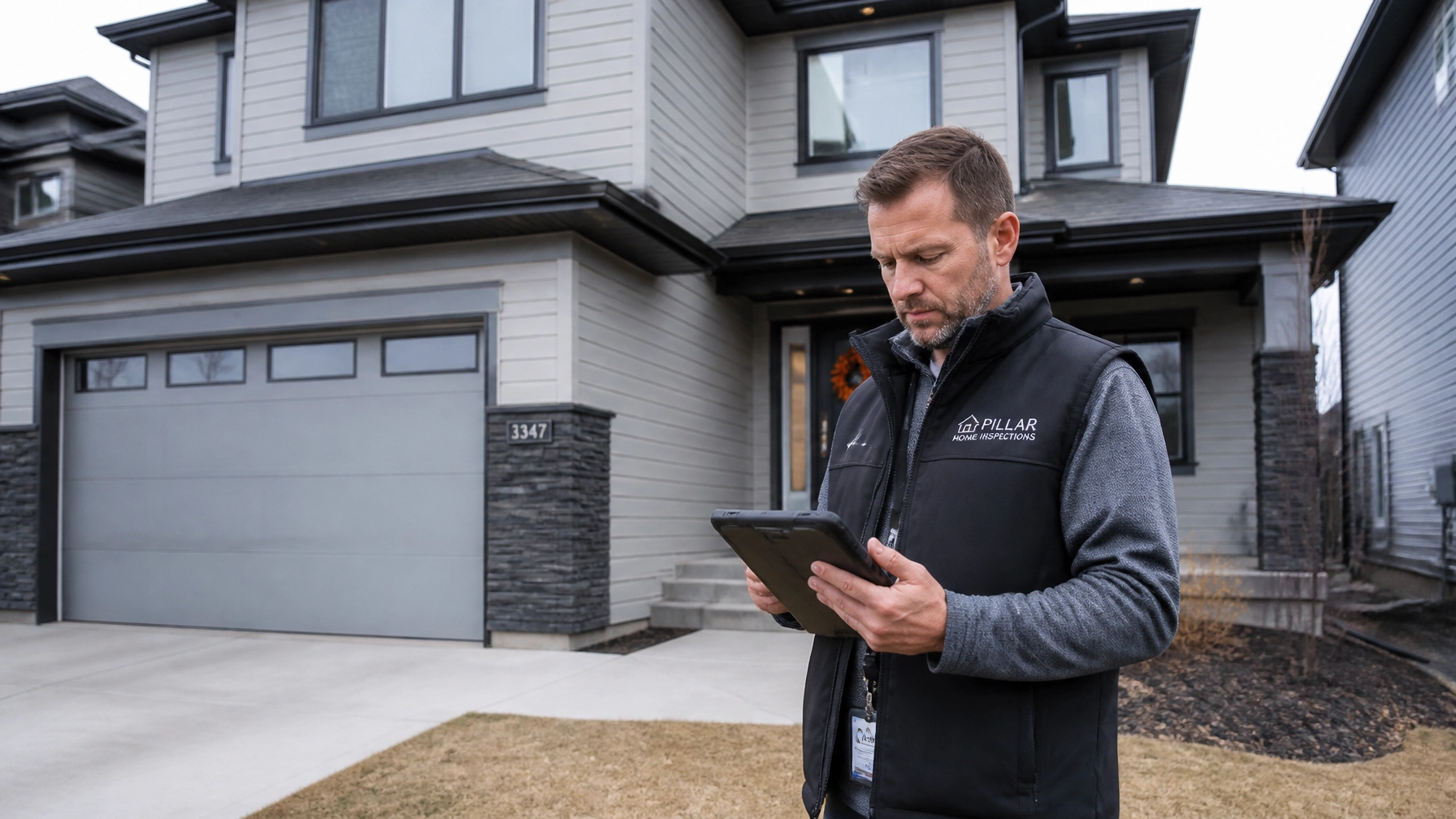
Buying or selling a home in Edmonton? You’re likely dealing with a whirlwind of paperwork, showings, and big decisions. In our local market: where the "freeze-thaw" cycle is as much a part of life as the Oilers: the home inspection is the most critical hurdle you’ll face.
Here’s the thing: after 10+ years of performing comprehensive home inspections in Edmonton, we’ve seen buyers and sellers make the same costly errors over and over. These aren't just minor oversights; they are mistakes that can lead to thousands of dollars in unexpected repairs or a deal falling through at the eleventh hour.
What this means for you is simple: if you don’t know what to watch for, you’re flying blind. Let’s break down the seven most common mistakes we see in the Alberta capital and how you can fix them to protect your investment.
It’s tempting to shop around for the "cheapest" quote, especially when you’re already shelling out for a down payment and moving costs. But here is the reality: in the world of property assessments, you get what you pay for.
A "budget" inspector might rush through the property in 90 minutes, missing the subtle signs of foundation settlement or hidden moisture that a more thorough professional would catch. At InspecUs, we spend the time necessary to inspect over 100+ items and provide detailed same-day reports with 200+ high-resolution images.
How to fix it: Look for value, not just the lowest price. Ensure your inspector is InterNACHI certified and has deep roots in the construction industry. Expertise in Edmonton’s specific climate challenges is non-negotiable.
Many people assume a standard visual inspection is enough. However, your eyes can’t see what’s happening behind the drywall. In a city where winter temperatures can drop to -30°C, missing insulation or a hidden pipe leak can become a catastrophe.
We include thermal imaging and moisture detection with every inspection. This technology allows us to "see" temperature differentials that indicate heat loss, electrical hotspots, or dampness that hasn't yet stained the ceiling.

How to fix it: Ask your inspector if they use infrared cameras as part of their standard package. If they don’t, you’re missing half the story.
We get it: you’re busy. But relying solely on the PDF report is a missed opportunity for a masterclass in your future home. When you walk through the property with us, we can explain the difference between a "major defect" and a "maintenance item" in real-time.
How to fix it: Block off 2-3 hours to be present. Ask questions like, "How do I shut off the main water valve?" or "How often should I service this high-efficiency furnace?" This face-to-face time builds the confidence you need to make an informed decision.
Edmonton’s soil is notorious for shifting. One of the biggest mistakes we see is ignoring the exterior grading. If the ground slopes toward the foundation, snowmelt and heavy rains will eventually find their way into your basement.
According to Alberta’s building guidelines, proper water management is the first line of defense against foundation failure. We frequently find downspouts that dump water right at the corner of the house, leading to cracked concrete and mold.

How to fix it: Ensure your inspector pays close attention to the "lot drainage." Simple fixes like extending a downspout or adding a few bags of soil to improve the slope can save you $20,000 in foundation repairs later.
It’s easy to get distracted by a beautiful kitchen island or trendy paint colors. However, an inspector’s job is to look at the "bones." We often see buyers get hung up on a scratched floor while ignoring an aging electrical panel or a furnace that’s at the end of its life cycle.
How to fix it: Use the inspection to prioritize "big-ticket" items. A small business or commercial inspection follows the same logic: focus on the systems that cost the most to replace, like the roof, HVAC, and plumbing.
In Alberta, the attic is where the most expensive secrets live. Poor ventilation leads to "ice damming": where heat escapes, melts snow on the roof, and the water freezes at the eaves, eventually backing up under the shingles. This causes rot and mold.
During our inspections, we climb into the attic to check insulation levels and signs of moisture. Many homeowners haven't looked in their attic in a decade, leaving hidden mold growth to flourish.

How to fix it: If your inspector doesn’t actually enter the attic (and only peeks their head through the hatch), they aren't being thorough enough. Ensure you get a full assessment of the attic's "health."
"It’s brand new, why would I need an inspection?" This is a dangerous myth. Construction quality can vary wildly, and even the best builders make mistakes. We’ve found disconnected venting, missing insulation, and plumbing leaks in homes that were less than a month old.
How to fix it: Always get a pre-purchase home inspection, even for new builds. It gives you a "deficiency list" to hand to the builder for repairs under the Alberta New Home Warranty before you move in.
A home inspection shouldn't be a "pass/fail" test. It’s an educational tool designed to give you a clear-eyed view of your investment. By avoiding these seven mistakes, you transition from a nervous buyer to a confident homeowner.
At InspecUs, we’ve spent over a decade helping Edmontonians navigate the complexities of property ownership. With 350+ five-star reviews and the latest tools in the industry, we’re here to ensure your next move is a safe one.
Ready for a thorough look at your property? Book your inspection with InspecUs today and get the peace of mind you deserve.

If you’re buying in older Edmonton neighborhoods like Glenora or Strathcona, don't forget a sewer scope inspection. Clay pipes can be infiltrated by tree roots, leading to a nasty: and expensive: backup. It's one of the best $200-$300 investments you can make.
We are licensed by the Licensed Professional and certified through InterNACHI

InspecUs Home Inspection is certified in the best practices established by Internachi. Our commitment to safety includes maintaining a 6-foot distance and using personal protective equipment (PPE) during all inspections.

© 2024 InspecUs - All Rights Reserved. | Sitemap | Developed by Integrated Marketing Platform Inc.