 7132 178 St NW,
 Call us:

 Call us780-809-1056
- Mail usinfo@inspecus.ca
- Schedule An Inspection
Call us780-809-1056

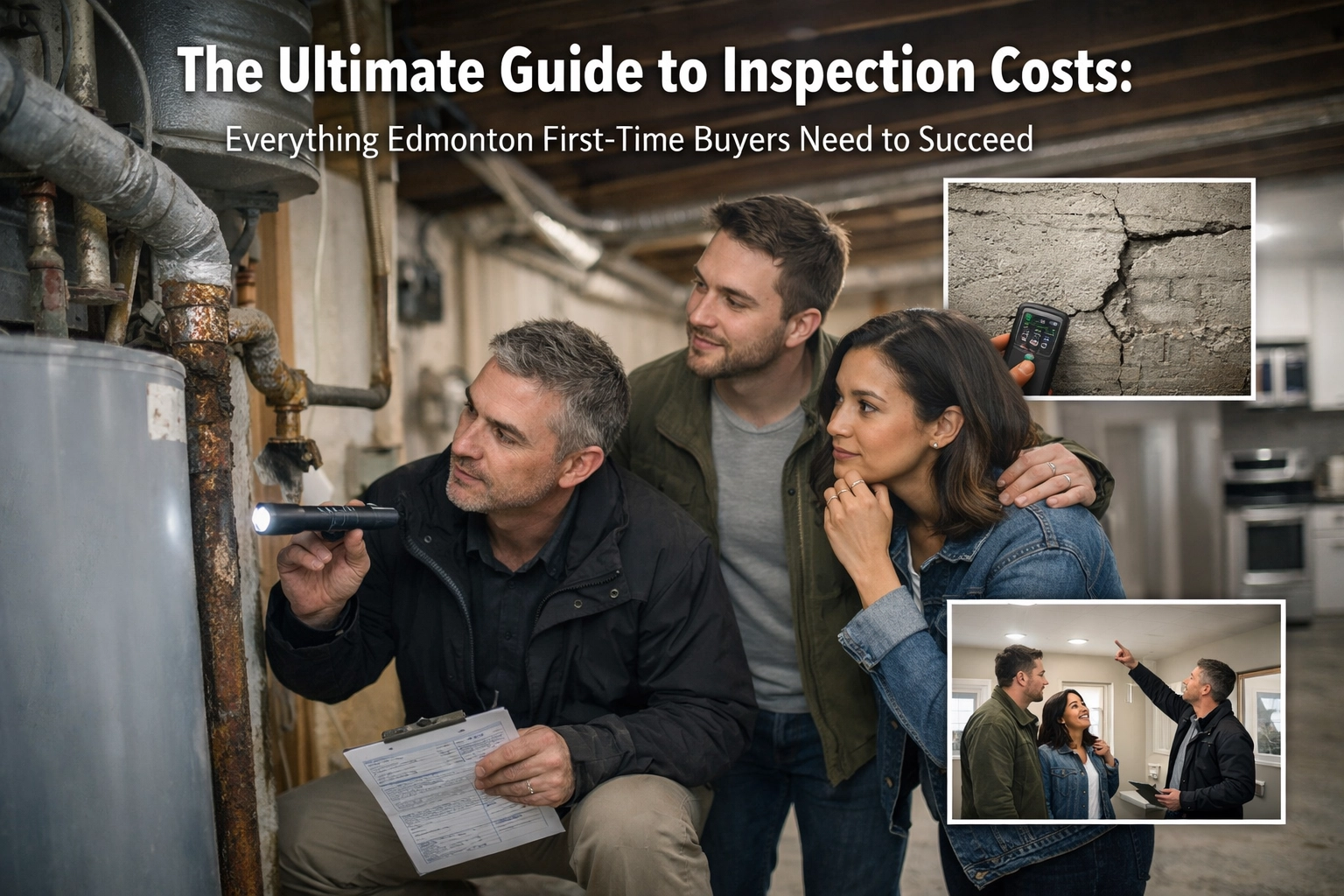
You’ve spent months refreshing REALTOR.ca, touring open houses in Strathcona, and finally, you’ve found it. The Edmonton home that checks all the boxes. But before you sign that life-changing stack of paperwork, there’s one hurdle left: the home inspection.
If you’re a first-time buyer, the "inspection" phase can feel like a black box. How much does it cost? Is a "cheap" inspector a red flag? What exactly are you paying for?
At InspecUs, we’ve spent over 10 years crawling through attics and navigating the unique challenges of Alberta basements. We know that for a first-time buyer, every dollar counts. This guide is designed to pull back the curtain on inspection costs in Edmonton so you can budget with confidence and move into your new home without any nasty (and expensive) surprises.
In the Edmonton market, a professional home inspection typically ranges between $400 and $700 for a standard residential property.
However, "standard" is a broad term. A 900-square-foot condo in Oliver requires a different level of effort than a 3,000-square-foot character home in Glenora or a sprawling acreage out toward Sherwood Park.
Here is a general breakdown of what we see in the industry:
While these are the "base" prices, several factors can nudge that number up or down.
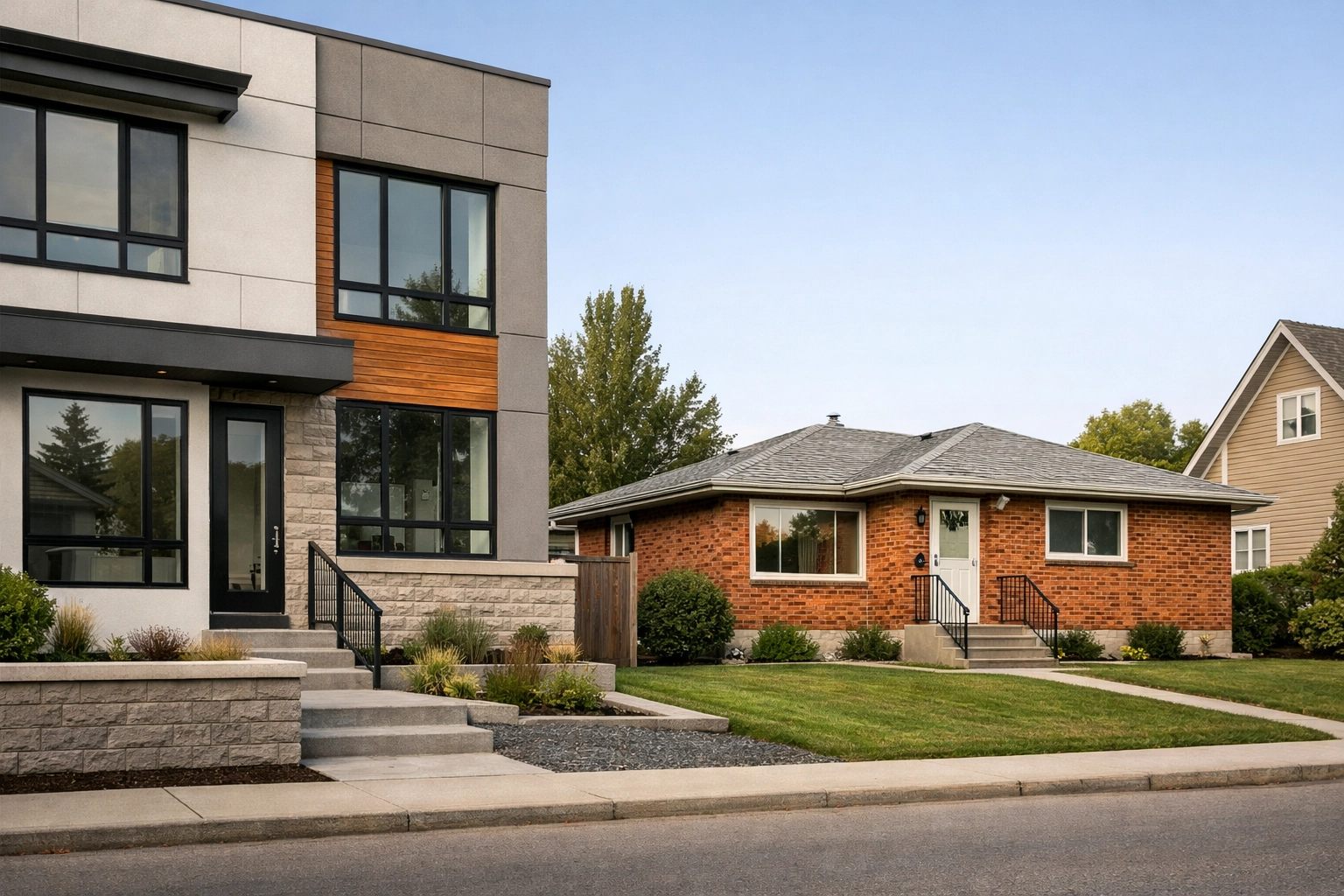
Not all homes are created equal, and neither are all inspections. When you call our team for a quote, we look at a few specific variables that impact the time and expertise required.
It’s simple math: a larger home has more outlets to test, more windows to check, and more roof to inspect. Age also plays a massive role. In Edmonton, homes built in the 1950s often come with "vintage" surprises like ungrounded electrical systems or old lead plumbing. Older homes require a more meticulous eye, which often reflects in the pricing.
Does the property have a detached garage? Is there a secondary suite in the basement? Does it use a complex boiler system or in-floor heating? These features add time to the process. If you’re looking at acreage inspections, you’ll also need to consider septic and well testing, which are highly specialized services.
Edmonton’s extreme freeze-thaw cycles are brutal on foundations and building envelopes. We pay special attention to how a home handles our -30°C winters. Checking for proper insulation and potential ice damming issues is a standard part of our pre-purchase home inspections.
We get it. Buying a home is expensive. You’re paying for land transfer, lawyers, and moving trucks. It’s tempting to go with the guy offering a $200 "express" inspection.
Here’s the thing: you get what you pay for.
A cut-rate inspector might spend 45 minutes on-site and hand you a two-page checklist. At InspecUs, our certified home inspections take anywhere from 2 to 4 hours. We are InterNACHI certified, which means we adhere to the highest international standards of practice and continuing education.
"I’ve seen buyers save $200 on an inspection only to move in and discover a $10,000 foundation issue that was missed because the inspector didn't use thermal imaging or take the time to move a few boxes," says Banti K Shaw, from our Marketing and strategy team. "A good inspection isn't a cost; it's an insurance policy against future debt."
Sometimes the base inspection isn't enough to give you the full picture. Depending on the age and location of the home, we often recommend "add-on" services.
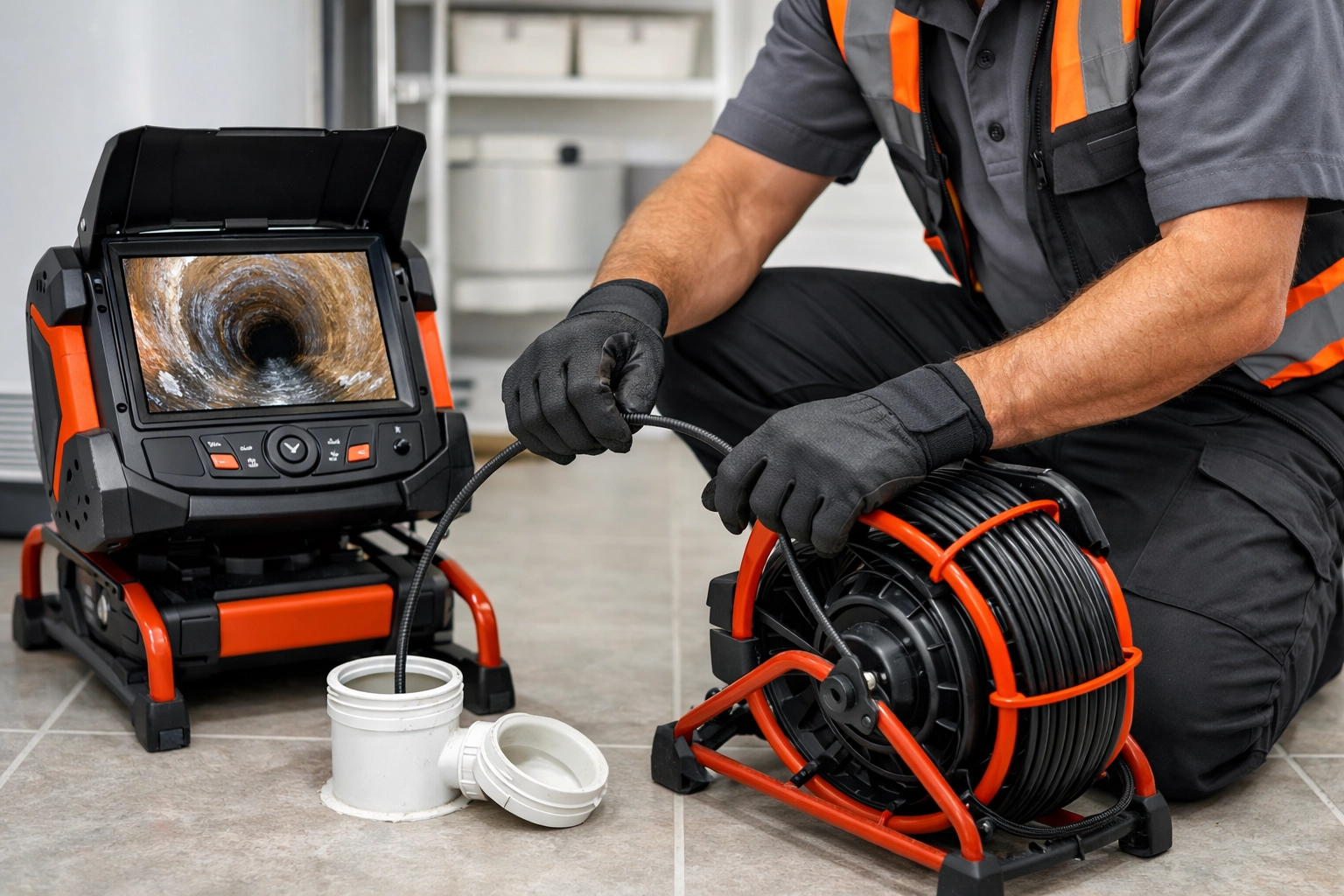
If you are buying an older home in a mature Edmonton neighborhood, this is non-negotiable. Tree roots love to find their way into old clay pipes, causing massive backups. A sewer scope inspection uses a camera to look directly into the line. Spending $300 now can save you a $15,000 yard excavation later.
We use thermal imaging and moisture detection to see what the naked eye can’t. It can spot missing insulation (a major issue in Alberta) or hidden slow leaks behind drywall. At InspecUs, we believe this tech is vital for a modern inspection.
Sometimes you find the perfect house, but it smells like twenty years of heavy smoking or "pet surprises." While not an inspection service, we offer Ozone treatment to neutralize those odors before you move your furniture in.
When you hire our team, you aren't just paying for someone to walk through a house. You are paying for 10+ years of local expertise. Our inspection covers:
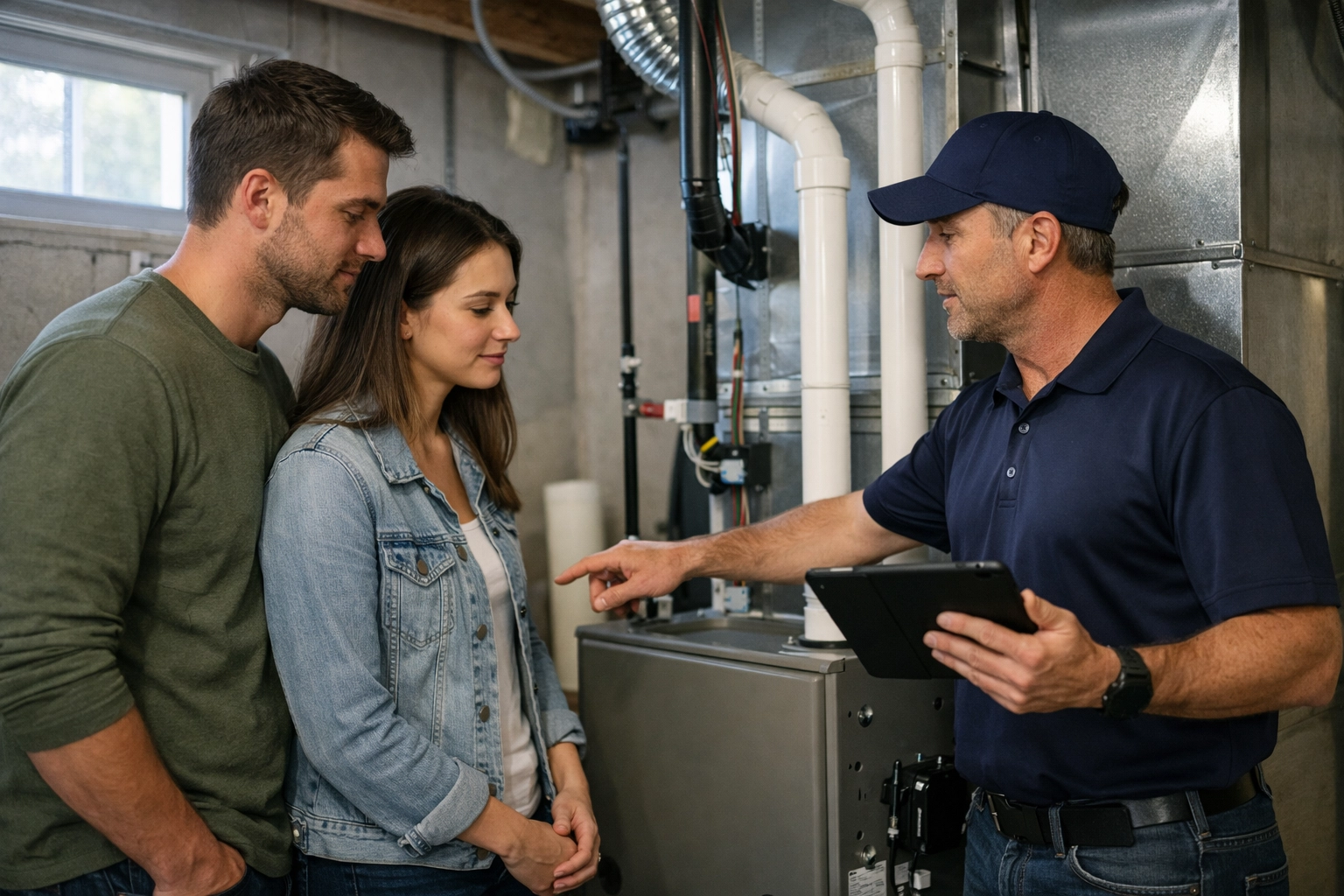
One of the best ways to get value out of your inspection cost is to show up for the final 30 minutes. We love walking first-time buyers through the property. We’ll show you where your main water shut-off is, how to change your furnace filter, and explain the difference between a "fix it this weekend" problem and a "keep an eye on it for five years" situation.
It’s about more than just finding defects; it’s about homeownership education.
Let’s look at a real-world scenario.
You pay $550 for an inspection. We discover that the 15-year-old furnace is cracked and the attic has insufficient ventilation leading to mold growth.
Armed with our report, you go back to the seller. They agree to credit you $6,000 off the purchase price to cover the repairs. Your $550 investment just yielded a 1,000% return.
Even if the house is perfect, that $550 buys you the most valuable thing in real estate: peace of mind. You can sleep soundly knowing your "dream home" isn't going to turn into a nightmare the first time the temperature drops below zero.
The Edmonton market can be fast-paced, but never let the pressure of a "hot market" talk you into skipping an inspection. Whether you’re looking at a condo in the ICE District or a new build in the suburbs, knowing the true condition of the property is your right as a buyer.
At InspecUs, we take pride in being the most thorough, professional, and approachable inspectors in the city. We don't just point out problems; we provide solutions.
Ready to book your inspection or have questions about a specific property?
Check out our full range of services or send us a message today. Let’s make sure your first home is a safe one.
Takeaway Tip: Always ask your inspector if they are InterNACHI certified and if they use thermal imaging. If the answer is "no" to either, keep looking. Your future self will thank you.
We are licensed by the Licensed Professional and certified through InterNACHI

InspecUs Home Inspection is certified in the best practices established by Internachi. Our commitment to safety includes maintaining a 6-foot distance and using personal protective equipment (PPE) during all inspections.

© 2024 InspecUs - All Rights Reserved. | Sitemap | Developed by Integrated Marketing Platform Inc.