 7132 178 St NW,
 Call us:


 Call us780-809-1056
- Mail usinfo@inspecus.ca
- Schedule An Inspection
Call us780-809-1056

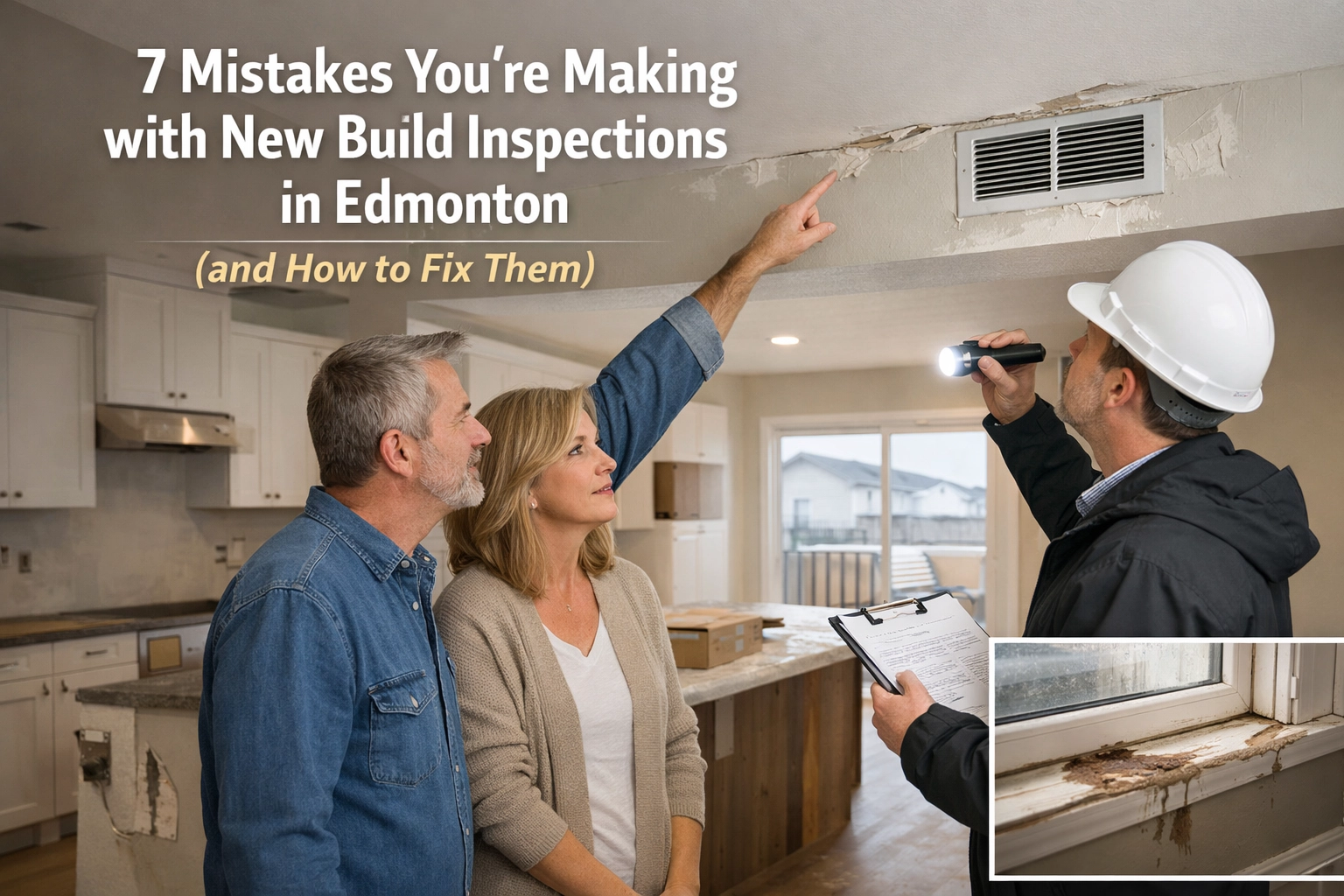
So, you’ve finally signed the papers for that shiny new build in Windermere, Griesbach, or maybe a growing community in Spruce Grove. Everything smells like fresh paint, the granite is pristine, and you’re already picking out furniture. You might be thinking, “It’s a brand-new house. Why would I need an inspection? The city already checked it, right?”
Here’s the thing: we see this line of thinking every single day at InspecUs. And honestly? It’s the biggest gamble you can make with your largest investment.
Buying a new home in Edmonton isn’t just about aesthetics; it’s about ensuring that the complex systems hidden behind those beautiful walls were actually installed correctly. In our 10+ years of experience, our team has found everything from missing attic insulation to backwards-installed furnaces in "perfect" new homes.
If you’re about to close on a new construction, let’s make sure you aren’t falling into these common traps. Here are the 7 mistakes you’re likely making with your new build inspection, and exactly how to fix them.
This is the most common mistake buyers make. There is a prevailing myth that "new" equals "flawless." But consider this: a new home is a product of hundreds of different contractors working under tight deadlines. Mistakes happen.
We’ve inspected thousands of properties across Alberta, and we have yet to find a "perfect" new build. Sometimes it’s a minor trim issue, but other times it’s a structural misalignment or a serious electrical hazard. Skipping a professional pre-purchase home inspection might save you $500 now, but it could cost you $20,000 in repairs three years down the road when the builder is long gone.
How to Fix It: Treat a home inspection as a non-negotiable part of your closing costs. Even if the builder seems top-tier, an independent set of eyes is your best insurance policy.
Many Edmontonians assume that because a municipal inspector visited the site, the home is "certified."
Let’s break it down: A city inspector’s job is to ensure the home meets the minimum safety standards of the Alberta Building Code. They are looking for "pass/fail" scenarios, is the house going to fall down? Is it a fire hazard? They are often on-site for a very short time and are not looking for quality of workmanship, functional defects, or longevity issues.
How to Fix It: Hire a certified home inspector who works for you, not the city or the builder. We spend hours on-site, checking the details that code inspectors often overlook, like window seals, appliance functionality, and proper grading.
Most people wait until the house is finished to call us. While a final inspection is crucial, you’re missing a massive opportunity if you don’t inspect the home before the drywall goes up.
Once the walls are closed, you can no longer see the framing, the rough-in plumbing, the electrical spans, or the HVAC ducting. This is the stage where we catch "hidden" problems like notched studs that weaken the structure or improperly secured wiring.
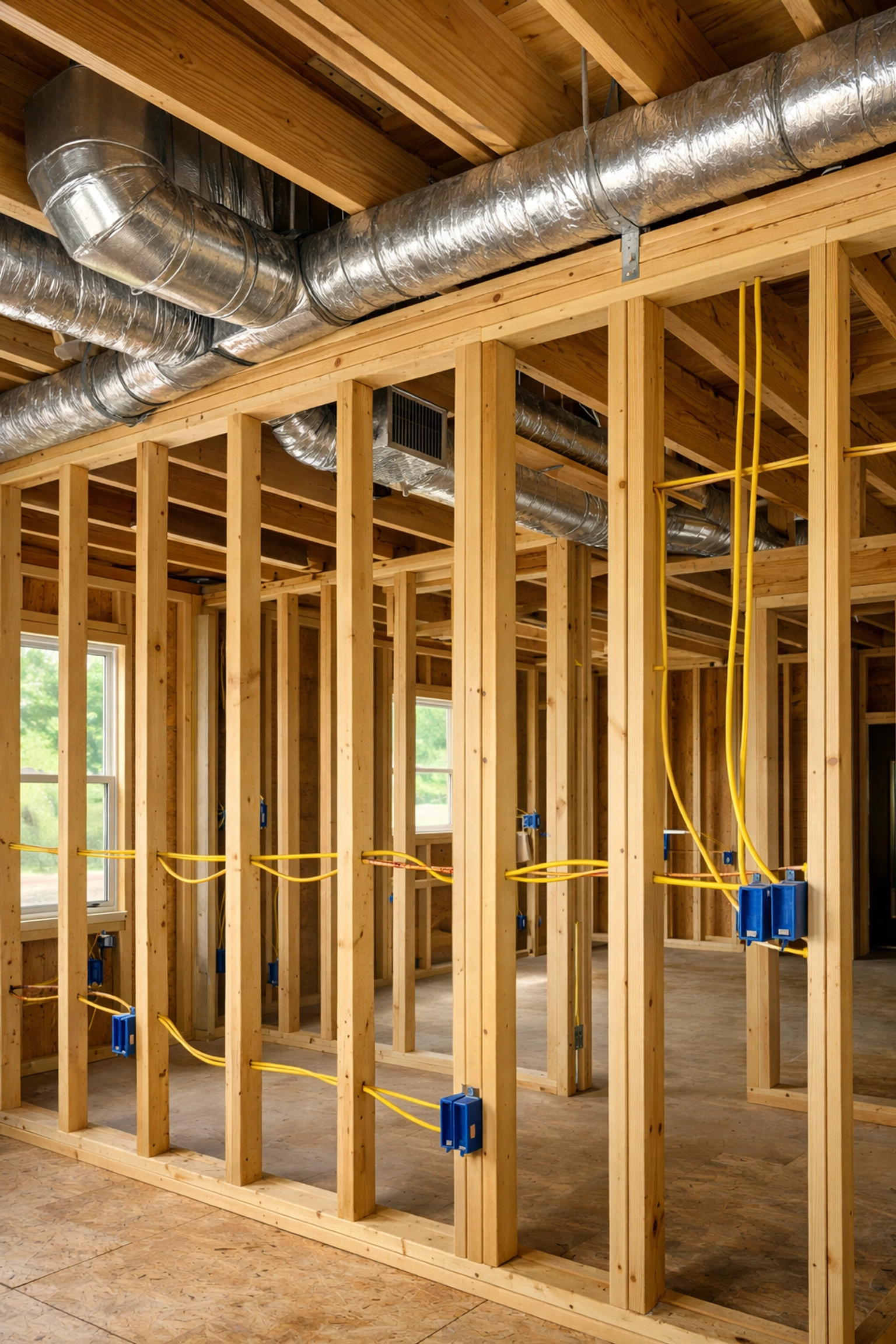
How to Fix It: If your home is still under construction, schedule a pre-drywall inspection. It’s the only time we can verify that the "bones" of your house are as strong as the builder claims.
The Alberta New Home Warranty Program is a great safety net, but it shouldn't be your first line of defense. Filing a warranty claim can be a long, bureaucratic headache. Builders may argue that a defect is "within acceptable tolerances" or caused by "homeowner maintenance."
As our team often says, "It is much easier to get a builder to fix a leak before you move in than it is to get them to come back and rip out your finished basement two years later."
How to Fix It: Use your inspection report as a "punch list." Present the findings to the builder before you take possession. This puts the ball in their court to fix issues while their crews are still on-site.
Edmonton’s climate is brutal on houses. We deal with extreme freeze-thaw cycles that can wreak havoc on foundations and grading. A common mistake we see in new builds is improper drainage. If the soil isn't sloped correctly away from your foundation, the spring melt will send water straight into your new basement.
Another local issue is "attic rain." This happens when warm, moist air escapes into the attic because of poor sealing or insufficient insulation, freezes, and then melts all at once during a chinook or spring thaw.
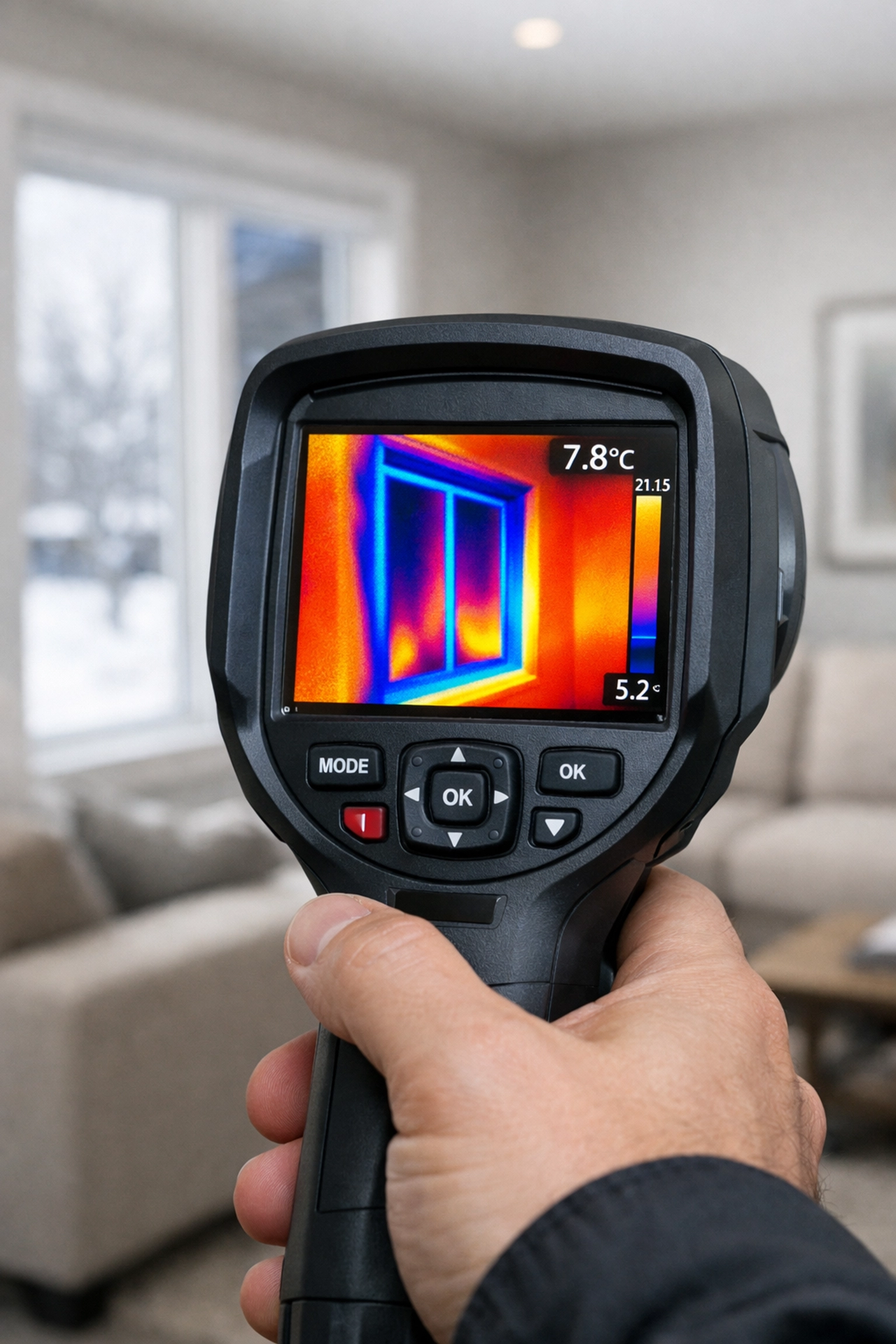
How to Fix It: Ensure your inspector understands local conditions. At InspecUs, we specifically look for proper grading and use thermal imaging and moisture detection to find those hidden insulation gaps that lead to heat loss in our -30°C winters.
Your inspection report will be detailed (especially with our same-day digital reports), but nothing beats being there in person. We’ve found that buyers who don’t attend the walkthrough miss out on the "homeowner education" aspect of our service.
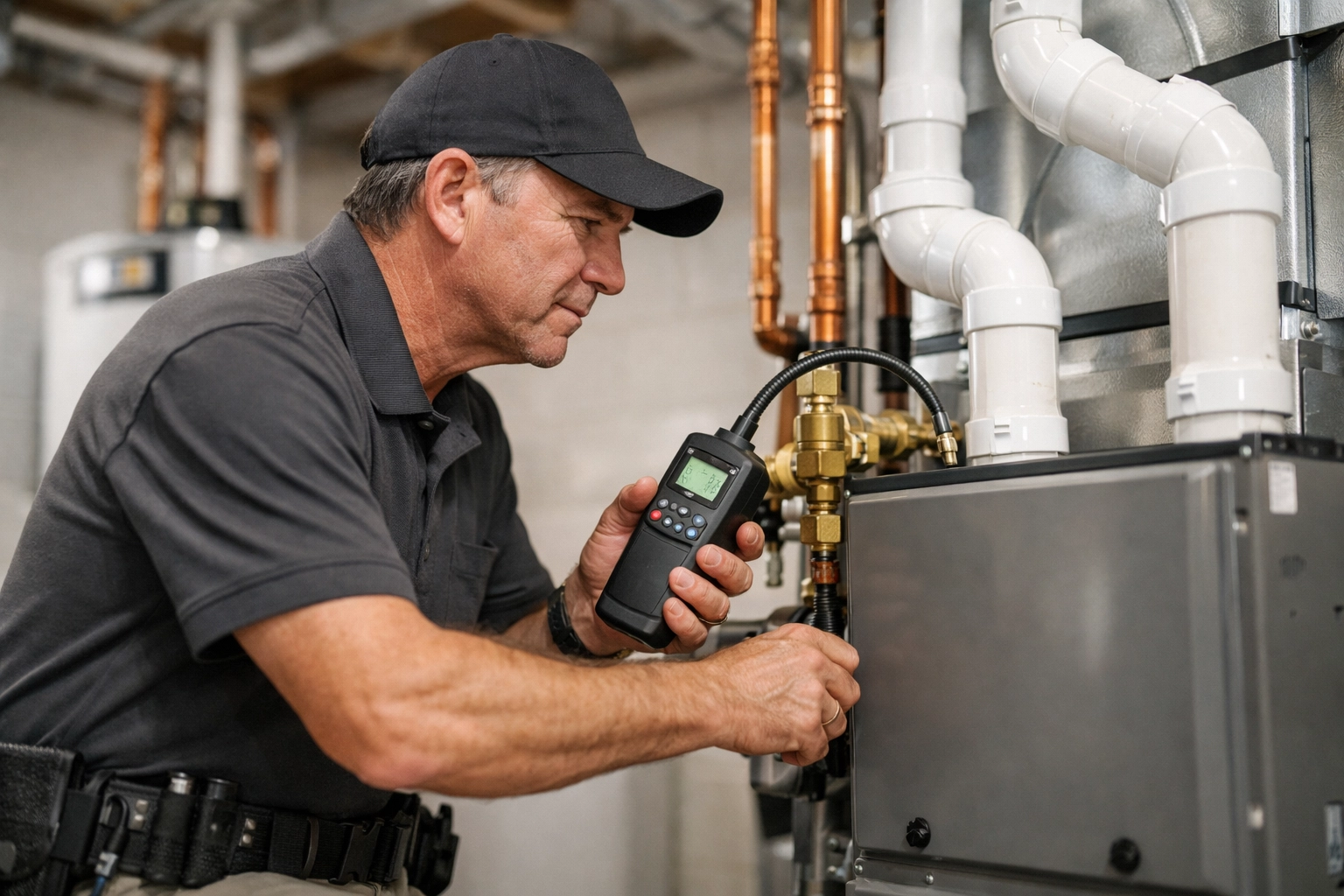
During the walkthrough, we don't just point out what's wrong; we show you how your home works. We show you where the main water shut-off is, how to change your furnace filters, and how to maintain your HRV (Heat Recovery Ventilator) system: which is vital for air quality in modern, airtight homes.
How to Fix It: Clear your schedule for the last hour of the inspection. Walk through the property with us. Ask questions. We’re there to provide clarity, not just a list of defects.
We get it: buying a home is expensive. You’re looking for ways to save a few bucks. But hiring the "cheapest" inspector often means hiring someone with less experience, fewer tools, or no professional certifications.
In the inspection world, you truly get what you pay for. A "discount" inspector might miss a major foundation crack or a slow leak behind a shower wall because they didn't use thermal imaging or don't have the 10+ years of experience required to spot the subtle signs of trouble.
How to Fix It: Look for credentials. Our team is InterNACHI certified, which means we adhere to the highest international standards in the industry. Check our about us page to see the level of expertise we bring to every job.
Buying a new build should be an exciting milestone, not a source of future stress. By avoiding these seven mistakes, you’re taking control of the process. You’re moving from a position of "hoping everything is okay" to "knowing everything is right."
At InspecUs, we’ve dedicated over a decade to protecting Edmonton homeowners. We know the local builders, we know the local soil, and we know exactly where the shortcuts are usually taken. Our goal isn't just to find problems: it's to give you the peace of mind that your new home is the safe, high-quality sanctuary you paid for.
Even if you missed the chance to inspect before you moved in, you have one more "fix it" opportunity. Most builder warranties have a major milestone at the one-year mark. We highly recommend an "11-Month Warranty Inspection." We’ll come in, see how the house has settled over its first year of Edmonton seasons, and give you a report to hand to your builder before your labor warranty expires.
Don't let "new" be a blind spot. Whether you're in the middle of a build or nearing your possession date, our team is ready to help.
Contact InspecUs today to book your new build inspection. Let’s make sure your "forever home" is built to last.
Want to learn more about what we look for? Check out our Edmonton home inspection insights for more tips on property maintenance and what to watch for in the Alberta market.
We are licensed by the Licensed Professional and certified through InterNACHI

InspecUs Home Inspection is certified in the best practices established by Internachi. Our commitment to safety includes maintaining a 6-foot distance and using personal protective equipment (PPE) during all inspections.

© 2024 InspecUs - All Rights Reserved. | Sitemap | Developed by Integrated Marketing Platform Inc.