 7132 178 St NW,
 Call us:

 Call us780-809-1056
- Mail usinfo@inspecus.ca
- Schedule An Inspection
Call us780-809-1056

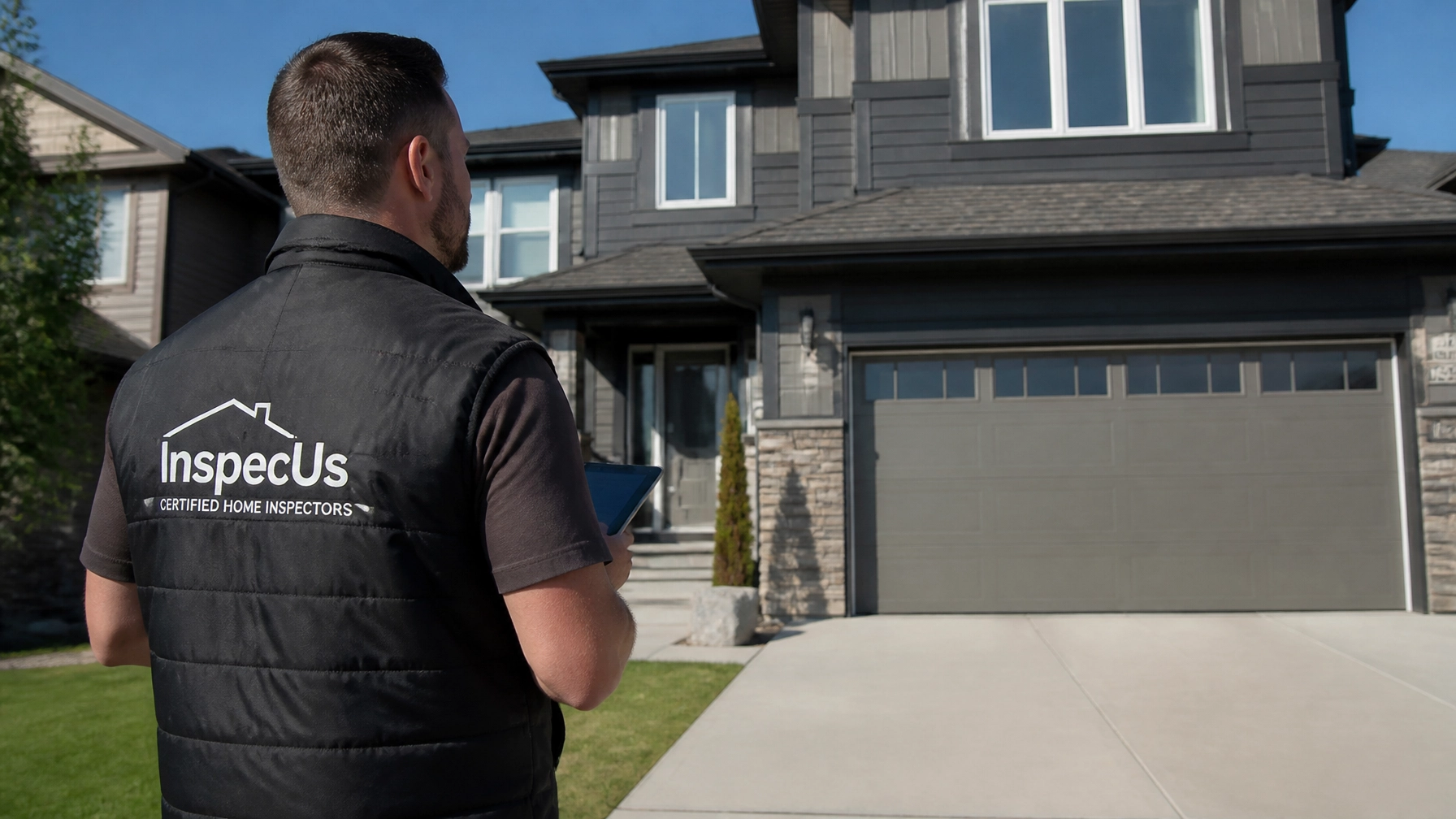
Buying or selling a home in Edmonton is a major life event. Whether you’re looking at a brand-new build in Griesbach or a charming mid-century bungalow in Glenora, the stakes are high. You want to know exactly what you’re getting into before the ink dries on that contract.
Here’s the thing: most people know they need a home inspection, but they aren't always sure what to ask when the inspector shows up. Over the last 10+ years, our team at InspecUs has performed thousands of inspections across Alberta. We’ve seen it all, from minor grading issues to serious structural failures.
What this means for you is that we’ve heard every question in the book. To help you navigate your next property purchase with confidence, we’ve rounded up the seven most common questions we get from Edmonton homebuyers and sellers, answered by our experts.
This should always be your first question. In Alberta, home inspectors must be licensed by the provincial government. But a license is just the baseline. You want to know how much time they’ve spent "in the trenches."
At InspecUs, we bring over 10 years of experience to every job. Our background isn't just in "looking at houses", it’s rooted in the construction industry. This gives us a unique perspective on how homes are built and where they are likely to fail. We are also InterNACHI certified, meaning we adhere to the highest international standards for property inspection. When you hire us, you aren’t just getting a checklist; you’re getting a decade of local expertise in the Edmonton freeze-thaw climate.
A common misconception is that a home inspection is an exhaustive "pass/fail" test. It’s actually a non-invasive, visual examination of the home's current condition.
Our comprehensive inspection services cover over 100+ items per report, including:
Pro Tip: While we check the visible parts of the foundation, we can’t see through finished basement walls. That’s why we use specialized tools like thermal imaging to look for hidden secrets.
In Edmonton’s extreme climate, this isn't just a "bonus" feature, it’s a necessity. We include thermal imaging and moisture detection with every single inspection.

Thermal imaging allows our team to see "invisible" problems like heat loss due to missing insulation or hidden moisture behind drywall that could lead to mold. If a pipe is slowly leaking or the attic isn't properly sealed against our -30°C winters, the thermal camera will find it. This provides an unbiased, tech-driven evaluation that a simple visual check just can't match.
Let’s break it down: Yes, absolutely. In fact, we encourage it.
While we are perfectly capable of doing our job alone, the inspection is a fantastic educational opportunity, especially for first-time homebuyers. By walking through the property with us, you can see the issues firsthand. We’ll show you where the main water shut-off is, explain how your furnace works, and point out which items are major safety concerns versus simple weekend DIY fixes.

Every region has its quirks. In Alberta, our "freeze-thaw" cycle is brutal on properties. Here are three things we regularly find:
In a competitive real estate market like Saint Albert or Sherwood Park, you don’t have days to wait for information. You need to make a decision now.
That’s why we guarantee same-day detailed reports. Our reports aren't just walls of text; they include 200+ high-resolution images and clear findings. We highlight defects in a way that’s easy to understand, distinguishing between "major repairs" and "maintenance items."

Our job doesn't end when we send the email. We provide ongoing support for all our clients. If you’re reviewing the report with your real estate agent and need clarification on a specific finding: like a sewer scope result or a foundation crack: you can call us. We’re here to ensure you feel confident and empowered in your property decision.
A home inspection is more than just a hurdle in a real estate transaction; it’s your best defense against unexpected costs and safety hazards. By asking these seven questions, you ensure that you are hiring a team that is not only certified but also deeply experienced in the local Edmonton market.
Ready to book your inspection?
Whether it’s a residential home, a condo, or a commercial property, our team is ready to help.
Contact InspecUs today for a detailed, same-day report you can trust.
We are licensed by the Licensed Professional and certified through InterNACHI

InspecUs Home Inspection is certified in the best practices established by Internachi. Our commitment to safety includes maintaining a 6-foot distance and using personal protective equipment (PPE) during all inspections.

© 2024 InspecUs - All Rights Reserved. | Sitemap | Developed by Integrated Marketing Platform Inc.