 7132 178 St NW,
 Call us:


 Call us780-809-1056
- Mail usinfo@inspecus.ca
- Schedule An Inspection
Call us780-809-1056

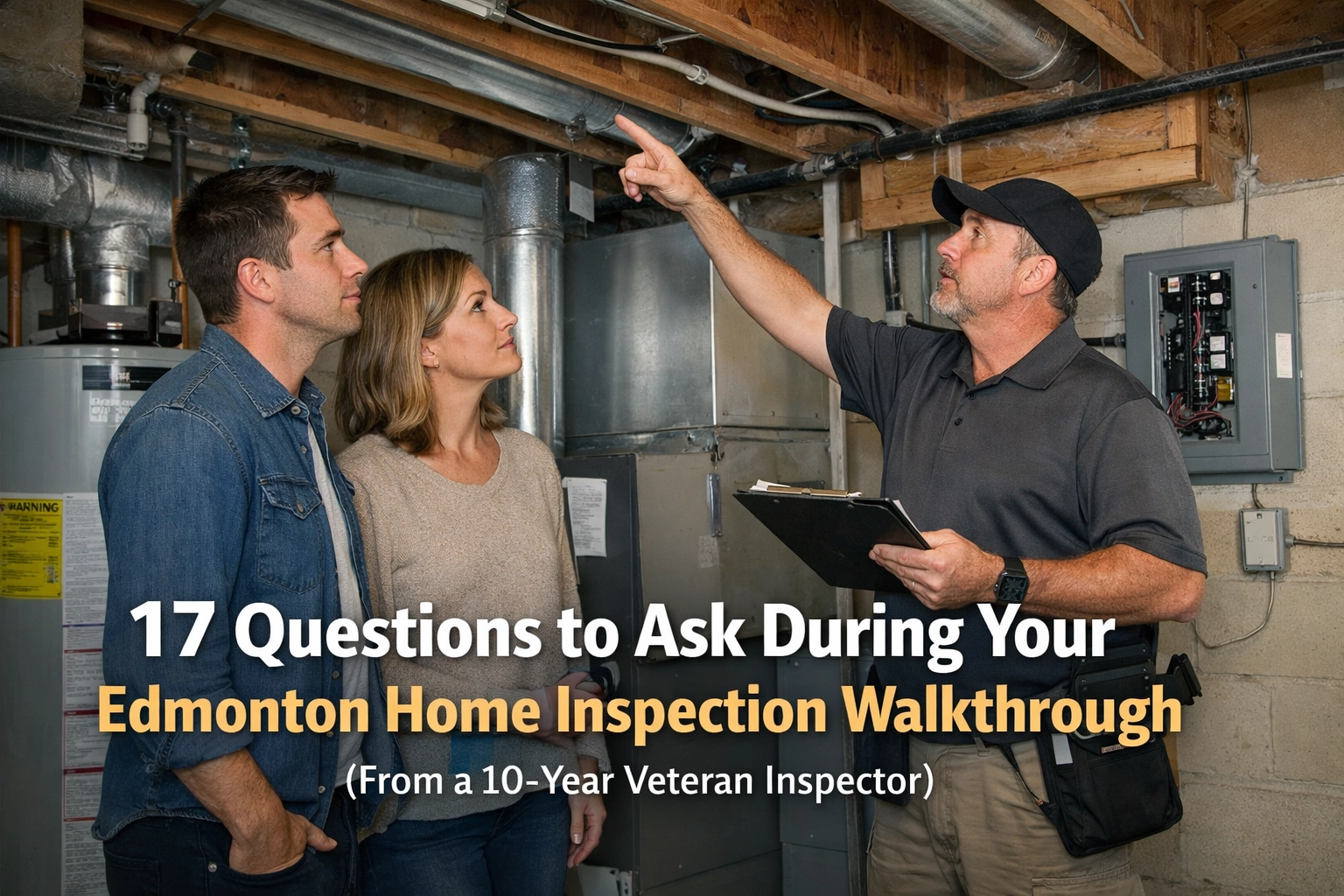
Here's the thing most buyers don't realize: your home inspection walkthrough isn't just about following your inspector around and nodding. It's your best opportunity to understand exactly what you're buying: and what might cost you down the road.
After more than a decade inspecting Edmonton properties, we've seen buyers leave thousands on the table simply because they didn't ask the right questions. Some felt awkward. Others didn't know what to ask. Many just assumed we'd tell them everything important without prompting.
But here's what we tell every client: your questions help us dig deeper into the areas that matter most to you.
Let's break down the 17 questions that'll give you the clearest picture of your potential home: and why each one matters in Edmonton's unique climate.
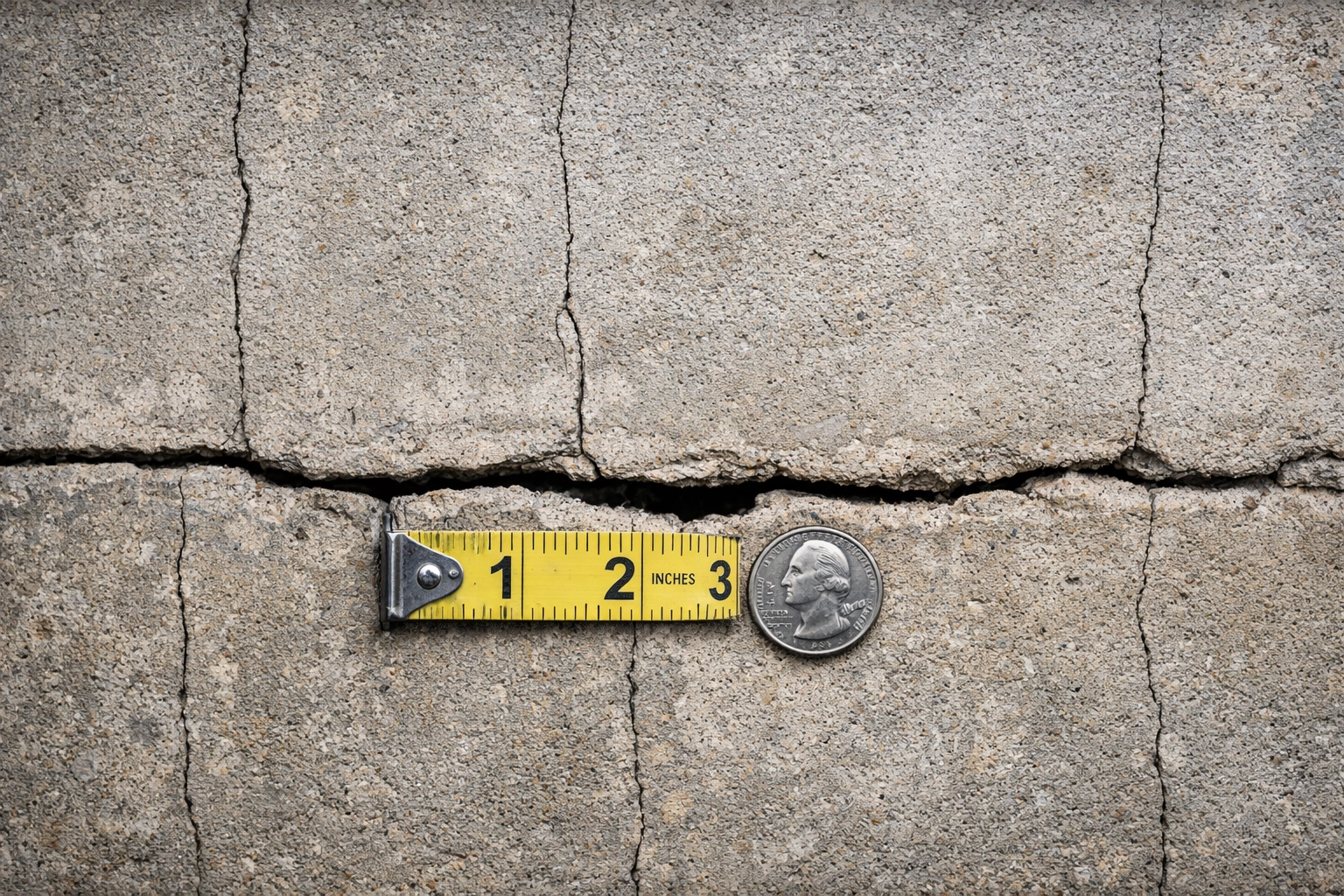
Not all cracks are created equal. Vertical hairline cracks? Usually just settling. Horizontal cracks, stair-stepping in brick, or cracks wider than a quarter-inch? Those need serious attention.
In Edmonton's freeze-thaw climate, we see foundation movement regularly. The key is understanding whether it's active or historical. We'll tell you which cracks to monitor and which ones need immediate repair.
Poor grading causes more basement problems than almost anything else in Alberta homes. If water pools against your foundation during spring melt or summer storms, you're looking at potential moisture infiltration.
We check for proper slope away from the house (minimum 6 inches over 10 feet). If the grading's wrong, budget for landscaping work: it's way cheaper than fixing water damage later.
Previous repairs aren't automatically a red flag, but you need to know their history. Was the underlying cause addressed, or did someone just patch the symptom?
Our team looks for evidence of foundation work: patched cracks, new parging, underpinning marks. Then we evaluate whether the repair was done right and if the problem's likely to recur.
Roofing companies love to say "20-year shingles," but Edmonton weather is brutal. Our cold winters and UV exposure mean you'll often get 15-18 years if you're lucky.
We'll give you an honest assessment based on current condition: not just age. Missing granules? Curling edges? Algae growth? These affect longevity more than the year it was installed. This helps you budget for replacement and negotiate if needed.
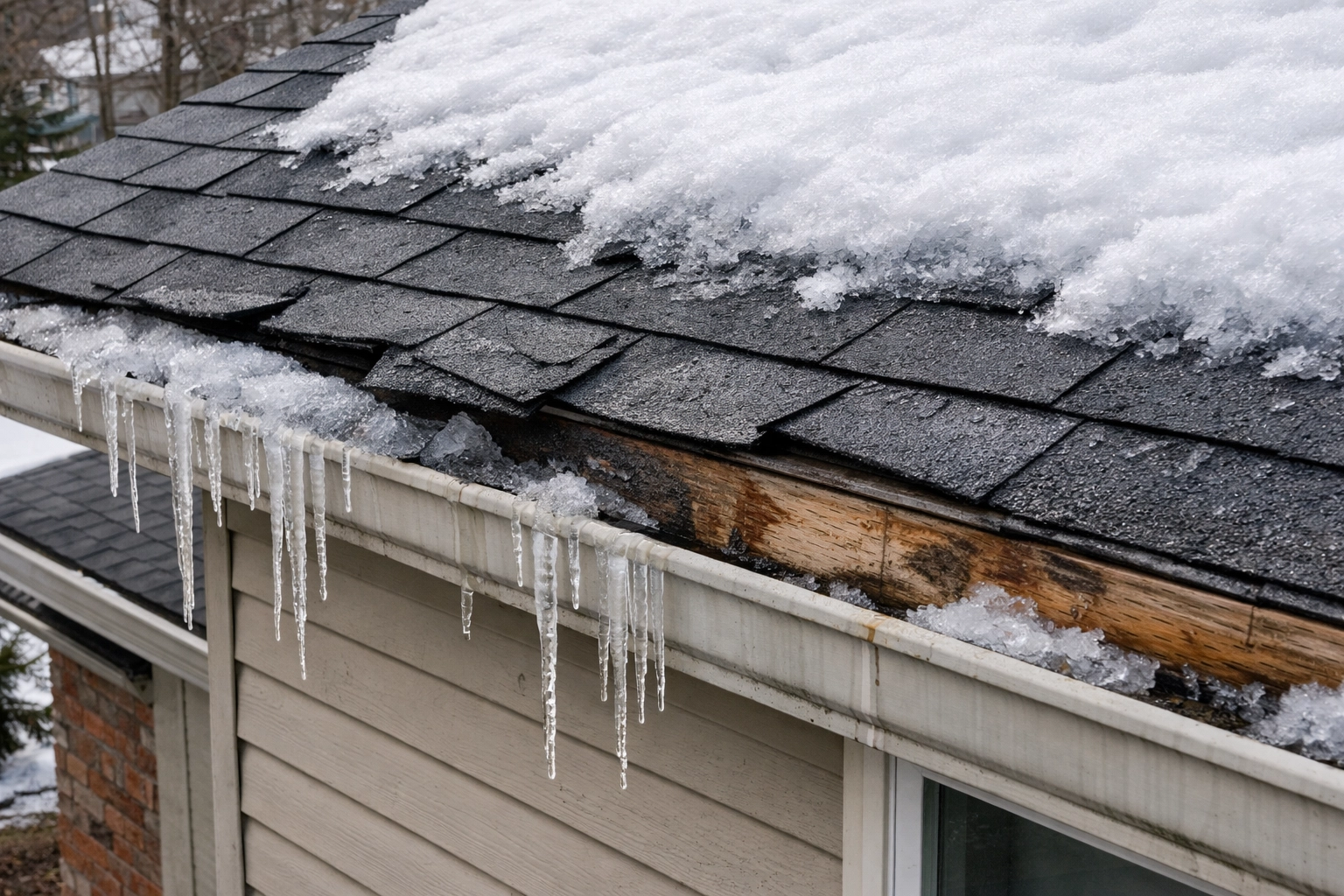
Ice dams are a massive issue in Edmonton. They happen when heat escapes through your roof, melts snow, which then refreezes at the eaves and backs water under your shingles.
We check your attic ventilation, insulation, and gutter system to assess ice dam risk. Poor attic ventilation combined with inadequate insulation? You're almost guaranteed problems come winter.
Vinyl siding, stucco, brick, wood: each has specific vulnerabilities in our climate. We look for cracks, gaps, water damage, and proper installation around windows and doors.
What's key: even small gaps let moisture in, which leads to rot, mold, and structural damage over time. Ask us to point out any areas needing attention and whether it's cosmetic or structural.
Your furnace is working overtime in Edmonton's winters. A 15-year-old furnace that's been serviced annually might outlast a 10-year-old unit that's been neglected.
We test furnace operation, check for proper venting, look for rust or heat exchanger cracks, and review maintenance records if available. A failing furnace means $3,000-$6,000+ for replacement: negotiate accordingly.
Many older Edmonton homes still have 100-amp service with outdated panels. If you're planning to add EV charging, central air, or a hot tub, you'll likely need a 200-amp upgrade.
We evaluate your electrical panel capacity, check for safety issues (aluminum wiring, double-taps, corrosion), and let you know if an upgrade should be in your near-term budget.
Low water pressure often indicates galvanized pipes that are corroding from the inside. Slow drains might mean partial blockages or improper venting.
We run multiple fixtures simultaneously to test pressure and drainage. Sewer scope inspections can reveal hidden issues in your main line before you own them.
Past water problems often repeat. We look for water stains on ceilings, warped flooring, fresh paint that might be covering damage, and musty odors.
Our thermal imaging equipment can detect moisture behind walls that's invisible to the naked eye. If we find evidence of previous leaks, we'll help you determine if the source was fixed or if you're inheriting an ongoing problem.
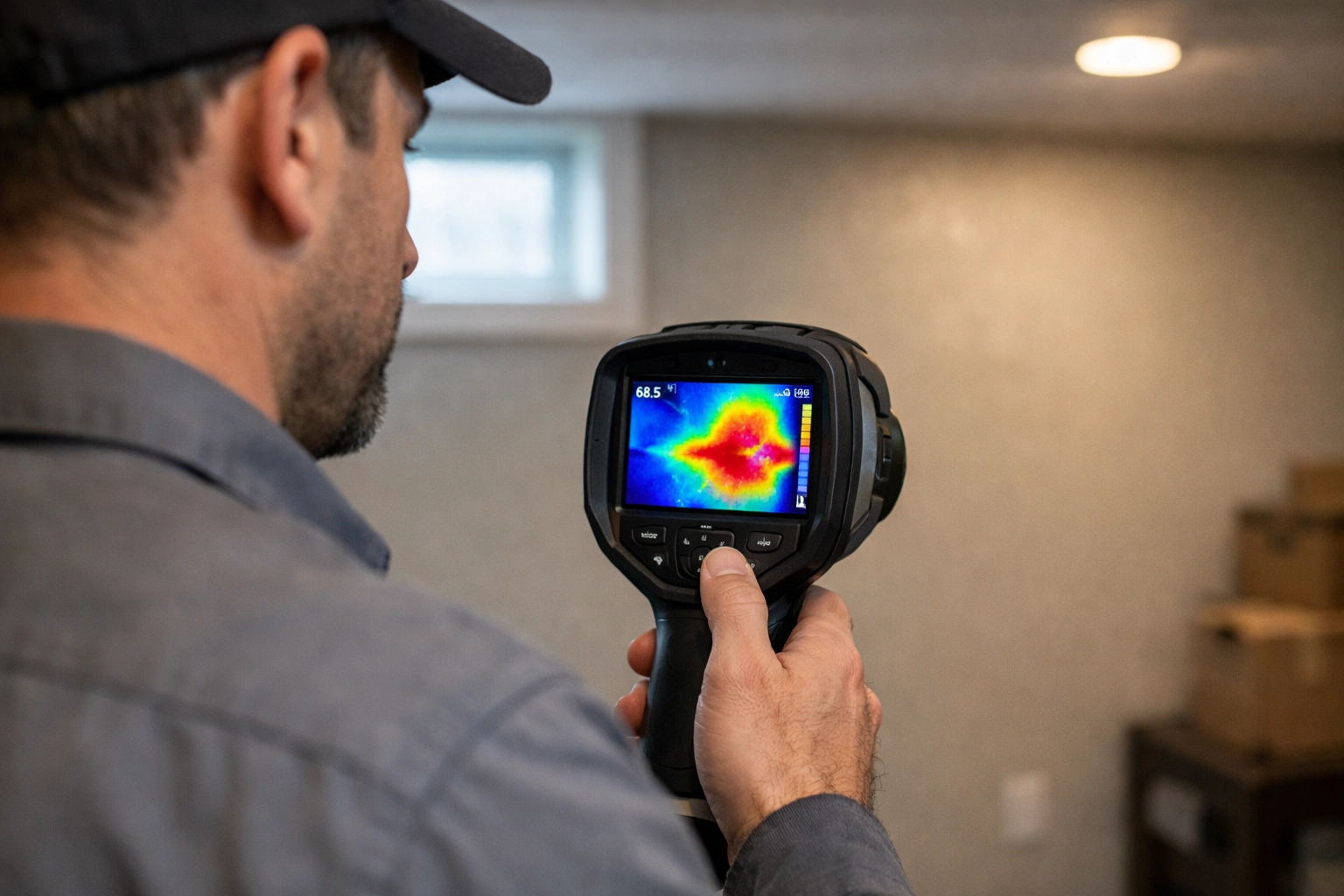
Musty odors mean moisture: period. Could be foundation seepage, condensation, poor ventilation, or previous flooding that wasn't properly remediated.
We investigate the source with moisture meters and visual inspection. Sometimes it's a simple ventilation fix. Other times it indicates serious water infiltration requiring foundation work or interior drainage systems.
Small surface mold on bathroom caulking? Not a huge deal. Hidden mold behind walls or in HVAC systems? That's a different story.
We identify visible mold and conditions that promote growth (poor ventilation, moisture issues). If we find concerning mold, we often recommend testing to determine type and extent before you finalize your purchase.
Failed window seals create condensation between panes: that foggy look that never clears. In Edmonton's cold climate, this reduces insulation value and drives up heating costs.
We check every window for seal integrity, operation, and proper installation. Replacing windows isn't cheap ($400-$1,000+ per window), so knowing their condition helps with negotiation.
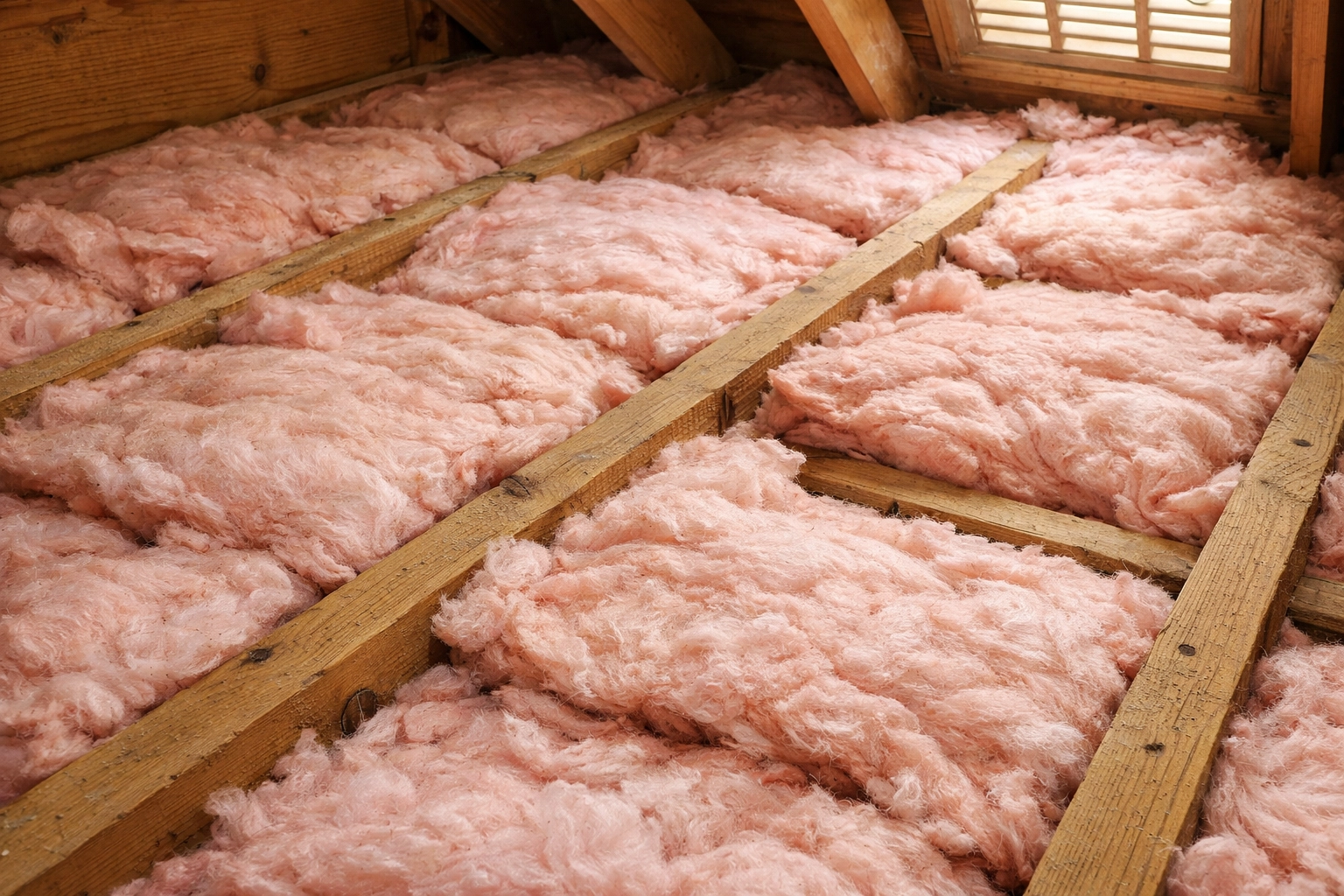
Edmonton requires R-50 to R-60 attic insulation for optimal energy efficiency. Many older homes have R-30 or less.
We measure insulation depth and check for even coverage, proper ventilation, and signs of moisture. Upgrading insulation pays for itself in reduced heating bills: usually within 5-7 years.
Air leaks waste more energy than poor insulation. Common problem areas include rim joists, electrical penetrations, recessed lights, and attic hatches.
We use thermal imaging to identify cold spots and air infiltration paths. Sealing these before adding insulation maximizes your energy savings.
This is where our experience really helps. We'll prioritize repairs by urgency and impact: safety issues first, then items that prevent further damage, then efficiency upgrades.
Some things can wait. Others shouldn't. We'll give you a realistic timeline and rough cost estimates so you can plan accordingly.
At InspecUs, we provide same-day digital reports with photos, descriptions, and recommendations for every issue found. No waiting days for crucial information.
Your report should be clear enough to share with contractors for quotes, detailed enough to support negotiations, and organized so you can easily reference it later. If your inspector can't deliver that, it's worth asking why.
The walkthrough isn't just about finding problems: it's about understanding your investment. Good questions lead to better answers, which lead to smarter decisions.
We're InterNACHI-certified inspectors with over a decade of Edmonton experience. We've inspected thousands of properties and seen every type of issue this climate can throw at a home. When you ask these questions, you're tapping into that expertise.
Buying a home is the biggest investment most people make. Don't go into it blind.
Schedule your inspection with our team, come prepared with these questions, and let's make sure you know exactly what you're getting. We'll walk through every major system, explain what we find in plain English, and give you the information you need to negotiate confidently.
Because the right questions now prevent expensive surprises later.
We are licensed by the Licensed Professional and certified through InterNACHI

InspecUs Home Inspection is certified in the best practices established by Internachi. Our commitment to safety includes maintaining a 6-foot distance and using personal protective equipment (PPE) during all inspections.

© 2024 InspecUs - All Rights Reserved. | Sitemap | Developed by Integrated Marketing Platform Inc.